Bitcoin Drops Below $64,000 as US and Israel Weigh Land Blockade on Iran
Key Takeaways
- •Bitcoin declined more than 1% to fall below $64,000 on Friday amid a sudden spike in oil prices.
- •The United States and Israel are discussing a potential land blockade of Iran to escalate economic pressure beyond existing maritime sanctions and financial restrictions.
- •Iran is one of OPEC's largest oil producers, and tighter enforcement against its exports has periodically constrained global oil supply.
- •Bitcoin has historically shown sensitivity to geopolitical risk factors, having sold off and then recovered during earlier Middle East tensions this year.
- •Rising oil prices may impact inflation expectations and the interest-rate outlook, which has been a primary driver of cryptocurrency market sentiment during the Federal Reserve's tightening cycle.
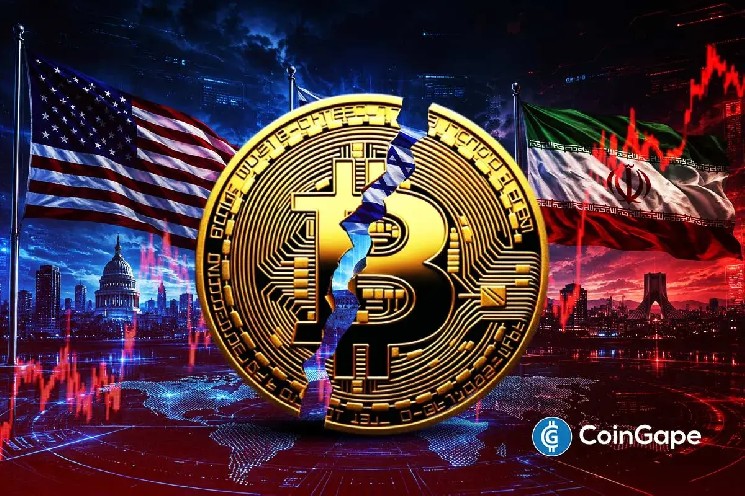
Bitcoin slipped below $64,000 on Friday, declining more than 1% within a few hours amid a sudden spike in oil prices. The selling pressure emerged as the United States and Israel began discussing a potential land blockade of Iran aimed at intensifying economic pressure following recent escalations in the ongoing US-Iran conflict.
The cryptocurrency's decline coincided with broader market unease over geopolitical developments. Bitcoin, the world's largest cryptocurrency by market capitalization, has historically shown sensitivity to macroeconomic and geopolitical risk factors, including fluctuations in commodity markets. During earlier episodes of Middle East tension this year, including retaliatory strikes between Israel and Iran, Bitcoin briefly sold off before recovering as de-escalation signals emerged.
Oil prices surged as reports of the proposed blockade circulated, with energy markets reacting to the prospect of intensified restrictions on Iran. Iran is one of the largest oil producers in the Organization of the Petroleum Exporting Countries (OPEC), and tighter enforcement against its exports has periodically constrained global supply. A land blockade would represent a significant escalation in efforts to pressure Iran economically, beyond the maritime sanctions and financial restrictions already in place.
The discussions between the US and Israel come amid heightened tensions in the Middle East. The potential blockade is being considered as a means to further constrain Iran's economic activity in response to recent developments in the conflict.
Traders and analysts have been monitoring the intersection of geopolitical events and digital asset markets. Bitcoin, often discussed in the context of its relationship to risk assets, has experienced periods of volatility during times of international tension. Rising oil prices also feed into inflation expectations, which influence the interest-rate outlook that has been a primary driver of crypto market sentiment throughout the Federal Reserve's tightening cycle.
Sources: CryptoNews.net | CoinGape

