Asian Stocks and the Fed Push Bitcoin Below USD 80,000
Key Takeaways
- •Bitcoin dropped from above USD 81,700 to around USD 79,800 during the Asian session, giving back the gains of the previous two days.
- •Samsung Electronics posted record third-quarter operating profit of KRW 107.44 trillion, up 783.1% year-on-year, yet fell short of analyst expectations, dragging down Asian tech stocks.
- •The Federal Open Market Committee held the federal funds rate at 3.75% to 4%, with Lisa Cook and Beth Hammack dissenting in favor of a 0.25 percentage point hike, and ING expects another increase in December.
- •Futures liquidations reached approximately USD 356 million within 24 hours, with just under 58% of the volume hitting long positions, and more than half of the total involved cryptocurrencies other than Bitcoin and Ether.
- •The FOMC decision on December 9, 2026, with new rate projections, is the next key marker, while Samsung's outlook for a worsening chip shortage in 2027 remains a gauge of tech sentiment.
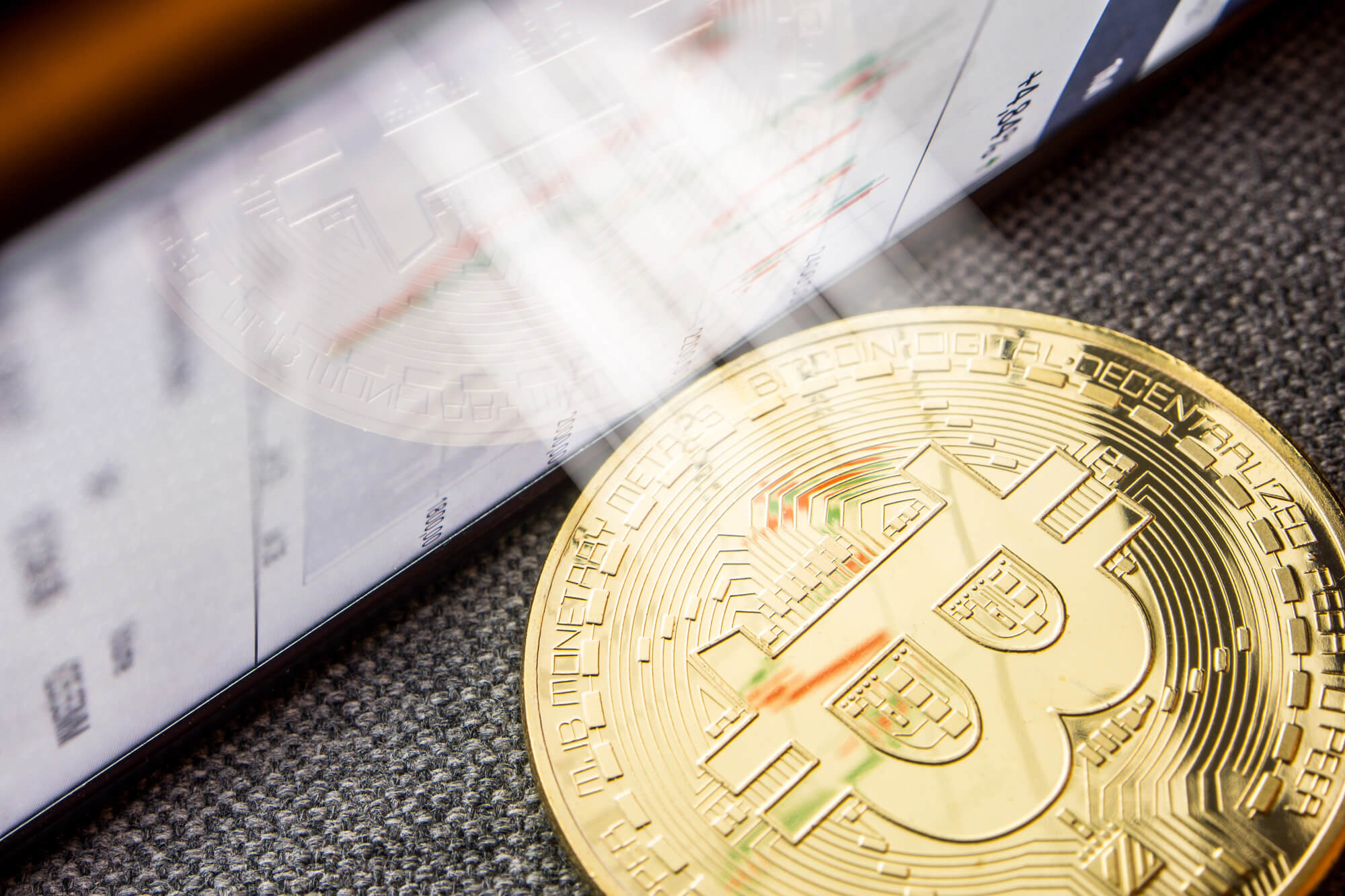
Bitcoin fell below USD 80,000 during the Asian session, giving up the gains of the previous two days. Samsung Electronics' third-quarter results, which set records but still missed elevated expectations, and the US Federal Reserve's decision to hold its key rate steady tipped the balance, followed by futures liquidations of around USD 356 million.
A Market That Never Sleeps
Bitcoin is the oldest and largest cryptocurrency, and unlike stocks, it never stops trading. As a result, its price reacts early to macro signals outside US market hours, for example during the Asian session. Through futures, investors can bet on rising or falling prices with leverage. If the price moves against such a position, the trading venue closes it by force — this forced closure is a liquidation.
Two macro signals set the stage for the sell-off. The Fed had raised its key rate by 0.25 percentage points in September 2026 and paused the day before the sell-off. Samsung, for its part, counts as the pacesetter of the AI supply chain with its HBM memory chips (high-bandwidth memory), and Bitcoin currently correlates with tech stocks.
Over the course of the session, the price fell from above USD 81,700 to around USD 79,800. Ether, XRP and Solana declined as well.
Samsung Delivers Record Profit, but the Market Expected More
Samsung Electronics reported group operating profit of KRW 107.44 trillion for the third quarter, up 783.1% from a year earlier. That puts the prior-year figure at roughly KRW 12 trillion. Revenue rose 126.9% over the same period to KRW 195.25 trillion. According to the company, Samsung is the first global tech company to top KRW 100 trillion in quarterly operating profit.
Almost the entire result came from the semiconductor division, which earned KRW 106.5 trillion in operating profit on KRW 147.1 trillion in revenue. Its margin consequently stood at 72%, and it delivered about 99% of group profit.
Notably, this record still fell just short of expectations. On average, analysts had expected KRW 108.5 trillion in operating profit for the chip division, and the division came in about KRW 2 trillion below that average. Group revenue and operating profit were also slightly below the LSEG consensus of KRW 195.79 trillion and KRW 107.66 trillion, respectively. LSEG is a data provider that aggregates analyst estimates. In addition, the DX device division posted an operating loss, and the stock subsequently fell in Seoul.
At the same time, Samsung plans capital spending of KRW 84.4 trillion for 2026, or about USD 63 billion, and the company also expects the chip shortage to worsen in 2027.
For the crypto market, the reaction to the figures mattered most. Even record results count as a disappointment when expectations run high. That mood spread across Asian markets, and ultimately the pressure reached Bitcoin through its correlation with tech stocks.
The Fed Holds Steady, Two Members Wanted a Hike
The Federal Open Market Committee, which sets US policy rates, left the target range for the federal funds rate at 3.75% to 4%. Ten members voted to hold and two voted against. Lisa Cook and Beth Hammack wanted to raise the rate by another 0.25 percentage points, so the dissent points toward further tightening. The central bank had previously hiked in September; the hold is therefore a pause within a tightening cycle, not a change of course.
In its FOMC statement, the Fed describes strong growth and inflation that remains elevated. The committee said it needs more information to set the course that returns inflation to 2% in a timely manner, and it stated that it will ensure price stability. For this reason, markets read the decision as restrictive. Furthermore, ING expects another hike in December.
This reading has direct consequences for crypto. Higher rates make assets without ongoing income, such as Bitcoin, costlier to hold, because investors forgo safe interest income. Newly issued government bonds, by contrast, yield more the higher the rate level, and this drawback grows if rates keep rising. As a result, the hold brought the market no relief, even though the Fed left its key rate unchanged.
Liquidations Push Bitcoin Below USD 80,000
According to CoinDesk, trading venues forcibly closed futures positions worth USD 356 million within 24 hours. Of that total, USD 205 million came from long positions, meaning bets on rising prices — just under 58% of the volume hit this side. Other reports, however, put the total at up to around USD 374 million, depending on the time window.
The move unfolded in several stages. First, tech stocks in Asia fell on Samsung's results. Then the crypto derivatives market came under pressure. Each further price drop forced trading venues to close leveraged long positions, which added to the selling pressure. Leverage amplifies this effect, because even small price moves eat up the posted collateral. Above all, the losses hit investors who had bet on the recovery continuing. In the end, Bitcoin fell back to where it stood before the two-day rebound.
What gets lost in the coverage is the split across individual markets. Bitcoin futures accounted for only USD 94 million, just over a quarter of the volume, even though Bitcoin and the USD 80,000 mark dominated the headlines. Ether futures came to USD 72 million. In contrast, the remaining USD 190 million or so — more than half the total — went to futures on other cryptocurrencies.
The Fed's December Meeting as the Next Marker
High real yields (returns adjusted for inflation) raise the opportunity cost of crypto and can slow capital inflows into speculative assets. As long as the Fed keeps tightening, the market therefore lacks the tailwind of falling rates. Bitcoin now trades in a more restrictive environment than in 2024 and 2025. The correlation with tech stocks also ties the price to sentiment around AI chips; when tech sentiment drops, as it did after Samsung's results, the hit reaches Bitcoin through this channel.
The next fixed date is the FOMC decision on December 9, 2026, when the Fed will release new projections. They show how members see the future path of rates. If the Fed hikes again in December, it will confirm the restrictive reading of the October decision. Until then, economic data and comments from Fed officials will provide the signals the crypto market responds to. Samsung's outlook for a worsening chip shortage in 2027 also remains a gauge of tech sentiment.
For institutional investors, the episode shows that Bitcoin, as a macro asset, reacts to rate signals around the clock.
Source: Crypto Valley Journal

