Bitcoin Dips Below $79,000 as Fed Chair Warsh Stresses Inflation
Key Takeaways
- •Federal Reserve Chair Kevin Warsh described the 2% PCE inflation target as firm and fixed, saying summer inflation reports beat expectations but the underlying trend had not meaningfully changed.
- •Warsh said a good majority of policymakers favored leaving rates unchanged at the July meeting, while consumer spending, labor markets, and business investment showed little sign of broad stress.
- •Bitcoin fell below $79,000 but stayed inside the rising four-hour channel formed after the August 19 rally, with a bearish RSI divergence indicating that buying momentum has cooled.
- •The two-year US Treasury yield rose to roughly 4.29%, its highest level since July 31, while spot gold declined just over 1% to trade near $4,550 per ounce.
- •Key chart levels for Bitcoin are the rising 50-period moving average near $77,800 on the downside and the $80,000 to $81,500 area on the upside.
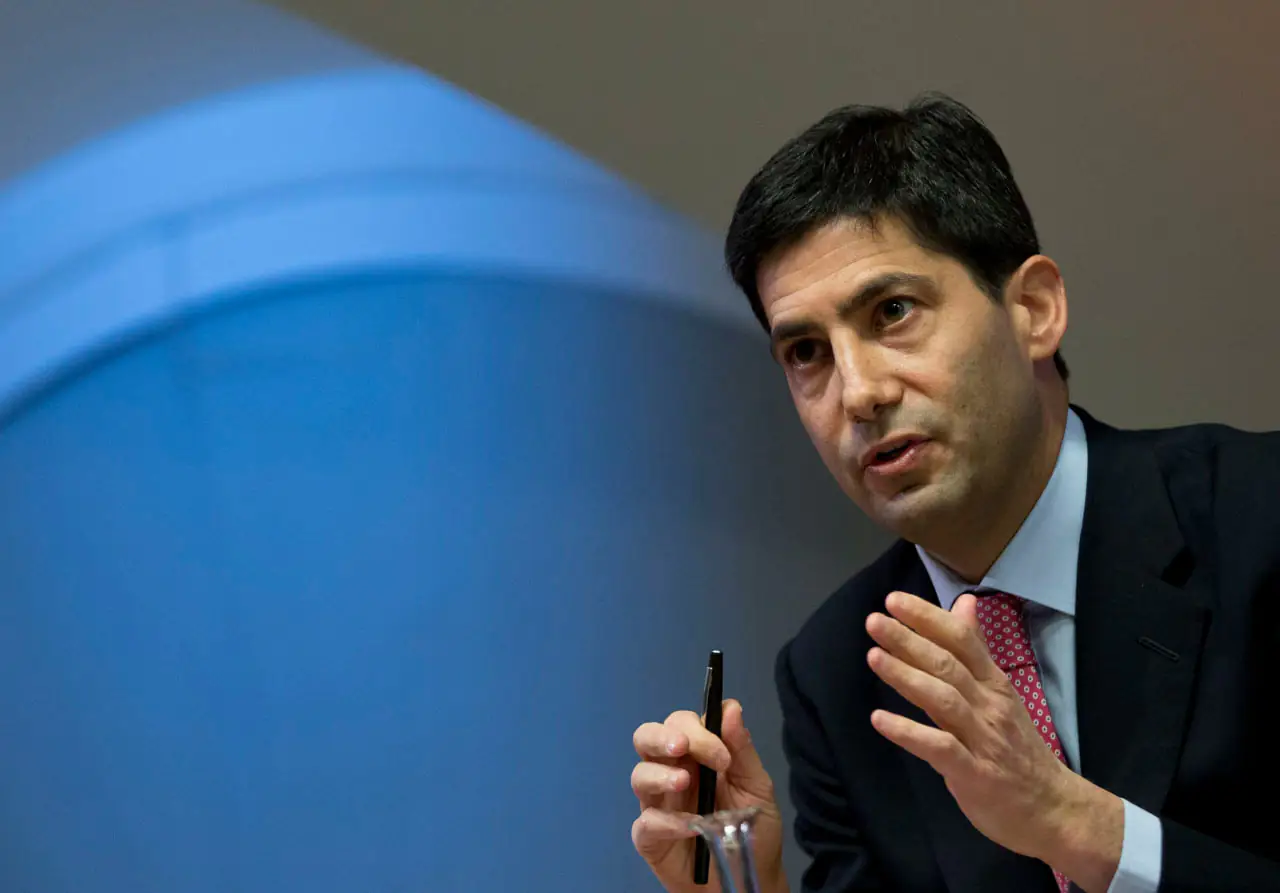
Bitcoin slipped below $79,000 while Federal Reserve Chair Kevin Warsh delivered an inflation-focused speech, as gold declined and major US stock indexes moved only slightly. Fed policy matters for Bitcoin because the cryptocurrency, despite a fixed supply capped at 21 million coins that no central bank can expand, has at times traded alongside rate-sensitive risk assets such as the Nasdaq during past episodes of rate repricing rather than as an inflation hedge.
Bitcoin holds inside its rising channel
At the time of writing, Bitcoin traded below $79,000. The pullback followed a recent high near $81,455 and kept price within the ascending four-hour channel formed after the August 19 rally.
The 50-period simple moving average is rising beneath the formation near $77,800, while the 100- and 200-period averages sit much lower, around $70,900 and $67,500 respectively. Bitcoin therefore retains a sizeable buffer above its longer averages, with the 50-period line providing the closer reference if selling continues.
Momentum has cooled. The four-hour relative strength index (RSI), a momentum gauge scaled from 0 to 100 on which readings above 70 are conventionally treated as overbought, is near 54, below its signal average of about 59 and well under the overbought readings reached earlier in the rally. Bitcoin has printed higher highs inside the rising channel while the RSI produced lower highs — a bearish divergence. The signal does not confirm a reversal, but it shows that buying strength has not kept pace with price and makes the lower channel boundary more important.
Warsh keeps the 2% inflation target fixed
Warsh said the summer's inflation reports were better than expected, but he did not believe the underlying trend had changed meaningfully. The Fed must be confident that inflation is returning to target or, in his words, "we have work to do." He described the 2% personal consumption expenditures (PCE) inflation target as "firm and fixed." PCE is the measure the Fed formally uses to define that goal, and it differs from the more widely quoted Consumer Price Index; the Commerce Department's Bureau of Economic Analysis publishes the PCE figures each month.
The rest of his economic assessment offered little evidence of broad stress. Consumer spending remains healthy, labour markets are stable, and business investment is rising rapidly. Warsh also said financial conditions are difficult to describe as restrictive, with credit markets showing few signs of policy restraint.
Healthy demand and stable employment give policymakers room to wait for clearer inflation evidence. Warsh noted that a "good majority" favoured leaving rates unchanged at the July meeting. His remarks kept the next decision open while maintaining pressure on inflation.
Two-year Treasury yield rises as gold falls
The US two-year Treasury yield rose to approximately 4.29%, its highest level since July 31. Bond prices and yields move in opposite directions, so the increase means the price of the two-year note fell.
The two-year move concerns a different part of the bond market from the Treasury's recent expansion of long-bond buybacks. That programme covers older 10-to-30-year securities and is intended to improve market liquidity, whereas the two-year yield is more sensitive to expectations for Fed policy. Notes at that maturity sit within the horizon over which the Fed directly sets its benchmark rate, which is why traders often read the two-year yield as shorthand for the expected policy path.
Other markets showed an uneven response. Spot gold extended its losses, down just over 1% and trading near $4,550 per ounce.
Moves in the main US stock indexes were much smaller. The S&P 500 was down roughly 0.1% and the Nasdaq about 0.2% lower, while the Dow was close to flat, showing a gain of approximately 0.1%.
These are rounded figures from fast-moving markets and may change quickly. They describe what happened while investors were assessing Warsh's remarks; the timing alone does not prove that the speech produced every move.
The channel defines Bitcoin's next test
The lower channel boundary and the rising 50-period average near $77,800 provide the nearest areas to watch if selling continues. A four-hour close beneath the formation would damage the post-rally structure and shift greater attention toward that moving average.
On the upside, Bitcoin first needs to recover $80,000. The recent high around $81,500 is the more demanding barrier. A four-hour close above it with a stabilising RSI would improve the continuation case, while another rejection would preserve the existing consolidation.
A completed four-hour close will carry more weight than the brief move below $79,000. Until price leaves the formation, the chart shows weaker momentum inside an intact channel. Beyond the chart, the next scheduled macro inputs are the Fed's remaining meetings this year — the committee convenes eight times annually — and the monthly PCE reports on the gauge Warsh said the Fed must be confident is returning to target.
This article is provided for informational purposes only and does not constitute financial or investment advice.
