BTC Enters Largest Accumulation Wave Since 2023 as Binance Outflows Spike
Key Takeaways
- •Binance's BTC reserve dropped by roughly 16,000 coins in one week, falling from about 705,000 BTC to 689,000 BTC, while total exchange holdings near 2.7 million BTC remain close to all-time lows.
- •Approximately 25,000 new shrimp wallets holding under 1 BTC were created in a single day, and shrimp and shark cohorts have expanded by 4.64% and 4.62% year to date, respectively.
- •On-chain records showed no signs of distribution during BTC's rally from lows of $59,000 to a local high of $87,000, indicating long-term holders are retaining their supply.
- •The current accumulation wave is distinct because it has occurred without treasury company buying, as purchases by firms such as Strategy and Metaplanet remain frozen while they work to strengthen their balances.
- •Security concerns, including the recent Bitget hack, combined with growing geopolitical uncertainty, may be accelerating the transfer of BTC into self-custodied wallets.
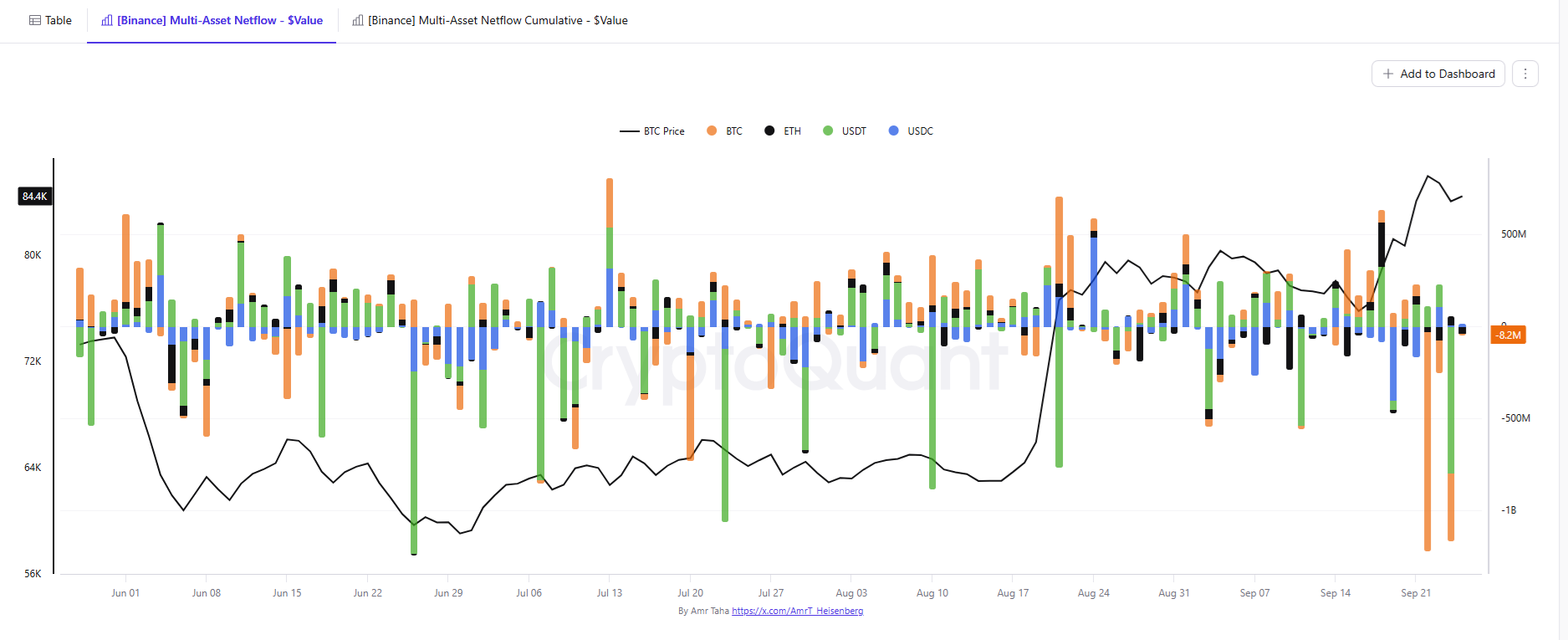
Bitcoin (BTC) is moving through another notable accumulation wave, with exchange outflows and transfers into self-custodied wallets returning to levels not seen since 2023. The renewed push toward long-term storage comes as BTC regained the $85,000 level and moved above its 365-day average, with both whales and retail buyers adding to their positions. Waves like this are closely watched because they show coins leaving trade-ready exchange balances for holdings intended to sit for longer horizons.
A shift in BTC has put accumulation back on the radar. Moving BTC into self-custody is also a response to growing geopolitical uncertainty. While BTC tends to trade as a riskier Nasdaq proxy during boom periods, it can also serve as a secure reserve that still trades and settles around the clock. Self-custody is stacking on top of ETF accumulation, showing that crypto natives have not given up on long-term storage despite recent hacks and other threats. Since every wallet transfer is recorded on the public ledger, the trend can be measured directly through exchange reserve and cohort data rather than self-reported figures.
Binance shows peak BTC outflows
A sudden increase in outflows from Binance offers another indicator of accumulation. According to research by X user @Darkfrost, BTC is showing signs of FOMO, with outflows reaching levels not seen since 2023. Binance typically absorbs spare BTC during periods of bearish sentiment, while outflows signal much lower selling pressure.
Ahead of the withdrawal spree, Binance held around 705,000 BTC in its reserve. In the past week alone, that reserve shrank to roughly 689,000 BTC — a reduction of about 16,000 BTC — based on CryptoQuant data. Exchanges as a whole hold around 2.7 million BTC, near all-time lows per Binance reserve tracking, and the reserves did not expand even with recent miner deposits. A smaller exchange reserve means a reduced pool of coins immediately available to sell, which is why reserve levels are among the most closely followed supply gauges in the industry. Whether reserves keep shrinking or rebuild through fresh deposits will be a key marker of how the accumulation wave develops.
BTC has been taken off exchanges not only for self-storage but also for additional safety, as exchanges remain at significant risk of hacks. The recent Bitget hack may accelerate the rush to protect personal BTC holdings.
September also brought a shift in the size spot orders. Demand came from large whales making relatively small but regular purchases, with orders ranging at around 798 BTC. The pattern began in early September and rose as the BTC price rally progressed. General inflows to accumulation addresses also expanded in September, following a period of flat activity.
For now, the accumulation has occurred even without buying from treasury companies. Most treasury purchases have been frozen, while firms such as Strategy and Metaplanet attempt to improve their balances and reserves. That makes the current wave distinct: on-chain wallets, rather than corporate balance sheets, have carried the buying, and a resumption of corporate purchases would add a separate demand channel alongside it.
BTC shrimp and shark wallets gain activity
The accumulation wave suggests shrimp retail wallets may be making a return. Just as retail capitulated at the end of the previous bull cycle, buying is now returning once BTC has established a clear trend. In a single day, a total of 25,000 new shrimp wallets holding under 1 BTC were created. For 2026 to date, the number of shrimp wallets has expanded by 4.64%, per cohort dashboards.
Another active cohort is the shark-sized wallets holding 100 to 1,000 BTC. Those wallets also added BTC in the past month, expanding their total count by 4.62% year to date. According to holder records, all but the most recent BTC buyer wallets are increasing their balances. There were no signs of distribution during the BTC rally from lows of $59,000 to the recent local high at $87,000, and HODL wave data points to holders with long-term conviction retaining supply. The recent accumulation shows confidence in an ongoing BTC rally, as earlier buyers do not rush to distribute at this price range.
Taking coins off exchanges also suggests another wave of confidence in long-term BTC growth. For now, most of the BTC price pressure comes from the derivatives market. BTC is in no danger of holder capitulation, as a large part of the supply has been redistributed to committed long-term holders. As a result, actual access to BTC may become even more scarce, while the leading crypto coin is used as collateral, a deep reserve, or simply a payment tool with still-uncensored settlement. Exchange reserves, cohort balances, and HODL waves are the gauges to monitor as the wave progresses.

