Bitcoin in 2026: What the Numbers Actually Say
Key Takeaways
- •Bitcoin trades near USD 84,000 and represents about 59% of total crypto market capitalization, while US spot ETFs, approved in January 2024, hold roughly USD 102-104 billion in assets and have recorded around USD 55 billion in cumulative net inflows.
- •Publicly listed companies hold an estimated 1.27-1.29 million BTC, equivalent to more than 6% of Bitcoin's 21-million-coin maximum supply, with Strategy (formerly MicroStrategy) alone disclosing approximately 845,000 BTC.
- •The store-of-value use case has scaled faster than payments, particularly among institutional investors, though Square has enabled Bitcoin acceptance for roughly one million US merchants via the Lightning Network and Lightning monthly volume has crossed USD 1 billion.
- •Lightning's public capacity sits at approximately 2,670 BTC across roughly 5,900 nodes and 20,000 channels, and USDT is now live on Bitcoin and Lightning via the Taproot Assets protocol, while newer designs such as Ark aim to address Lightning's remaining limitations.
- •Over the next three to five years, Bitcoin's development may depend on the durability of ETF and corporate treasury demand, broader adoption of Lightning, Ark and stablecoin infrastructure, clearer custody and accounting frameworks, and easier-to-adopt self-custody infrastructure.
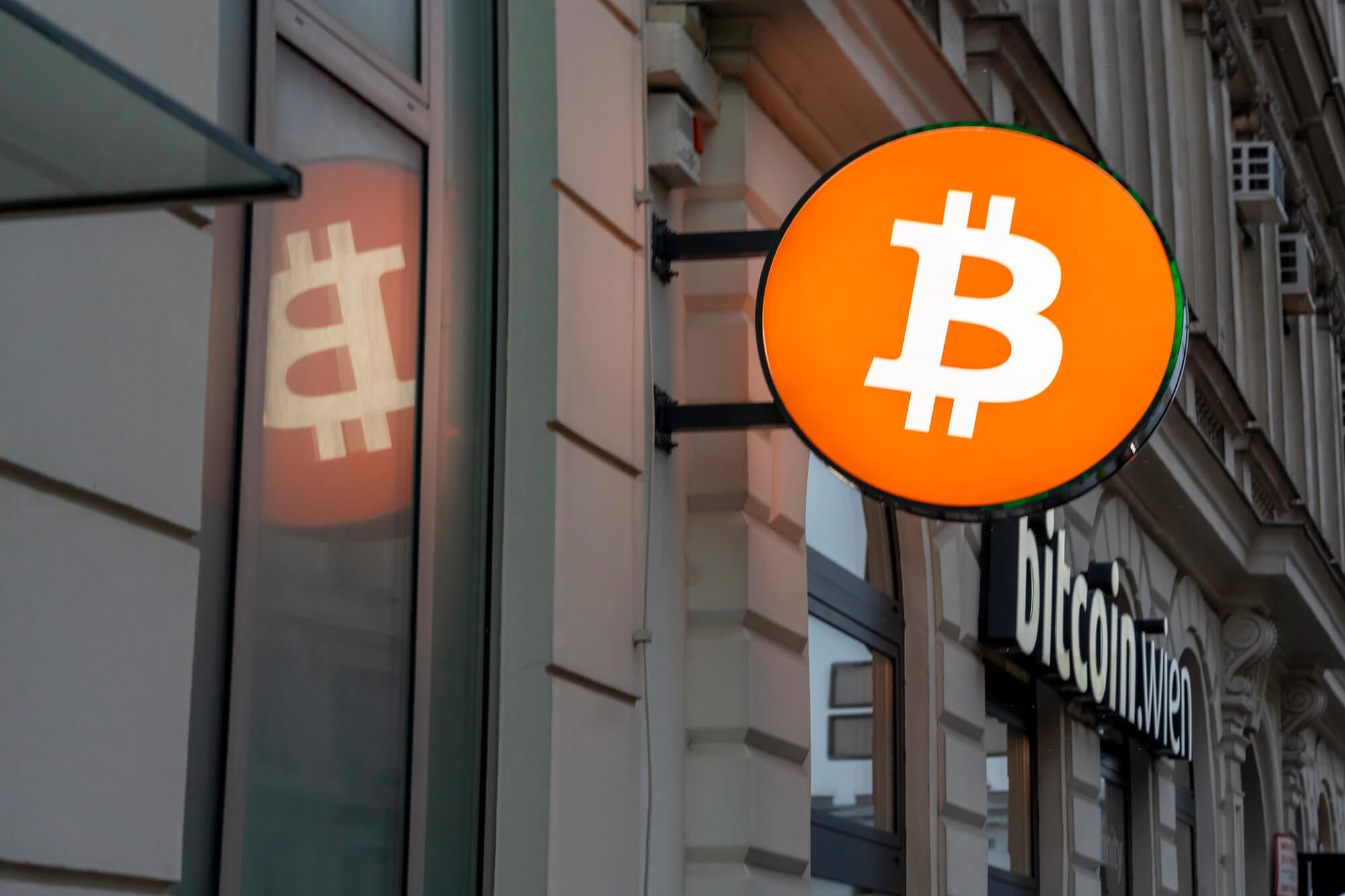
Bitcoin trades around USD 84,000 at the time of writing in 2026 and accounts for approximately 59% of total crypto market capitalization. US spot exchange-traded funds, first approved by US regulators in January 2024, hold roughly USD 102 billion to USD 104 billion in assets, equivalent to about 6.3% of Bitcoin's total market capitalization. Publicly listed companies, meanwhile, hold an estimated 1.27 to 1.29 million BTC on their balance sheets.
Taken together, these figures describe a market that has shifted structurally over the past two years. Speculative trading still drives short-term prices, but institutional products and corporate-treasury holdings now play a more visible role than in some earlier market cycles — a shift that shapes which questions about Bitcoin are worth examining today.
Digital Gold, Institutional First
Based on current market activity and institutional participation, Bitcoin appears to be used more prominently as a store-of-value or investment asset than as an everyday medium of exchange. The data reflects this. Strategy (formerly MicroStrategy) holds approximately 845,000 BTC according to its public disclosures. US-listed Bitcoin ETFs have recorded roughly USD 55 billion in cumulative net inflows since 2024. Publicly listed companies have disclosed holdings equivalent to more than 6% of Bitcoin's theoretical 21-million-coin maximum supply.
Corporate-treasury activity outside the US could still influence future adoption, as could the availability of investment products under applicable rules in additional jurisdictions. The same holds for payment infrastructure in markets where Bitcoin may address specific remittance or settlement needs.
This does not mean Bitcoin's potential role in payments has diminished. Rather, the store-of-value use case has scaled faster than the payments use case, particularly among institutional investors. Payments can develop alongside Bitcoin's store-of-value and investment use cases rather than necessarily replacing them.
Why Payments Still Matter, Just Differently
Bitcoin payments face structural friction. Price volatility makes merchant settlement uncomfortable, wallet and user-experience complexity remain a barrier to mainstream adoption, and tax treatment can create additional friction for users in many jurisdictions. Without a second layer, Layer 1 fees and confirmation times make small retail transactions uneconomical.
The data nonetheless points to continued development of the payments use case. Square has enabled Bitcoin acceptance for roughly one million US merchants via the Lightning Network, a Layer 2 protocol that routes payments off Bitcoin's base blockchain, with USD settlement. BTC Map listed more than 23,000 Bitcoin merchants earlier this year, and Lightning monthly volume has crossed USD 1 billion.
Payments are an adoption path rather than the core thesis. They expand Bitcoin's utility without displacing the store-of-value use case that currently dominates institutional adoption.
AI Agents: Payments Before Trading
In the near term, some AI-Bitcoin applications may prove more practical in payments than in fully autonomous trading, though this remains an emerging area. AI agents could use Lightning to pay for APIs, compute and other digital services, settle recurring payments, or manage small balances for machine-to-machine transactions.
The bigger constraints are custody and control. For these applications to scale, agents will need clearly defined permissions, spending limits and auditable transaction histories. Until those safeguards mature, most use cases are likely to remain relatively narrow.
What Layer 2s Unlock
Lightning already enables instant, low-fee payments and exchange withdrawals that Layer 1 cannot support at retail scale. Public capacity sits at approximately 2,670 BTC across roughly 5,900 nodes and 20,000 channels. USDT is now also live on Bitcoin and Lightning via Taproot Assets, a protocol that enables the issuance of assets such as stablecoins on Bitcoin. Newer Layer 2 designs such as Ark are attempting to address some of Lightning's remaining limitations, including the need for pre-funded channels and the cost of onboarding users onchain. If these systems scale, they could make wallets, machine-to-machine payments and high-frequency, small-amount transaction use cases significantly more practical.
These points suggest that a more layered Bitcoin ecosystem is possible. Layer 1 provides the base settlement layer, while Layer 2 infrastructure supports faster cheaper transactions and potentially a broader range of assets. If adoption follows, Bitcoin's utility could expand without requiring every transaction to settle directly on the base layer.
Four Tracks to Watch
Over the next three to five years, four areas may be particularly relevant to Bitcoin's development:
- the durability of ETF and corporate treasury demand across market cycles;
- broader adoption of Lightning, Ark and stablecoin infrastructure;
- clearer frameworks around custody, payments and corporate accounting;
- self-custody infrastructure that can be easier to adopt alongside institutional participation.
The bigger story will be how these developments interact. Sustained institutional demand could reinforce Bitcoin's store-of-value and investment use cases, while improvements in payment and settlement infrastructure may broaden how some users interact with the network. The scale and timing of these developments remain uncertain.
Disclaimer: This article is provided for general informational purposes only and does not constitute investment, legal, or financial advice, nor an offer or solicitation to buy or sell any financial instruments or digital assets. Any views expressed are based on current market observations and are subject to change. Past performance is not indicative of future results. Digital assets are volatile and may not be suitable for all investors. Readers should conduct their own independent research and seek professional advice before making any investment decisions. Restrictions may apply.

