Binance Tokenised Stocks Surpass $500 Million in AUM Within Two Months of Launch
Key Takeaways
- •Binance's bStocks offering exceeded $500 million in assets under management less than two months after launching on June 11, 2026.
- •The platform has expanded from an initial five tickers to more than 46 listings spanning technology, semiconductors, financial services, clean energy, and exchange-traded funds.
- •Gen Z investors represent the largest participating age cohort at 44% of bStocks trading activity, while 41.5% of users began their traditional finance investment journey through the platform.
- •Tokenised stocks account for 58% of Binance's equity-linked trading volume outside U.S. market hours, and the product recorded $2 billion in volume during the most recent weekend alone.
- •A majority of bStock holders, at 58.5%, also trade perpetual futures, direct equities, or both, indicating strong cross-product engagement within Binance's broader investment ecosystem.
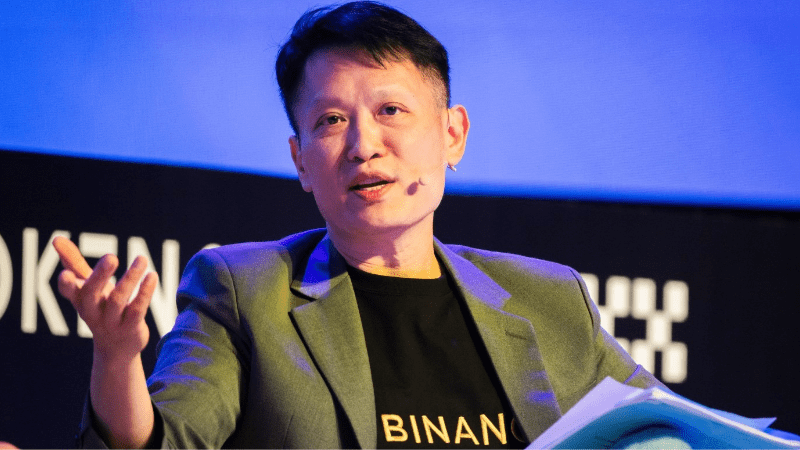
Binance has announced that its bStocks tokenised securities offering has crossed $500 million in assets under management (AUM), less than two months after the product went live. The milestone underscores increasing demand for tokenised access to traditional financial markets through the cryptocurrency exchange's platform, placing Binance among the largest venues for tokenised equities as the broader real-world asset (RWA) tokenisation sector continues to expand.
Launched on June 11, 2026, with just five tickers, bStocks has since expanded to more than 46 listings. The product provides eligible users with round-the-clock access to tokenised securities and allows free, instant conversion between a bStock token and its underlying stock in either direction. The eligibility requirement reflects the complex, fragmented regulatory landscape for tokenised securities, which typically restricts access based on users' jurisdiction and compliance status.
Crypto-Native and Gen Z Adoption
Early platform data shows that bStocks is drawing a predominantly crypto-native user base, with many treating tokenised securities as their first entry point into traditional finance. Specifically, 41.5% of bStocks users began their traditional finance investment journey through the tokenised securities on Binance. Gen Z investors account for 44% of bStocks trading activity, representing the largest participating age cohort.
Shunyet Jan, Head of Exchange and Trading at Binance, said that tokenised stocks are opening doors for a new generation of investors.
"With bStocks accounting for 58% of equity-linked volume on Binance outside U.S. market hours, it is clear that users increasingly expect access on their own terms. We're seeing more users explore traditional finance through an experience that is borderless, always available, and integrated with the digital assets they already hold. As user demands evolve, we will continue expanding bStocks to make global investment opportunities more accessible and intuitive," Jan said.
Strong After-Hours Engagement
bStocks have seen sustained engagement outside traditional U.S. market sessions. After U.S. markets close, bStocks represent 58% of equity-linked trading volume on Binance, signalling demand for continuous market access. During the most recent weekend alone, the product recorded $2 billion in trading volume.
The tokenised stocks are integrated within Binance's broader investment ecosystem, sitting alongside spot crypto, direct equities, and perpetual futures. Currently, 58.5% of bStock holders also trade perpetual futures, direct equities, or all three asset classes, allowing users to manage multiple strategies within a single platform.
Expanding Listings
Since launch, Binance has broadened its tokenised stock offerings to span technology, semiconductors, financial services, clean energy, and exchange-traded funds. Recent additions include Apple, Amazon, Goldman Sachs, PayPal, Dell Technologies, and the VanEck Semiconductor ETF. The pace of listing expansion aligns with a wider industry push into tokenisation, where traditional asset managers and blockchain platforms alike are exploring ways to bring conventional financial instruments on-chain for broader, round-the-clock accessibility.

