Big Tech Earnings Put AI Spending Under Scrutiny as Fed Decision Looms
Key Takeaways
- •Microsoft is expected to raise its 2026 capital expenditure forecast toward $238 billion as investors assess its AI infrastructure spending discipline.
- •Meta’s AI investment plans are under scrutiny after investors shifted attention toward Google, whose cloud unit grew 82% last quarter.
- •Apple is expected to report about $108.9 billion in revenue on what is anticipated to be Tim Cook’s final earnings call as chief executive.
- •SK Hynix consensus estimates point to 84.1 trillion won in sales, which would mark a new operating profit record.
- •The earnings reports coincide with a Federal Reserve rate decision and oil price volatility after Brent briefly moved above $100 a barrel.
Four major Big Tech companies are scheduled to report second-quarter earnings this week, putting investor focus on whether large artificial intelligence spending programs are producing measurable returns. SK Hynix is also set to release its first results since a record Nasdaq debut, while Tim Cook is expected to hold his final earnings call as Apple’s chief executive.
The earnings calendar comes just before the Federal Reserve’s Wednesday rate decision, with markets already pricing in a possible hike. Oil prices have added another variable after Brent moved above $100 a barrel before later falling as hostilities in the Middle East paused. Together, the reports and macro events will give investors fresh data on corporate demand for AI infrastructure, the cost of funding large data-center buildouts, and inflation pressures tied to energy prices.
Microsoft and Meta report Wednesday
Microsoft and Meta begin the busiest part of the week on Wednesday. Analysts expect Microsoft to lift its 2026 capital expenditure forecast toward $238 billion, a figure that will test whether the company can maintain spending discipline while managing higher memory chip costs. For large cloud operators, AI investment typically flows through data centers, servers, networking equipment and advanced chips, making capital expenditure guidance a key measure of how aggressively companies are expanding capacity.
Meta faces its own examination over AI-related investment. Investors have become more skeptical of Meta’s AI spending and have rotated capital toward Google instead. Alphabet’s cloud unit grew 82% last quarter, creating a benchmark that Wall Street now wants Meta to match.
Apple reports Thursday alongside Amazon
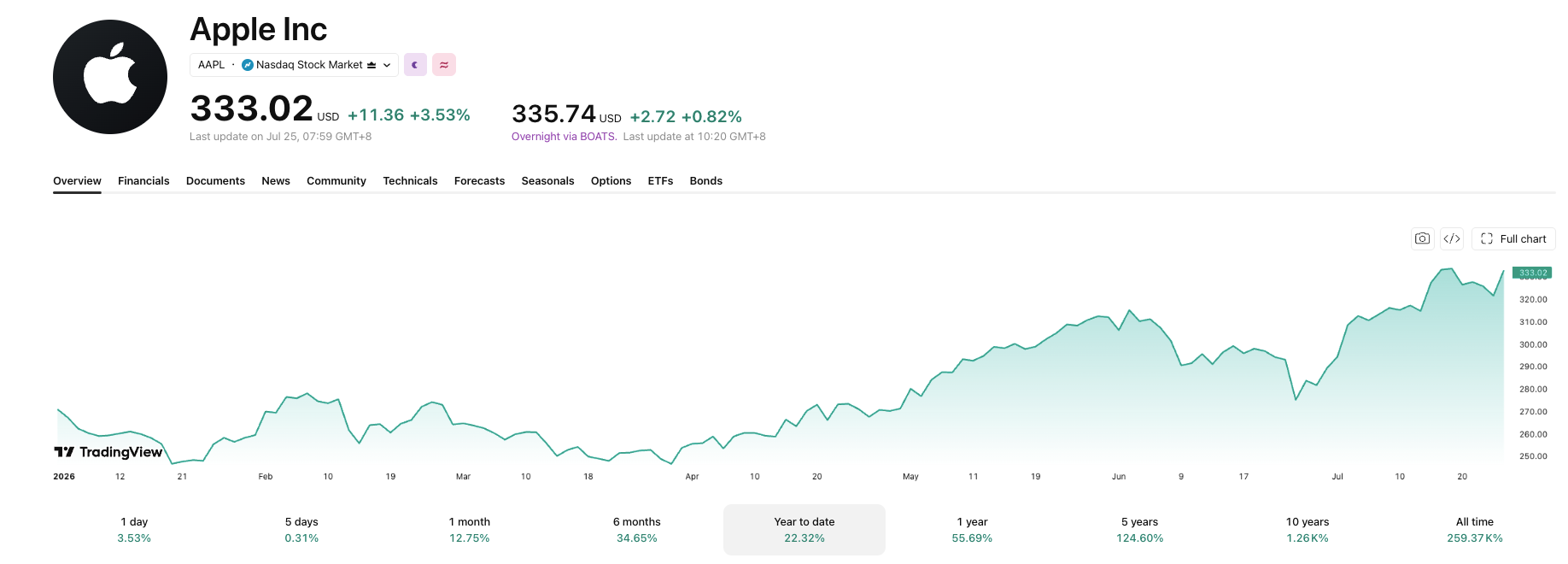
Apple is scheduled to report Thursday alongside Amazon, in what is expected to be Tim Cook’s final earnings call as chief executive. Analysts expect Apple revenue of about $108.9 billion, according to MarketBeat estimates.
Unlike several peers, Apple has relied on a more capital-light AI strategy, avoiding the outsized spending that has weighed on rivals. Apple’s stock reached a record high earlier this month as rising memory prices put pressure on lower-cost smartphone competitors. Amazon’s results will also be watched for signals from its cloud business, where AI demand can support revenue growth but also requires continued infrastructure investment.
SK Hynix reports Tuesday
SK Hynix reports Tuesday, marking its first earnings release since a record Nasdaq debut. Consensus estimates point to 84.1 trillion won in sales, according to Yonhap Infomax, a result that would set a new operating profit record. The company is closely tied to the AI infrastructure cycle because memory supply and pricing affect the cost of servers used by cloud and internet companies.
The report follows a volatile month for the company, including a selloff after its listing and a rebound in the KOSPI past 7,000.
Brent’s move above $100 adds to an already crowded week for investors, who are tracking four major earnings reports and a Federal Reserve decision across three days. Oil prices have also slipped more than 7% as hostilities eased in the Middle East. The next focus will be whether company guidance shows AI spending translating into revenue growth, margin support or clearer timelines for returns on the current investment cycle.

