Big Tech's $1 Trillion AI Spending Surge Sparks Federal Reserve Inflation Debate
Key Takeaways
- •Microsoft, Alphabet, Amazon, and Meta have each announced multi-year increases in capital expenditure for AI infrastructure, contributing to a combined total exceeding $1 trillion.
- •The rapid expansion of AI infrastructure is pushing up costs across sectors such as data center construction, energy, and industrial materials, prompting Federal Reserve officials to assess whether the inflationary effects are temporary or long-lasting.
- •Fed Governor Kevin Warsh has expressed hawkish views on the economic outlook, but market participants remain doubtful that he will diverge from President Trump's publicly stated preference for lower interest rates.
- •Tesla's current market valuation reflects investor assumptions about future policy and economic shifts driven by continued AI investment, particularly in areas like autonomous driving and robotics.
- •Federal Reserve policy signals, upcoming Big Tech AI investment announcements, and Governor Warsh's future public commentary are identified as key factors that markets will monitor for indications of monetary policy direction.
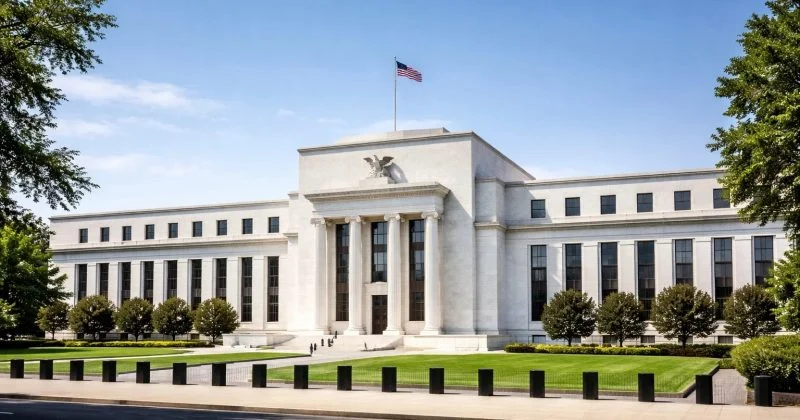
Major technology companies have collectively poured more than $1 trillion into artificial intelligence development, prompting Federal Reserve policymakers to voice concerns about potential inflationary pressures stemming from this unprecedented capital expenditure. The spending surge spans companies including Microsoft, Alphabet, Amazon, and Meta, each of which has publicly announced multi-year increases in capital expenditure directed at AI infrastructure.
The massive buildout of AI infrastructure — encompassing data centers, specialized semiconductors such as Nvidia's graphics processing units, and the energy and supply chains that support them — is widely believed to be driving up costs across multiple sectors. Data center construction alone is placing growing demands on power grids and industrial materials. Federal Reserve officials, whose dual mandate charges them with maintaining price stability alongside maximum employment, are now actively debating whether the price increases tied to AI-driven demand represent a transitory phenomenon or a more durable source of inflation that could complicate the central bank's policy trajectory.
Fed Governor Warsh's Hawkish Tone Meets Market Skepticism
Federal Reserve Governor Kevin Warsh has delivered hawkish remarks on the economic outlook, but market participants remain skeptical about his willingness to break ranks with President Donald Trump's publicly stated preferences on interest rate policy. Trump has consistently advocated for lower rates, and the tension between inflationary signals from AI spending and political pressure on the Fed is shaping expectations for future monetary policy decisions. Such pressure is not without historical precedent: presidents from both parties have at various points publicly urged the Fed toward easier policy, though the central bank is institutionally designed to set rates independently.
This skepticism is reflected in market positioning, which suggests that despite Warsh's concerns about inflation, the practical likelihood of the Fed adopting a significantly more aggressive stance — one that could contradict the administration's economic strategy — remains uncertain.
Tesla Valuation Reflects AI-Driven Expectations
The current market capitalization of Tesla illustrates how investor sentiment is being shaped by expectations of regulatory and economic shifts tied to AI-related spending. The electric vehicle maker's valuation appears to embed assumptions about future policy changes and the broader economic impact of continued AI investment by large technology firms, particularly as AI capabilities intersect with autonomous driving and robotics initiatives.
Key Issues to Monitor
- Federal Reserve policy signals: Any statements or policy adjustments from the central bank in response to persistent inflation concerns will be closely watched by markets.
- Big Tech AI announcements: Significant new investment commitments or technological breakthroughs from major technology companies could further shift market perceptions of inflationary risk.
- Warsh's public commentary: Observers should track Governor Warsh's future public statements for signals of potential policy shifts or alignment with the administration's economic priorities.
The intersection of record-breaking AI investment, Federal Reserve independence, and presidential economic policy preferences has created a complex environment for monetary policymakers. Whether the inflationary effects of Big Tech's AI spending prove temporary or lasting may ultimately influence the trajectory of U.S. interest rates in the months ahead.

