Best Phones of 2026: Which Device Should You Buy?
Key Takeaways
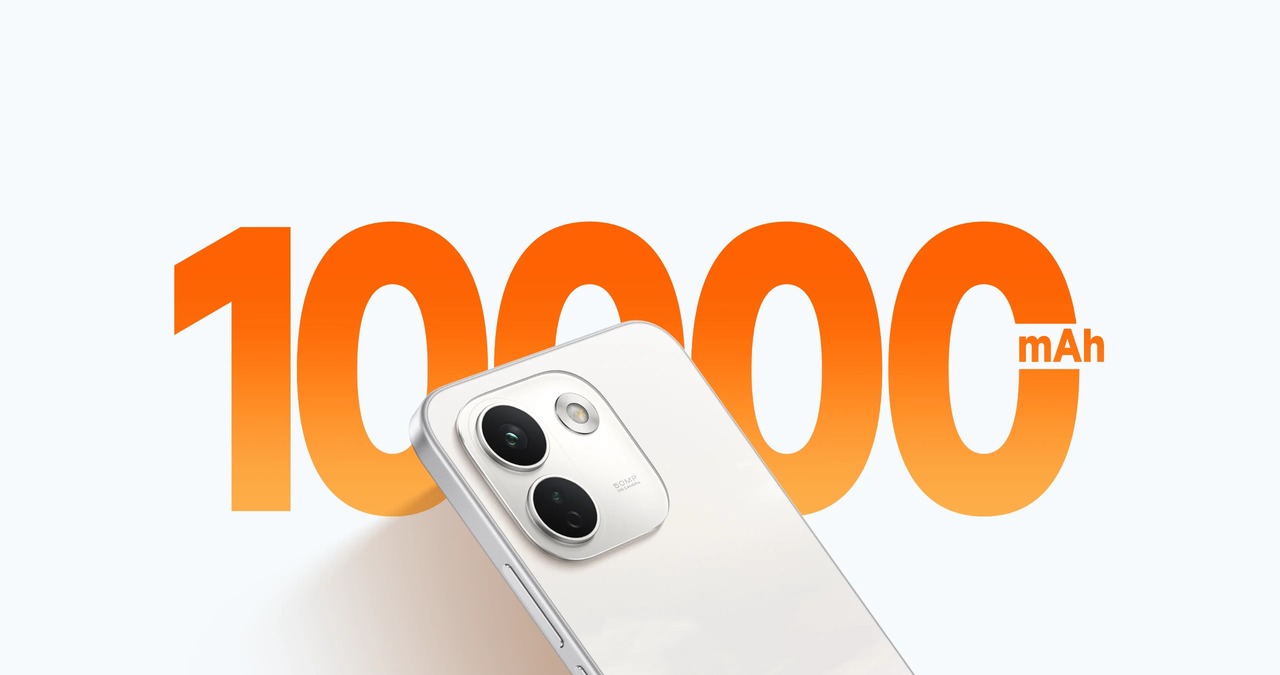
- •Xiaomi's REDMI Note 17 Pro Max 5G is Tech Advisor's mid-range battery pick, pairing a 10,000mAh cell with 100W fast charging for exceptional endurance.
- •PCMag identifies the Samsung Galaxy S26 Ultra as a standout for artists and note-takers thanks to its cameras, performance, and integrated S Pen, while flagging average battery life and limited viewing angles.
- •The Xiaomi 17T Series combines a 50MP Leica main camera with a 50MP 5x periscope telephoto, and its AI Ultra Zoom extends digital reach to 120x.
- •PCMag names the iPhone 17 its best iPhone for most people despite the lack of a telephoto camera, and the iPhone 18 Pro Max earned its battery-life Lab Award after lasting 34 hours and 31 minutes in controlled testing.
- •Budget and mid-range devices, including the REDMI 15C, Galaxy A17 5G, POCO X8 Pro Max, and Galaxy S25 FE, headline value categories on battery capacity, long software support, and sustained performance.
The case for a new phone rarely begins with a spec sheet. More often it starts with a small irritation: a battery that cannot reach the end of the day, photos that fall short of expectations, or a once-speedy device that now drags through simple tasks. Choosing the replacement is the harder part.
Samsung, Apple, and Xiaomi each make a different argument for upgrading, and the priciest option is not automatically the most useful one. This year's standout devices make that distinction plain. The Samsung Galaxy S26 Ultra leads with photography and productivity tools. The iPhone 17 provides a strong everyday Apple experience without pushing buyers toward a Pro model. Xiaomi's REDMI Note 17 Pro Max 5G argues its case on battery endurance, while the Xiaomi 17T offers a different balance of cameras, storage, and screen size. It is also worth noting that several of the strongest picks below come from the mid-range and budget tiers—in these guides, battery endurance, zoom reach, and sustained performance headline the value segment rather than trailing behind flagship feature lists.
Best Battery: REDMI Note 17 Pro Max 5G
A battery stops being an abstract specification the moment you find yourself checking the percentage before leaving work or shutting down apps on the way home. That everyday reality is where the REDMI Note 17 Pro Max 5G makes its strongest case. Tech Advisor names it its mid-range battery-life pick, citing exceptional endurance and 100W fast charging.
The phone carries a massive 10,000mAh cell, which shifts the question from whether it can last a long time to just how long it will last. The combination speaks to two different daily frustrations: long stretches away from an outlet, and only a brief window to top up before heading out. Buyers whose priority is demanding gaming may weigh the decision differently.
Who should buy it: people who spend long stretches away from charging points and value endurance over demanding gaming or a particularly clean software experience.
Best for Productivity: Samsung Galaxy S26 Ultra
For anyone who jots handwritten notes, marks up ideas, or sketches between meetings, Samsung's S Pen serves a purpose that goes beyond the specification sheet.
PCMag identifies the Galaxy S26 Ultra as a standout for artists and note-takers, pointing to its cameras, performance, and integrated stylus. The publication's review also flags trade-offs, among them average battery life and limited viewing angles. Those details matter: a phone can be highly capable without suiting every routine. Reading the flagged trade-offs in full is a worthwhile step with any flagship purchase, since strengths in one area rarely cancel compromises in another.
The S26 Ultra earns consideration from buyers who will actually use its extra tools regularly. If the stylus never leaves its silo, the appeal changes considerably.
Who should buy it: professionals, designers, and frequent note-takers who will put the stylus and large-screen multitasking to regular use.
Best Zoom Photography: Xiaomi 17T Series
The Xiaomi 17T Series stands apart from the 6 range and deserves separate consideration. It pairs a 50MP Leica main camera with a 50MP 5x periscope telephoto and a 12MP ultrawide, opening up more ways to frame a shot without carrying extra equipment.
The 5x telephoto lens is the headline feature. It pulls distant subjects closer through native optical zoom, and Xiaomi's AI Ultra Zoom extends digital reach to 120x. Tech Advisor praises the 17T's vibrant main-camera images and calls its 5x telephoto lens "a real win for proper zoom photography." Because the 120x reach relies on digital processing rather than optics, frequent zoom shooters may want to review sample images at the longest ranges before deciding.
Who should buy it: people who regularly photograph performances, events, distant details, and subjects they cannot easily approach.
Best iPhone for Most People: Apple iPhone 17
Owning an iPhone does not require buying the most expensive model.
PCMag names the iPhone 17 its best iPhone for most people, citing performance, battery life, display quality, and cameras. The absence of a telephoto camera is a genuine limitation for anyone who frequently photographs subjects at a distance, but it does not diminish the standard model's broader appeal.
Who should buy it: people who want a capable everyday iPhone without the specialist photography and video tools of the Pro models.
Best Affordable Phone: REDMI 15C
The REDMI 15C fills the budget slot on this shortlist, judged on the supplied Nigerian pricing and its published hardware. Since that pricing is region-specific, readers elsewhere should confirm local availability and pricing before treating this pick as their baseline. Xiaomi lists a 6,000mAh battery, a large display, and 33W charging—attributes worth weighing when screen size and battery capacity matter more than specialist camera tools.
Its specifications still warrant a careful read. "Up to 16GB RAM" includes storage-based memory extension rather than 16GB of physical RAM.
Who should buy it: budget-conscious buyers who prioritize a large screen and battery capacity and are comfortable carrying a bulkier handset.
Best for Foldable Multitasking: Samsung Galaxy Z Fold 8
The Galaxy Z Fold 8 answers the productivity question differently from the S26 Ultra. Instead of centering the experience on a stylus, it unfolds into a larger workspace. That places it on this shortlist for anyone who wants to move between a phone and a bigger screen without carrying two separate devices.
Folding, however, does not mean it carries Samsung's most complete camera system. PCMag's comparisons note the absence of native optical zoom, along with changes to the inner display and shape—meaningful compromises for buyers expecting an Ultra-style camera experience in a folding body.
Who should buy it: people who frequently read documents, work across apps, or want more screen space while traveling.
Best Performance: POCO X8 Pro Max
A genuinely powerful phone should stay responsive under load—not merely when moving between the home screen and a messaging app. That is the argument for the POCO X8 Pro Max.
Tech Advisor names it its mid-range performance pick, highlighting the Dimensity 9500s processor, 12GB of RAM, and strong results in demanding games. The display and speakers help translate that raw speed into a useful entertainment experience rather than an impressive figure on paper.
Who should buy it: gamers and demanding users who want speed, a good screen, and strong sound without stepping into the most expensive flagship bracket.
Best Affordable Samsung: Samsung Galaxy A17 5G
The Galaxy A17 5G rounds out the list with a more accessible Samsung option, balancing everyday photography, battery life, and long-term software support. PCMag recommends it in the budget category while acknowledging that its processor and memory impose limits.
That distinction matters. A phone chosen mainly for calls, messaging, and everyday photographs does not need to compete with a gaming-focused device; it needs to remain practical for the person buying it. Stated update commitments are also among the few purchase factors a buyer can verify in advance, which makes them a useful comparison point across a shortlist like this one.
Who should buy it: buyers who want an affordable Samsung with 5G and a long support commitment rather than flagship performance.
Best Premium iPhone: Apple iPhone 18 Pro Max
The iPhone 18 Pro Max targets buyers who want more than the everyday Apple experience the standard model already provides.
PCMag's assessment highlights its processing power, camera capabilities, and particularly strong battery results. In the publication's test, it lasted 34 hours and 31 minutes, earning its battery-life Lab Award. That figure comes from a controlled benchmark, not a promise that every owner will see the same runtime.
Who should buy it: demanding iPhone users who prioritize battery endurance, performance, and advanced camera tools—and are comfortable paying for them.
The Conversation Should Not End With Premium Phones
Samsung's Galaxy S25 FE also merits attention. Tech Advisor places it at the top of its mid-range guide, praising its main and selfie cameras, its software, and a seven-year update commitment, while noting weaker supporting cameras and charging limitations.
There is no single best phone of the year—only a shortlist of strong choices built around different priorities. The useful question is which one resolves the frustration that prompted the upgrade in the first place.
For readers already considering a Xiaomi purchase, the Xiaomi Carnival Live Black Friday Event Sales are scheduled for 27 November 2026. As the date approaches, the event's official listings are the reference point for confirming participating models and terms. The event provides a date to follow, but the buying decision should come first.

