Best Cold Wallets 2026: Top Hardware Wallet Picks Compared
Key Takeaways
- •CoinLedger's 2026 roundup names Tangem its best overall cold wallet, a $59.90 card-shaped device supporting more than 14,100 assets across 90 blockchains with EAL6+ certified security and no seed phrase.
- •The NGRAVE Zero is rated strongest for security and recovery, fully air-gapped with EAL7 certification and biometric authentication, but its $498 Combo Pack makes it the most expensive option on the list.
- •BitcoinFoundation names the Ledger Stax, listed at $399, the best crypto wallet of 2026 for combining offline key storage, secure element hardware and an easier-to-use interface.
- •A build error in a March 2021 Coldcard firmware release let an attacker start draining bitcoin from devices on July 30, 2026, with published loss estimates above 1,700 BTC, or more than $100 million.
- •CoinLedger's practical lessons from the year's incidents are to buy directly from the manufacturer or an authorized reseller, keep firmware updated, and prefer devices whose key generation has been independently audited rather than merely certified.
The best cold wallets keep the private keys that control cryptocurrency on dedicated hardware that stays offline, putting them beyond the reach of the malware and phishing pages that drain software wallets. Reviewers treat offline storage as the default option for coins their owners rarely plan to move. Unlike coins held on an exchange, where the operator holds the keys, a hardware wallet leaves that control with the owner — the practical stake behind the whole category. A wave of 2026 comparisons from CoinLedger, BitcoinFoundation and NerdWallet evaluates the leading devices, what each one costs, and what this year's security incidents should change about how buyers approach a purchase.
One caveat frames those comparisons. The picks below come from named published reviews, mainly CoinLedger's and BitcoinFoundation's 2026 roundups. The original publisher has not bench-tested the devices itself, so the rankings should be read as a map of where the published evaluations agree rather than an independent lab verdict.
How the Shortlist Was Built
Three published sources inform the shortlist. The most detailed is CoinLedger's 8 Best Cold Storage Wallets 2026 roundup. It judged wallets on five criteria: security architecture and independent certification, supported assets, price, ease of setup and daily use, and build quality. CoinLedger also checked every price against the manufacturer's own store in September 2026.
BitcoinFoundation's wallet review ranks hardware and software wallets side by side on security, supported assets and networks, ease of use, and key storage methods. NerdWallet's guide covers what setup actually involves.
The Best Cold Wallets the 2026 Reviews Recommend
Here is how the six picks compare at a glance. Prices are the ones CoinLedger checked against each manufacturer's store in September 2026, and since listed prices can move, they are worth reconfirming before ordering.
Tangem: CoinLedger's Best Overall
CoinLedger names Tangem its best pick overall, at $59.90 for a two-card set. The device is shaped like a card. It supports more than 14,100 assets across 90 blockchains and carries EAL6+ certified security. Those grades come from the Common Criteria framework, which runs from EAL1 to EAL7, with each higher level demanding a deeper independent security evaluation.
Tangem also skips the seed phrase entirely. The backup lives on extra physical cards, and the design is air-gapped, with no USB, Bluetooth or Wi-Fi. CoinLedger flags two trade-offs: the firmware is not open source, and the backup can be completed only once, at setup.
Ledger Nano X: the Easiest Starting Point
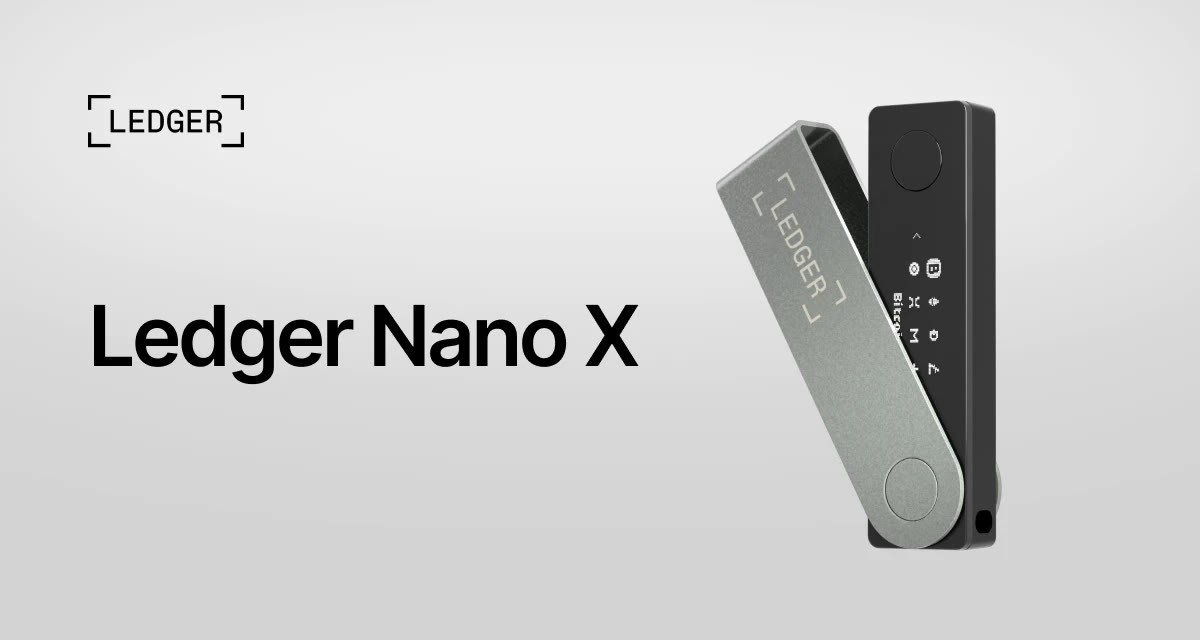
The Ledger Nano X costs $99, and CoinLedger rates it the best starting point for beginners. It points to Bluetooth connectivity, a companion app for Android and iOS, and support for thousands of coins and tokens. On the downside, the firmware is closed source, and the Nano X is no longer Ledger's flagship.
Trezor Safe 3: the Affordability Pick
At $59, the Trezor Safe 3 is CoinLedger's affordability pick. It pairs an EAL6+ certified Secure Element chip with open-source code. The low price shows in the plastic body and the small monochrome screen, and the device is not air-gapped.
NGRAVE Zero: Strongest on Security and Recovery
CoinLedger calls the NGRAVE Zero its strongest option for security and recovery. It is fully air-gapped and EAL7 certified — the top of that scale — with biometric authentication and support for more than 3,500 assets and NFTs.
It is also the most expensive route on the list, at $498 for the Combo Pack, which bundles the backup plate. Because it is fully offline, it is awkward to use for anything other than long-term storage.
Cypherock X1 Basic: Key Splitting Instead of a Seed Phrase
The Cypherock X1 Basic costs $99, down from a list price of $129, according to CoinLedger. Instead of a seed phrase, it uses key splitting: the private key is split across the X1 Vault and four NFC cards, and any two of the five pieces can rebuild the key. It supports more than 18,000 assets.
CoinLedger calls it a poor first wallet but a strong second one. The extra pieces add security, and they also give the owner more to keep track of.
Ledger Stax: the Design Pick and BitcoinFoundation's Overall Winner
CoinLedger lists the Ledger Stax at $399 as its design and user experience pick. It has a large E Ink touchscreen and supports thousands of coins and tokens. CoinLedger notes that the extra money buys design and convenience, not extra security.
BitcoinFoundation goes further. It names the Stax the best crypto wallet in 2026 because it combines offline key storage, secure element hardware, and an interface that is easier to use.
A Second Opinion on the Top Tier
BitcoinFoundation's ranking puts two more devices in its top three next to the Ledger Stax. The first is the Trezor Safe 7 at $249, picked for fully open-source firmware and Shamir backup, which splits recovery into multiple shares. The second is the SafePal S1 at $50 to $100. It signs transactions by swapping QR codes with a phone, so it never connects directly to anything.
What the 2026 Security Incidents Mean for Buyers
A wallet's track record now matters as much as its spec sheet. CoinLedger reports that on July 30, 2026, an attacker began draining bitcoin from Coinkite Coldcard devices.
The cause was a build error in a March 2021 firmware release. It made seed generation fall back on a weak random number generator, so the attacker needed no physical access to any device. Published loss estimates run above 1,700 BTC, which is more than $100 million. That incident is why Coldcard does not appear on CoinLedger's list.
Two other 2026 events were vendor problems rather than device problems. CoinLedger reports that in January 2026, attackers compromised Global-e, the payment processor Ledger uses, and took customer names, addresses and order details. A separate breach at fulfillment provider ShipMonk exposed order data for roughly 81,000 Trezor customers.
In both cases, no funds were taken, no recovery phrases were exposed and no device was compromised. Still, the stolen lists identify people who own crypto, and that raises the phishing risk. No hardware wallet company will ever ask for a recovery phrase, whether by letter, email, phone or app.
Read together, the year's incidents put the pressure points in the firmware build process and the vendor chain around a device rather than in the certified chips the spec sheets lead with. CoinLedger draws three practical lessons from the year: buy directly from the manufacturer or an authorized reseller; keep firmware current; and prefer devices whose key generation has been independently audited rather than just certified.
Cold Wallet or Hot Wallet?
A cold wallet stores keys offline on dedicated hardware, while a hot wallet is software on an internet-connected device. The reviews agree on the split: cold storage for long-term holdings and larger balances, a hot wallet for daily spending. Many people run both.
Keep in mind that a cold wallet is storage, not an investment product. The balance changes only when the market moves or the owner makes a transaction.
Setting Up a Hardware Wallet
Setup takes only a few steps. NerdWallet puts hardware wallets at around $50 to $250 and lays out the process: buy the device, install the maker's companion software, write down the 12- or 24-word seed phrase and keep it safe, then send crypto to the wallet address.
The recovery phrase is the part that matters most. Lose the device, and the phrase restores everything on a new one. Lose the phrase along with the device, and access to the crypto is gone. That single point of failure is what the alternative designs above try to remove: Tangem's extra cards and Cypherock's key splitting both spread a backup across several physical pieces instead of one string of words.
The transfer itself costs something, because moving coins from an exchange to a new wallet address is an on-chain transaction. Owners planning to move a large balance should check what that move is likely to cost on their network beforehand.
Bottom Line
The published 2026 evaluations agree more than they disagree. Tangem and the Trezor Safe 3 cover the budget end with certified secure elements. The Ledger Nano X remains the easiest path to a first device, and the Ledger Stax tops BitcoinFoundation's ranking outright. The NGRAVE Zero and Cypherock X1 Basic suit owners who want recovery designs that go beyond a single seed phrase.
Whichever device a buyer picks, the year's lessons are the same: buy direct, keep firmware updated, and never give a recovery phrase to anyone. Treat the comparison itself as a snapshot of September 2026 prices and this year's incident record — a starting shortlist, not a final verdict.
This article was originally published on Cryptsy on Oct. 27, 2026, and written by Ethan Blackburn.

