Bessent Softens Stance on Huang's Possible Nvidia Return, Keeps Pressure on Compliance
Key Takeaways
- •Treasury Secretary Scott Bessent said he no longer rules out Jensen Huang returning as Nvidia's CEO, while conditioning any comeback on resolving export-control compliance concerns.
- •Nvidia's board removed Huang as chief executive on November 12–13, 2026, amid allegations of personal misconduct and conflicts of interest following an internal investigation into compliance with US AI-chip export controls.
- •The board appointed longtime CFO Colette Kress as interim CEO and is weighing both internal and external candidates despite investor pressure to reinstate Huang.
- •Nvidia reported third-quarter fiscal 2027 results on November 17 that beat expectations for the 17th consecutive quarter, projecting roughly $130 billion in fourth-quarter revenue as shares rose about 4% in after-hours trading.
- •Nvidia's board has moved toward a national security oversight strategy as the company faces continued scrutiny from the FBI and the Department of Justice.
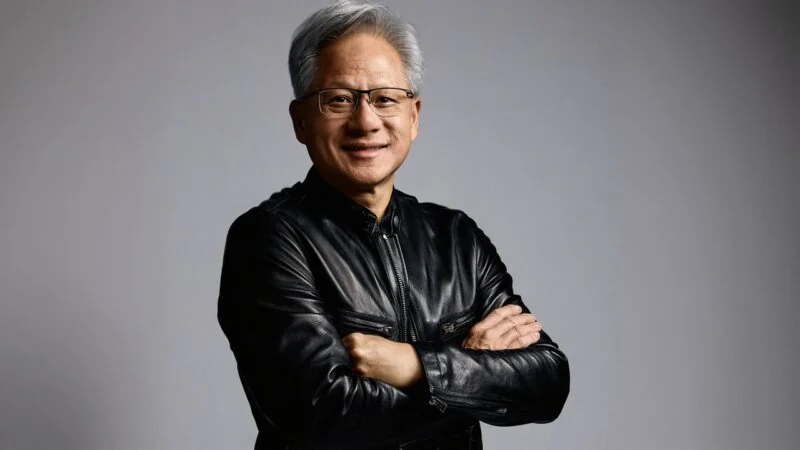
Treasury Secretary Scott Bessent appears to have found a softer way to talk about Jensen Huang. He has not, however, stopped asking hard questions about Nvidia.
In a Sunday interview on CBS's Face the Nation, Bessent eased his earlier opposition to Huang returning as Nvidia's chief executive. At the same time, he continued pressing the chipmaker to account for what he has framed as compliance failures tied to US export controls on AI chips.
A Sunday show, a pointed question
Host Margaret Brennan put the tension between Bessent and the White House directly in front of him. She noted that the president had said Huang should get his job back, while Bessent had argued the board should look outside the company for its next leader.
His answer was brief.
"Well, Jensen is on the outside now," Bessent replied.
Read plainly, Bessent was no longer ruling Huang out. He was still insisting, however, that whoever leads Nvidia must first confront the compliance problem.
How Nvidia got here
The standoff has unfolded in stages over the past ten days. Nvidia's board removed Huang as CEO on November 12–13, 2026. The ouster came amid allegations of personal misconduct, including extramarital affairs and conflicts of interest tied to national security. It followed an internal investigation into the company's compliance with US export controls on AI chips.
Huang co-founded Nvidia in 1993 and served as its chief executive for more than three decades, building the company from a graphics-chip startup into the leading supplier of processors behind the AI boom. That history is part of why his removal—and any possible return—carries weight far beyond a single boardroom.
On November 15, Bessent publicly urged the board to run an external search for a new chief executive, tying that push to concerns about a culture of noncompliance inside the company. The export controls at the center of that dispute, ratcheted tighter since 2022, restrict sales of the most advanced AI processors to China and have turned export compliance into a boardroom-level risk for US semiconductor firms.
Pressure ran in the other direction as well. Investors and other notable figures pushed for Huang to be reinstated, but the board held firm and declined to bring him back. Instead, Nvidia named Colette Kress, the company's longtime chief financial officer, as interim CEO, and the board says it is weighing both internal and external candidates for the permanent role.
By November 17, the board signaled a shift toward a national security oversight strategy. That move came as the company faces ongoing scrutiny from federal agencies, including the FBI and the Department of Justice.
The earnings that refused to notice
On November 17, Nvidia reported third-quarter fiscal 2027 results that beat expectations for the 17th consecutive quarter. The company projected fourth-quarter revenue of approximately $130 billion, and shares rose around 4% in after-hours trading following the release. Those quarterly numbers are widely tracked as a gauge of AI infrastructure spending across the technology sector, which is why the beat drew attention well beyond the company's own leadership drama.
What it means for Nvidia and its stakeholders
Bessent's shift also matters for the succession race. By declining to rule out Huang, the Treasury Secretary has removed one obstacle to a possible return—but he has attached a condition: answers on compliance.
The board has resisted reinstating Huang despite investor pressure, and it has announced a national security oversight approach. Choosing a permanent CEO now means picking someone who can reassure shareholders and federal agencies at the same time.
The president has backed Huang's return. The Treasury Secretary pushed for an outside search and is now finessing that view.
What to watch next is fairly clear. Any update from the FBI or DOJ, any detail on how the board's national security oversight plan works in practice, and any shortlist for the permanent CEO job could all shift the outlook. Until then, the question of who will permanently lead Nvidia remains unanswered.
Disclosure: This article was edited by Diego Almada Lopez. It was originally published at CryptoBriefing.

