Treasury Secretary Bessent appears to endorse yen intervention
Key Takeaways
- •Treasury Secretary Scott Bessent described the Japanese yen as very undervalued and stated that the United States views excess currency volatility as unhealthy.
- •Japan conducted a substantial currency market intervention to support the yen, which has been trading near multi-decade lows against the dollar amid a wide interest rate differential.
- •Bessent's remarks signal a more accommodating US posture toward Japanese intervention, contrasting with previous administrations that sometimes pushed back on unilateral currency action by allies.
- •Past Japanese interventions in 2022 and 2024 provided only temporary relief before the yen resumed its decline, highlighting the difficulty of countering rate-driven trends.
- •The divergent monetary policy trajectories of the Federal Reserve and the Bank of Japan have kept the yield gap wide even as the BOJ gradually tightens policy.
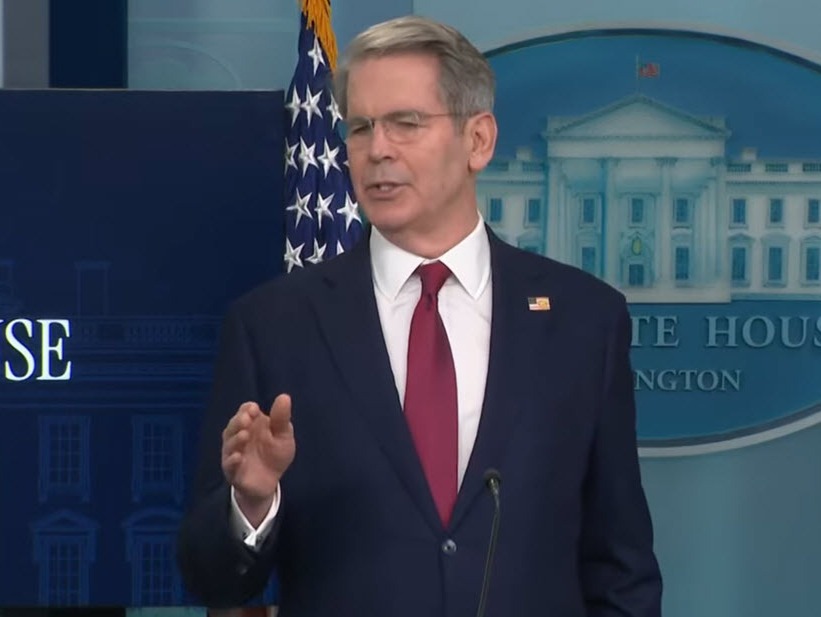
Treasury Secretary Bessent appears to endorse yen intervention
US Treasury Secretary Scott Bessent stated in a Fox Business interview that the Japanese yen is "very undervalued," suggesting it has substantially overshot its equilibrium level. He emphasized that the United States views excess currency volatility as unhealthy.
Bessent's remarks come amid significant movement in foreign exchange markets. Japan intervened in currency markets earlier in the day in a substantial operation aimed at supporting the yen. The yen has been under sustained pressure, trading near multi-decade lows against the dollar, as the interest rate differential between the United States and Japan remains wide.
However, the effectiveness of Japan's intervention efforts may be limited if US Treasury yields continue to rise. Higher US yields tend to attract capital flows toward dollar-denominated assets, putting downward pressure on the yen. Japan's previous interventions in 2022 and 2024 provided only temporary relief before the currency resumed its slide, illustrating the difficulty of countering rate-driven trends with direct market action.
Currency intervention by Japanese authorities has historically drawn scrutiny from international partners, particularly the United States. Under longstanding G7 and G20 agreements, intervention is generally intended to address disorderly market conditions rather than target specific exchange-rate levels. Bessent's characterization of the yen as undervalued and his expression of concern about excess volatility signal a more accommodating stance toward Tokyo's efforts to stabilize its currency — a contrast with prior US administrations that occasionally pushed back on unilateral currency action by allies.
The comments mark a notable alignment between the two governments on currency policy, as Japan seeks to manage yen weakness driven by divergent monetary policy trajectories between the Federal Reserve and the Bank of Japan. The Bank of Japan has been gradually tightening policy after years of ultra-loose settings, while the Federal Reserve has maintained a relatively restrictive stance, keeping the yield gap wide even as both central banks adjust at different speeds.

