Treasury Secretary Scott Bessent Blames Commerce Department for Delayed Nvidia, Megaspeed Security Designations
Key Takeaways
- •Treasury Secretary Scott Bessent publicly assigned responsibility to the Commerce Department for the delayed entity-list designation of Nvidia and its customer Megaspeed, creating a public rift with Commerce Secretary Howard Lutnick.
- •Bessent stated that multiple agencies, including Treasury, Defense, the U.S. Trade Representative and the State Department, had supported the designation for months, while Commerce's Bureau of Industry and Security holds the final decision-making power.
- •He voiced frustration over exports of Nvidia chips more advanced than the H-100 reaching China, arguing the leakage harms U.S. companies and gives Beijing an advantage in the AI race.
- •Bessent declined to confirm or deny a reported Situation Room conversation with Lutnick and indicated the Trade Commission, rather than Treasury, would likely impose restrictions if Commerce does not act.
- •He asserted that the government already has all the legal authority it needs and that the standoff hinges on implementation, while Lutnick faces pressure to explain how the chips were exported to a company linked to a Chinese spy.
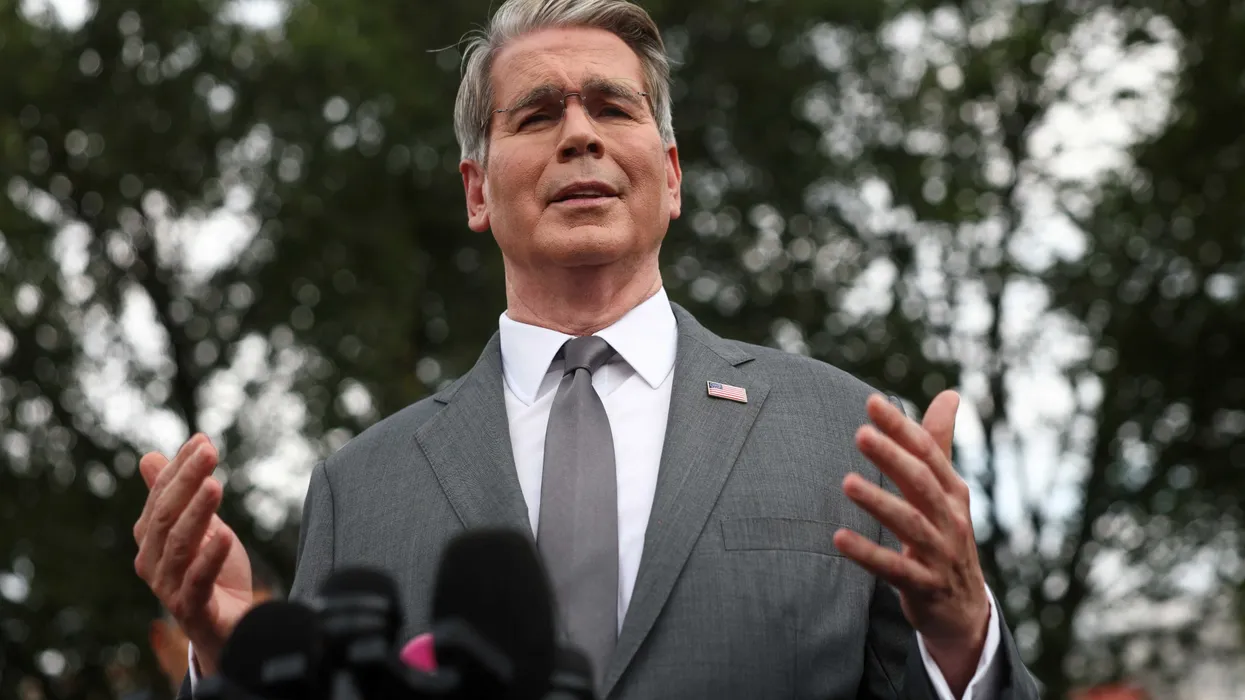
Treasury Secretary Scott Bessent publicly placed responsibility on the Commerce Department on Friday for the delayed move to designate AI chipmaker Nvidia and its customer Megaspeed as possible national security threats, in pointed remarks that put him at odds with Commerce Secretary Howard Lutnick.
Appearing on "Squawk Box," Bessent told co-host Joe Kernen that other agencies had long supported the tougher stance. "I can tell you there was coordination," he said, citing the Treasury Department, the Department of Defense, the U.S. Trade Representative and the State Department. "They were in favor of putting Megaspeed on the entity list for months. But Commerce has the pen. Commerce BIS (Bureau of Industry and Security) has the pen, and you will have to ask them about their internal processes." The entity list is the U.S. export-control roster administered by BIS: once a company is added, U.S. shipments to it generally require a license that is typically reviewed under a presumption of denial, which is why Commerce's sign-off is the decisive step in any such designation.
Co-host Rebecca Quick asked whether Bessent was "frustrated" and whether he believes there will be tighter controls on these chips in the future.
"Well, Becky, I am frustrated when President Trump made it very clear that China should not receive any Nvidia chips above H-100s. And so any leakage is very frustrating because it hurts our great companies in the AI race and gives the Chinese an advantage," Bessent said. The H-100 is one of Nvidia's flagship data-center AI chips, and anything "above" it refers to the newer, more powerful accelerators the company has introduced since.
Kernen asked whether that meant the Treasury Department would take over the matter if Commerce refuses to act to regulate the chipmakers, but Bessent said the Trade Commission would likely be the one to put restrictions in place.
Bessent would not confirm or deny a conversation in the Situation Room with Lutnick in which other branches demanded that he enforce rules on these companies and flag them as a national security concern. He also declined to say what he would do if he were the commerce secretary. "I'm going to say the Treasury secretary, Treasury [Department] and my deputy have been pushing for this for months. At the deputy level," Bessent said.
Pressed by Kernen on whether Congress should step in and act in the absence of regulations, Bessent again pointed back to Commerce. "Yeah, Joe, I think we have all the authorities that we need. They just need to be implemented," he said. "And what I would say is up to the H-100, that's not a technological advantage." His remarks cast the standoff as a question of implementation inside a single agency rather than a gap in legal authority.
When asked about the economy, Bessent maintained that holding the status quo was the smart move. "I'm quite confident that the economy is in very good shape, and there's nothing that's setting off any alarm bells for me right now," he said.
Lutnick has been under pressure to explain how the chips were able to be exported to a company linked to a Chinese spy. The standoff leaves the central question — whether and when BIS will formally add Megaspeed to the entity list — unresolved, with Bessent asserting that the necessary authorities already exist and await implementation. A video of the interview is available on YouTube.

