Treasury Secretary Bessent Says AI Neocloud Debt Is Not a Problem as CoreWeave Shares Slide Nearly 40%
Key Takeaways
- •Treasury Secretary Scott Bessent said on October 28, 2026, that debt tied to AI neocloud providers is not a critical issue, describing the firms as a minor segment of the larger AI ecosystem.
- •CoreWeave shares fell nearly 40% in October before staging a partial recovery, while the Roundhill Neocloud ETF declined 24% over the past month.
- •CoreWeave reported approximately $35 billion in debt as of June 30, 2026, and the broader neocloud sector has issued hundreds of billions in AI-related debt globally.
- •Elon Musk warned that more than 200 neocloud operators face a outlook he described as guppy-level death and consolidation.
- •Bessent pointed to Meta's recent equity financing as evidence that capital continues to flow into the AI sector despite neocloud stress.
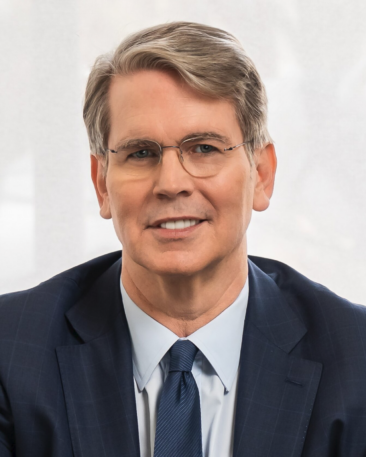
Treasury Secretary Scott Bessent has a message for anyone losing sleep over AI infrastructure debt: relax. In an interview with CNBC on October 28, 2026, Bessent said debt tied to AI “neocloud” providers is not a critical issue, describing the companies as a minor segment within the much larger AI ecosystem. His remarks came as CoreWeave shares slid nearly 40% in October.
What Bessent Said
“Neocloud” is the industry label for a newer breed of cloud companies built around AI computing — specialist providers that rent out the hardware AI developers need.
Bessent’s argument rests on scale. In his framing, neoclouds are one slice of a much bigger AI economy, and trouble in that slice should not be mistaken for trouble across the whole pie. He also pointed to financing that is still flowing elsewhere in the sector, citing Meta’s recent equity financing as evidence that markets remain healthy.
That the Treasury Secretary is weighing in on a niche corner of cloud computing at all signals how far AI infrastructure debt has climbed the policy agenda.
The Numbers Behind the Nerves
CoreWeave, the best-known name in the neocloud space, saw its shares fall nearly 40% during the month before staging a partial recovery. The pain was not limited to one ticker: the Roundhill Neocloud ETF, which bundles exposure to the sector, declined 24% over the past month.
Debt sits at the center of the worry. CoreWeave reported approximately $35 billion in debt as of June 30, 2026. Zoom out, and the broader neocloud sector has issued hundreds of billions in AI-related debt globally.
Borrowing heavily to build data centers is a reasonable bet when demand looks endless and money is cheap. The math gets tougher when interest rates rise. Speculative-grade issuers — the borrowers that ratings agencies consider riskier — feel that squeeze first.
Musk Sees a Shakeout Coming
Not everyone shares the Treasury Secretary’s calm. Elon Musk weighed in on X with a far darker forecast for the space, warning about the prospects facing more than 200 neocloud operators and describing the outlook this way: “guppy-level death and consolidation.”
The two men are not necessarily contradicting each other. A wave of failures among small operators could happen without threatening the broader AI economy — roughly the line Bessent is drawing: local turbulence inside a system that keeps attracting capital.
What It Means for Investors and the AI Buildout
For investors, Bessent’s remarks may offer some reassurance, but they do not change the underlying arithmetic. A Treasury Secretary’s confidence cannot lower a company’s interest bill or extend its debt maturities.
The more useful takeaway is the framework he offered. If neoclouds really are a small piece of the AI economy, then their troubles are a sector-specific risk rather than a systemic one. That distinction carries practical weight: capital tends to keep flowing toward sectors viewed as absorbing isolated shocks, while funding can tighten quickly for borrowers seen as part of a broader credit problem.
Several factors will likely separate winners from casualties. Refinancing ability tops the list, especially for speculative-grade borrowers facing higher rates, while sustained demand for AI computing resources is the other key variable. The gap between big, diversified AI players and smaller specialists will also matter: Meta raising equity is a very different story from a heavily leveraged neocloud trying to roll over its debt.
If Musk is right, the coming months could bring a wave of deals and exits among the 200-plus operators.
Disclosure: This article was edited by Diego Almada Lopez. Source: CryptoBriefing.

