Berkshire Hathaway Raises Delta Air Lines Stake 44% to $5.4 Billion
Key Takeaways
- •Berkshire Hathaway increased its Delta Air Lines stake by 44% in the second quarter of 2026 to 57.3 million shares, a position worth about $5.4 billion at the end of June.
- •The Delta purchases are among the first large portfolio moves of Greg Abel's tenure as Berkshire chief executive, a role he assumed in January 2026 after succeeding Warren Buffett.
- •Delta reported record second-quarter revenue of $17.7 billion, up 14% year over year, with $1.56 in per-share earnings, a 9% operating margin, and an 11% return on invested capital.
- •Diverse revenue streams including premium seating, loyalty programs, cargo, and maintenance made up 61% of quarterly revenue, and Delta expects to collect $9 billion from its American Express partnership this year.
- •Delta guided to full-year earnings of $6.50 to $7.50 per share and cut long-term debt to $10.5 billion, targeting gross leverage of 2x by year-end on its way to a 1x goal.
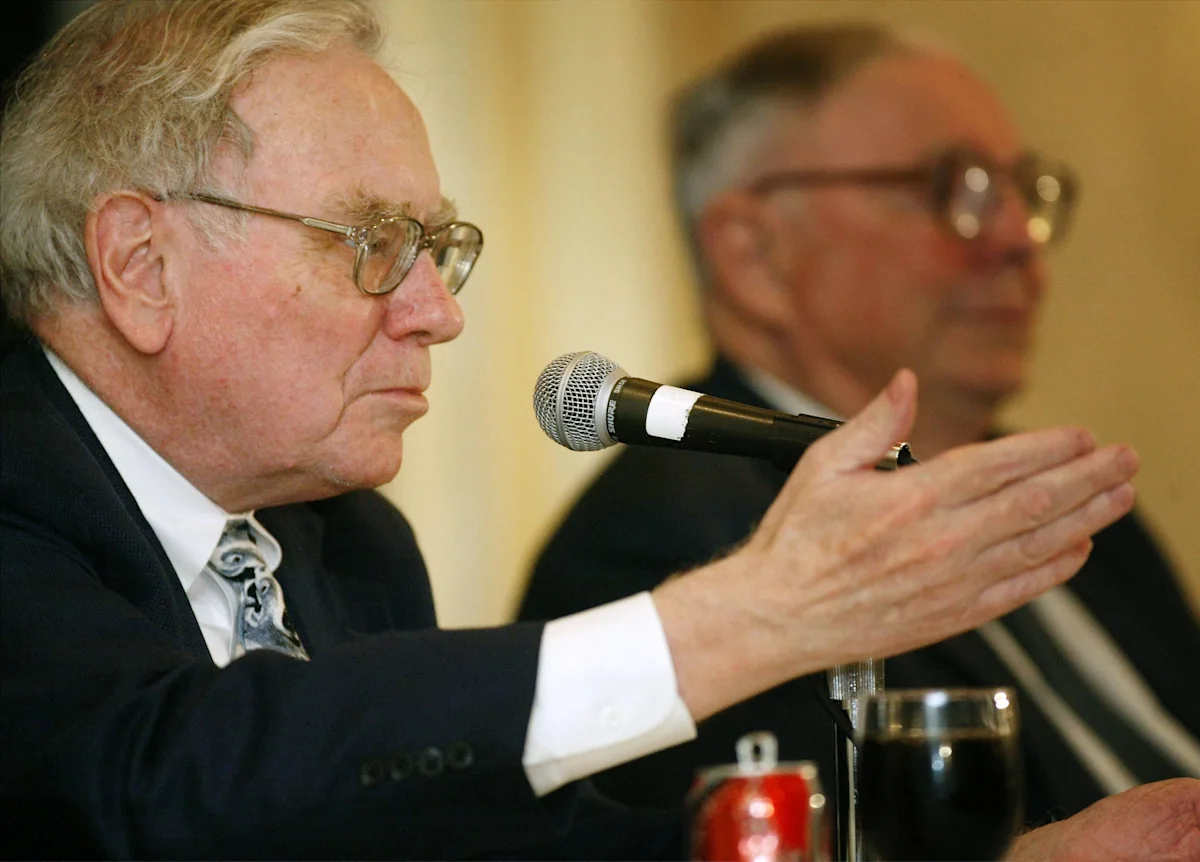
Warren Buffett spent years telling anyone who would listen that airlines were a terrible business to own. He described the industry as a "capital trap," a place where fuel costs and fare wars could erase profits almost overnight. When Covid hit, Berkshire Hathaway dumped its entire airline portfolio in 2020 — holdings that then spanned all four major US carriers, Delta among them — locking in steep losses. "The world has changed for airlines," Buffett said at the time.
It therefore says something that Berkshire (BRK.A) has now done the opposite. The conglomerate has been steadily building a position in Delta Air Lines (DAL), the world's largest airline, and the latest numbers show real conviction.
Berkshire lifts its Delta stake
According to recent 13F filings, Berkshire's stake in Delta jumped 44% during the second quarter of 2026, climbing to 57.3 million shares. The position was worth roughly $5.4 billion at the end of June. Those filings, which investment managers overseeing more than $100 million in US equities must submit to the Securities and Exchange Commission within 45 days of each quarter's close, show what a firm held as of June 30 — meaning the buying itself took place during the spring.
As reported in May, Berkshire had already built a Delta position worth about $2.6 billion as of the end of March 2026. That initial purchase came during Greg Abel's first quarter running Berkshire, after he took over as chief executive from Buffett in January. Abel had spent years overseeing Berkshire's non-insurance businesses and had been publicly designated as Buffett's successor back in 2021, making the Delta build-up one of the first large portfolio moves of his tenure.
Abel laid out his approach to shareholders in February. He wrote that Berkshire holds "core" positions it will not sell, but that outside those holdings the firm plans to stay disciplined and concentrated. The Delta purchase — and the decision to nearly double down on it a quarter later — fits that description closely.
Why Delta looks different now
Delta's numbers help explain the appeal. The airline reported record second-quarter revenue of $17.7 billion, up 14% from a year earlier, even though capacity only grew about 1%. Unit revenue growth came in at 12.4% for the quarter.
Pretax profit stood at $1.4 billion, with earnings of $1.56 per share and an operating margin of 9%, all ahead of the guidance Delta gave at the start of the quarter. Return on invested capital reached 11%, comfortably above the company's cost of capital.
Delta is also less dependent on ticket sales than it used to be. Diverse revenue streams — premium seating, loyalty programs, cargo, and maintenance work — made up 61% of total revenue in the quarter. Premium and loyalty revenue each grew nearly 20%. Cargo revenue jumped 39%, and the airline's third-party maintenance business grew more than 30%.
The American Express partnership is a big piece of that shift. Card spending has grown by double digits for seven straight quarters, and Delta expects to collect $9 billion from Amex this year, up 10% from 2025.
"Our Delta Amex co-brand card continues to lead the industry, and our recent portfolio enhancements are strengthening the value proposition for both existing and prospective cardholders," Delta CEO Ed Bastian stated.
Delta's balance sheet focus
Delta's total shareholders' equity has climbed steadily, from $15.3 billion at the end of 2024 to $20.9 billion at the end of 2025, and now sits at $21.8 billion. Long-term debt has been moving in the opposite direction, falling from $14 billion at the end of 2024 to $12.5 billion at the end of 2025, and down to $10.5 billion at the end of Q2.
Delta ended the June quarter with adjusted net debt of $13.6 billion, down from the start of the year, even as much of the airline industry raised additional capital. The company expects gross leverage to reach 2x by year-end, moving toward a long-term target of 1x. All three major credit rating agencies still rate Delta at investment grade.
Cash generation backs this up. The company produced $8.1 billion in operating cash flow on a trailing basis and $3.4 billion in free cash flow, even after spending $4.7 billion on capital projects such as new aircraft and lounges.
What Delta has signaled going forward
Delta is not backing off its outlook. The airline is guiding to full-year earnings of $6.50 to $7.50 per share, marking 20% growth from last year, along with $3 billion to $4 billion in free cash flow. Management also pointed to a longer-term goal of mid-teens operating margins and returns on invested capital.
On the July earnings call, Bastian argued that the industry itself has changed in ways that favor his airline specifically, pointing to reduced discount capacity, higher loyalty spending, and diversified revenue as reasons the current momentum should hold, even if fuel prices ease.
For Berkshire, which already walked away from airlines once, doubling its Delta stake in a single quarter suggests Abel and his team see something durable in the holding rather than a short-term rebound. The next round of quarterly disclosures — due within 45 days of the September quarter's close — will show whether Berkshire kept adding to the position, held it steady, or began to trim it.
This story was originally published by TheStreet on Aug 16, 2026, where it first appeared in the Investing section, and is syndicated via Yahoo Finance.

