Belarus Registers Its First Two Crypto Banks Under Hi-Tech Park Legal Regime
Key Takeaways
- •The Supervisory Board of Belarus's Hi-Tech Park has approved the registration of the country's first two crypto banks, which will operate as residents of the Minsk fintech under a special legal regime.
- •The two institutions must still be added to the National Bank's registry of crypto banks before they can transition from registration to full-scale operations.
- •The legal basis for crypto banks is Decree No. 19, signed by President Alexander Lukashenko on January 16, 2026, with the institutions subject to joint oversight by the Hi-Tech Park and the National Bank.
- •Officials including deputy secretariat head Dmitry Kalechits say the framework is intended to improve financial market efficiency, diversify instruments, protect savings, and attract investment.
- •Once fully operational, the crypto banks will be permitted to process transactions in 26 approved digital coins, including Bitcoin and Tether's USDT.
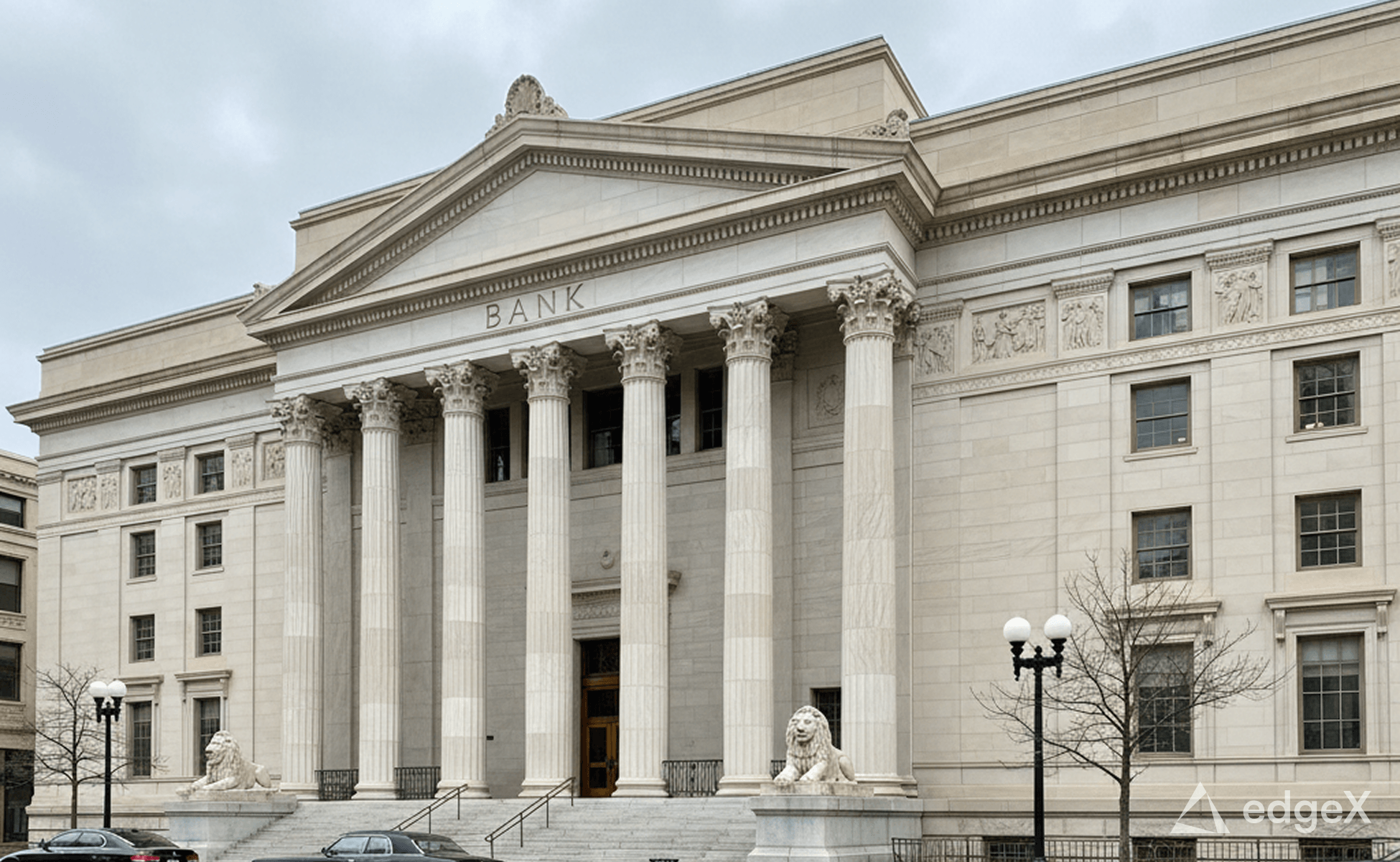
Belarus has registered its first two crypto banks, clearing the institutions to provide digital asset services as residents of the country's fintech hub in the capital, Minsk. It is the first such registration since the nation created the new type of entities, which combine cryptocurrency operations with traditional banking activities.
Crypto Credit Institutions to Launch Operations in Belarus
The Supervisory Board of the Belarus Hi-Tech Park (HTP) approved the registration of the two crypto banks at a meeting chaired by Prime Minister Alexander Turchin. According to an official announcement from the hub's press service on Monday, the body convened to further the implementation of the presidential decree that legalized the activities of such organizations.
The authorization, which was granted after the meeting, will allow the institutions to conduct operations with digital assets within the framework of the IT hub's special legal regime.
Anna Ryabova, head of the HTP Supervisory Board's Secretariat, described the development as a "significant milestone," noting that it took more than six months to establish the necessary regulations. "Today, two crypto banks are launching their operations in our country," she stated, highlighting the extensive collaboration with the National Bank of the Republic of Belarus (NBRB) in that regard.
The announcement said the two entities have already assembled teams of qualified specialists with practical experience in the crypto space and built the infrastructure needed to function properly, while undergoing technical and legal audits.
However, the process is not yet over. In order to commence full-scale operations, the two entities still need to be added to the monetary authority's registry of crypto banks, the announcement emphasized. That entry is the milestone to watch, as it will signal when the newly approved institutions can transition from registration to full-scale operations.
Belarus Pioneers Crypto Banking in Its Region
Belarus's long-term leader, Alexander Lukashenko, signed Decree No. 19 "On Crypto Banks and Certain Issues of Control in the Sphere of Digital Tokens" on January 16, 2026, as reported by Cryptopolitan. Since then, the HTP and the central bank have adopted a number of specific requirements for this category of service providers, a list of permitted transactions, and accounting and reporting rules.
These measures form the comprehensive legal framework that will govern the activities of Belarusian crypto banks, which will be overseen jointly by the High-Tech Park and the National Bank. The institutions will be subject both to the laws and regulations governing banks, financial organizations and non-bank credit institutions, and to the decisions of the supervisory board of the HTP in Minsk.
According to Dmitry Kalechits, deputy head of the board's secretariat, the dual approach will improve the efficiency of the Eastern European nation's financial market and diversify the available instruments. It should also create additional opportunities for protecting savings and conducting a wide range of financial transactions, ultimately contributing to the growth of citizens' prosperity, he elaborated.
The executive added that the new framework will bridge traditional finance and the crypto business, boost confidence in financial firms, and create conditions for attracting investment.
Belarus is a regional leader in terms of crypto regulation in the post-Soviet space. It legalized key activities such as mining and trading years ahead of its ally Russia, which only legalized them this summer.
The groundwork was laid by another presidential decree, No. 8 "On the Development of the Digital Economy," which Lukashenko issued in late 2017 and which entered into in the spring of 2018.
In the past few years — and especially since Belarus was also targeted with Western sanctions over its participation in Moscow's war on Ukraine — the popularity of cryptocurrencies has grown significantly. Lukashenko himself recognized this, admitting in the fall of 2025 that Belarusians were making billions of dollars worth of cross-border crypto payments and pushing for a real regulatory update.
In mid-May, it became clear that Belarus would permit its new crypto banks to process transactions involving 26 approved digital coins, including Bitcoin (BTC) and Tether's widely used stablecoin USDT, according to a prior Cryptopolitan report. For the two newly registered institutions, that list effectively defines the range of digital assets they will be able to handle once the final registry step is complete.

