BDACS Partners with ZEKTO and LK Ventures to Pilot KRW1 Stablecoin Payments at Life4Cuts Photo Booths
Key Takeaways
- •BDACS signed a memorandum of understanding with ZEKTO and LK Ventures to integrate its KRW1 stablecoin into payment systems at Life4Cuts photo booth locations across South Korea.
- •KRW1 is a fully backed digital token issued by BDACS that maintains a one-to-one value ratio with the South Korean won and is designed specifically for digital payments and settlements.
- •Life4Cuts was chosen for the pilot because its predominantly Gen Z and millennial customer base is already accustomed to mobile and digital payment methods.
- •South Korea's Virtual Asset User Protection Act took effect in July 2024 but does not yet comprehensively regulate stablecoin issuance, making this pilot a potential source of regulatory data.
- •The initiative is among the first in South Korea to use a regulated won-pegged stablecoin at a mainstream retail chain, as previous cryptocurrency payment pilots primarily involved volatile assets like Bitcoin.
BDACS Partners with ZEKTO and LK Ventures to Pilot KRW1 Stablecoin Payments at Life4Cuts Photo Booths
BDACS, a South Korean digital asset custodian, announced on August 10 that it has signed a memorandum of understanding (MOU) with cryptocurrency payment firm ZEKTO and LK Ventures — operator of the popular self-service photo booth brand Life4Cuts — to introduce a won-denominated stablecoin payment system. According to Yonhap News Agency, the pilot program will integrate BDACS-issued KRW1 into payment and settlement processes at Life4Cuts offline retail locations.
Bringing Stablecoin Payments to Mainstream Retail
The collaboration represents one of the earliest efforts to deploy a regulated, won-pegged stablecoin in a mainstream consumer setting in South Korea. Life4Cuts operates hundreds of self-photo booths nationwide, with a customer base predominantly composed of younger consumers. The brand, known in Korean as Insaengneonkkeot, has become a cultural fixture among Gen Z and millennial Koreans, making it a fitting venue to test whether stablecoins can gain traction among demographics already comfortable with digital wallets and mobile payments. By enabling KRW1 payments at these venues, the pilot seeks to evaluate the practical viability of stablecoins for micro-transactions and everyday point-of-sale purchases.
BDACS, which offers institutional-grade custody services, has positioned KRW1 as a fully backed, transparent digital representation of the Korean won, maintained at a 1:1 value ratio. The company has been actively pursuing partnerships designed to bridge traditional finance and blockchain-based payment infrastructure. ZEKTO, the payment solutions provider in the partnership, contributes expertise in merchant integration and settlement systems.
Regulatory Context
South Korea has taken a cautious yet increasingly structured approach to digital asset regulation. The country's Virtual Asset User Protection Act, which went into effect in July 2024, established a legal framework covering exchanges and custodians but does not yet comprehensively address stablecoin issuance. Separately, the Bank of Korea has been actively researching a central bank digital currency (CBDC) and its potential interaction with privately issued stablecoins. South Korea ranks among the world's most active retail cryptocurrency trading markets by volume, which has added urgency to efforts by both regulators and industry to develop clear rules for digital asset payments and stablecoin issuance.
The pilot could generate useful empirical data for regulators assessing how stablecoins perform in high-frequency, low-value transaction environments. It also reflects growing interest among traditional retail operators in accepting digital currency payments — a trend already observed in other Asian markets including Japan and Singapore. Globally, the stablecoin market remains dominated by U.S. dollar-pegged tokens such as Tether (USDT) and Circle's USDC, while non-USD stablecoins like KRW1 represent a comparatively small but growing segment as jurisdictions from the European Union to East Asia develop their own regulatory frameworks.
Significance for Digital Asset Adoption
A successful Life4Cuts pilot could function as a proof-of-concept for broader retail adoption across South Korea. If KRW1 transactions demonstrate efficiency, cost-effectiveness, and a seamless user experience, it may encourage other merchants to integrate stablecoin payments. For consumers, stablecoins potentially offer faster settlement and lower fees compared to conventional card networks, though the extent of those benefits in a market already served by widely adopted mobile payment platforms such as KakaoPay, NaverPay, and Toss remains to be demonstrated.
Industry observers have noted that Life4Cuts represents a strategic choice for the pilot. The brand's tech-savvy, predominantly young demographic is more inclined to adopt digital payment methods, while the small-ticket nature of photo booth services creates a relatively low-risk testing environment. The pilot's results are expected to draw close attention from both fintech firms and traditional financial institutions.
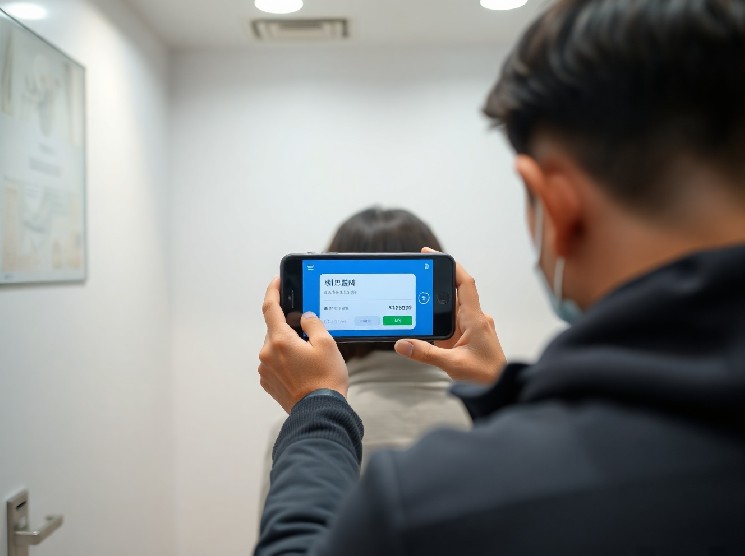
KRW1 is a won-denominated stablecoin issued by BDACS and designed to maintain parity with the South Korean won, intended specifically for use in digital payments and settlements. Under the pilot, customers at Life4Cuts will be able to pay for photo booth services using KRW1 through a payment system integrated by ZEKTO.
While this is not the first cryptocurrency payment initiative in South Korea, it is among the first to employ a regulated, won-pegged stablecoin within a mainstream retail chain. Previous pilots in the country have primarily involved volatile cryptocurrencies such as Bitcoin or Ethereum.
Next Steps
The BDACS–ZEKTO–LK Ventures MOU marks a concrete step toward embedding stablecoins into everyday commerce in South Korea. Although the pilot remains in its early stages, stakeholders across the payments, regulatory, and retail sectors will be monitoring the program for evidence that stablecoins can deliver measurable benefits in real-world transactions while maintaining security and a positive user experience.

