Fed's Barkin Signals Rate Hikes Still on the Table Amid Persistent Inflation
Key Takeaways
- •Thomas Barkin said the Fed could raise interest rates again if inflation fails to return to 2%.
- •The Federal Open Market Committee has held the federal funds target range at 3.50% to 3.75% since the start of 2026.
- •Market pricing has modestly lowered expectations for near-term rate cuts after Barkin's comments.
- •Investors will watch the Consumer Price Index and employment reports for clues about the Fed's next move.
- •The Fed's September meeting and updated economic projections are expected to provide more detail on the policy outlook through the end of 2026.
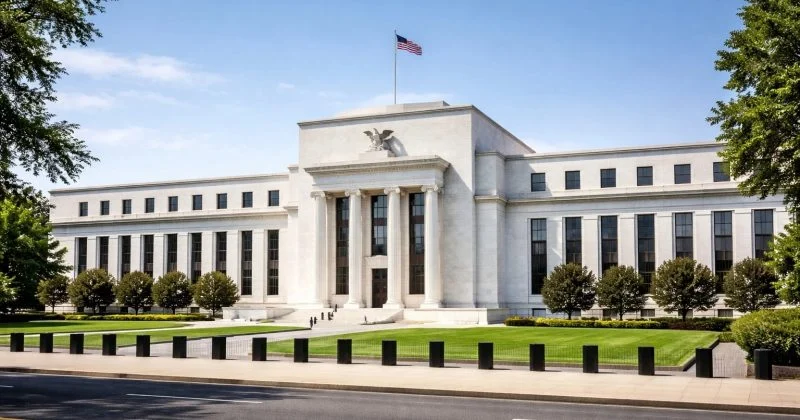
Federal Reserve Bank of Richmond President Thomas Barkin indicated that additional interest rate hikes remain a viable policy tool should inflation fail to return to the central bank's 2% target, underscoring ongoing unease among policymakers about the trajectory of price pressures.
Barkin's comments come with inflation still running above the Federal Reserve's longstanding objective, more than a year after the central bank began easing monetary policy. The Federal Open Market Committee (FOMC) has held the federal funds target range steady at 3.50%–3.75% since the start of 2026, reflecting a cautious approach as officials balance the risk of resurgent inflation against signs of cooling economic activity. That balancing act reflects the Fed's dual mandate of price stability and maximum employment, which requires policymakers to weigh inflation risks against the potential for overly tight policy to constrain hiring and growth.
The Richmond Fed president's remarks suggest that at least some FOMC participants are open to resuming monetary tightening if price pressures do not continue to moderate. The federal funds rate, which serves as the benchmark for short-term borrowing costs across the U.S. economy, influences everything from mortgage rates to credit card interest and has been the Fed's primary instrument for managing inflation since 2022.
Market participants have responded to the uncertain policy outlook by modestly reducing expectations for near-term rate cuts, according to pricing in interest rate futures markets. The shift reflects growing recognition that the Fed's next move is not necessarily downward, particularly if upcoming economic data continues to show inflationary persistence.
Investors will be closely watching the next round of economic indicators, including the Consumer Price Index and employment reports, for clues about the Fed's policy direction. The FOMC's September meeting is expected to serve as a key inflection point, with the central bank's updated Summary of Economic Projections providing additional insight into officials' expectations for rate movements through the end of 2026. Barkin's public remarks are part of a broader pattern of FOMC communications in which regional Fed presidents use speeches and interviews to signal their individual policy leanings ahead of formal meetings, giving markets a window into the range of views within the committee.
Barkin's stance aligns with broader concerns that the final stretch of inflation's return to target may prove more challenging than anticipated, requiring policymakers to maintain a restrictive posture for longer than markets had previously assumed. The difficulty of distinguishing between transitory price shocks and more entrenched inflationary trends has repeatedly complicated the Fed's calibration of policy since inflation first surged in 2021, and Barkin's comments suggest that challenge remains unresolved.
