Major banks plan joint dollar stablecoin for 2027
Key Takeaways
- •The consortium now includes 21 financial institutions, with 10 members from North America and eight from Europe.
- •The banks aim to launch a dollar stablecoin in the first half of 2027 and later expand to additional G7 currencies, starting with the euro.
- •The group has not disclosed the company name, token name, blockchain networks, reserve custodian, governance structure or redemption terms.
- •A separate alliance of 37 institutions has formed Qivalis to pursue a euro stablecoin, potentially as early as 2026.
- •The planned launch is being shaped by the US GENIUS Act and the EU’s MiCA framework, while the market is currently dominated by Tether and Circle.
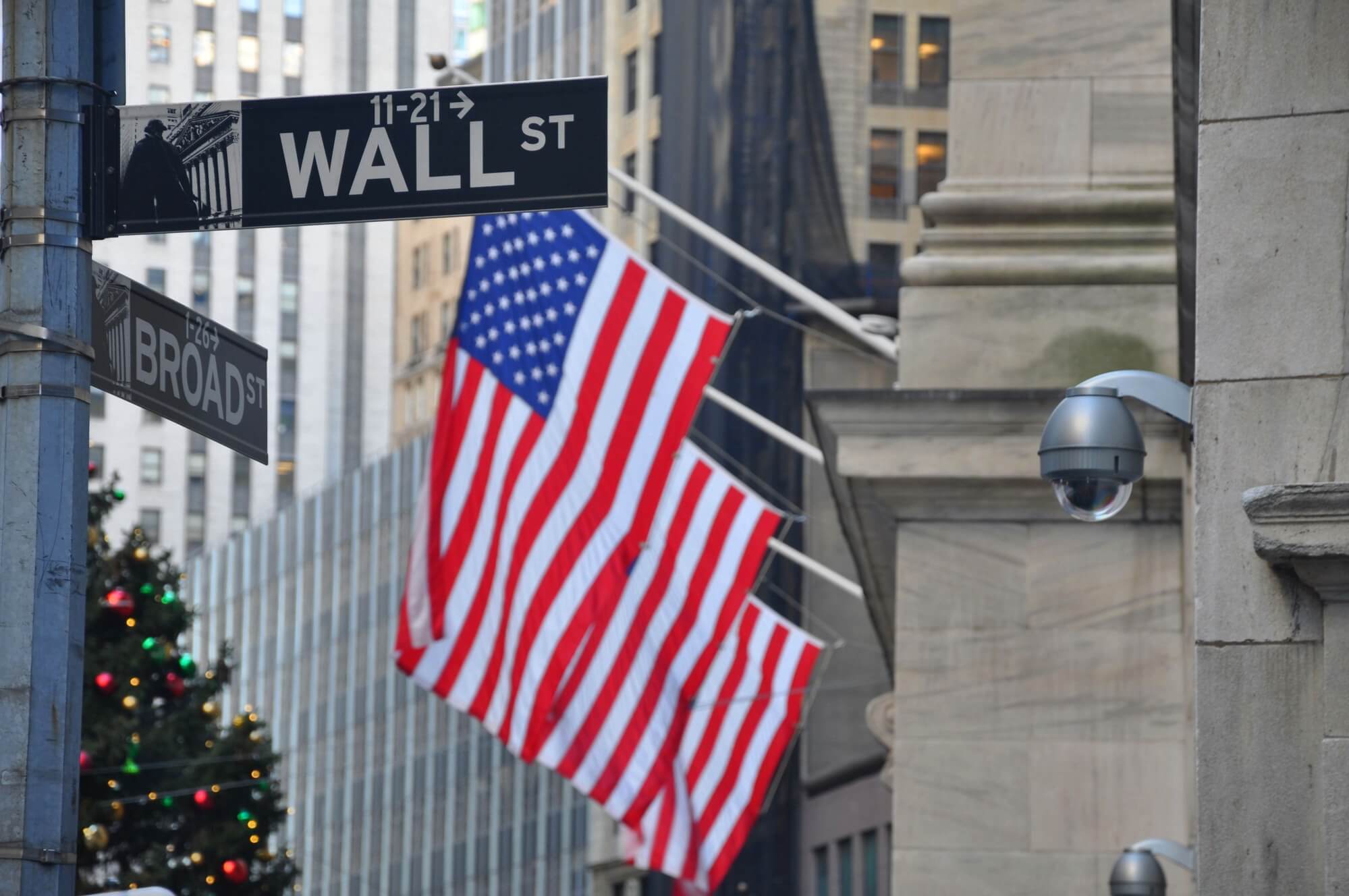
Twenty-one financial institutions, including Goldman Sachs, Bank of America, Citi, Deutsche Bank and UBS, have announced the formation of a joint company. The banks aim to launch a joint dollar stablecoin in the first half of 2027.
A stablecoin is a cryptocurrency whose price is pegged to a fiat currency. Its supply is backed by reserves on a 1:1 basis. As a result, such tokens can serve as a means of payment and settlement without price volatility. The planned venture would combine that function in a bank-owned special purpose company. In doing so, the participating institutions would build their own infrastructure rather than relying on third parties such as Tether or Circle. The group initially consisted of ten banks in October 2025 and now includes 21 members from North America, Europe, East Asia, the Middle East and Africa. The token is intended to run on public blockchains, placing the project in the same broader payment infrastructure debate that has already shaped crypto markets and bank digital-asset strategies. Later, the consortium plans to support additional G7 currencies, starting with the euro.
Ten banks grow into a 21-member consortium
Since the first announcement in October 2025, the group has more than doubled in size. Ten of the 21 members are based in North America. They include Bank of America, Capital One, Citi, Fidelity Investments and Goldman Sachs. Other North American members are PNC Financial Services, Scotiabank, TD Bank Group, Wells Fargo and WisdomTree.
Europe contributes eight institutions: Banco Santander, BBVA, Commerzbank, Crédit Agricole, Deutsche Bank, Lloyds Banking Group, Rabobank and UBS. The remaining three members represent other regions: MUFG Bank for East Asia, Sirius International Holding for the Middle East and Standard Bank for Africa.
Not all of the participants are banks. Fidelity Investments and WisdomTree are asset managers that also belong to the group. North America and Europe together account for 18 of the 21 institutions. East Asia, the Middle East and Africa contribute one member each. The consortium is therefore weighted toward the transatlantic region, even though it presents itself as global.
The announcement was issued as a collective statement from the group. It did not include a named spokesperson from any individual bank. The company itself is expected to emerge in 2026, with the token following a year later. However, several key details remain undisclosed. The name of the company has not been announced, nor has the token’s name. The consortium has also not revealed which blockchain networks it will use. The custodian of the reserves, the governance structure and the final redemption terms have likewise not been disclosed. The formation also remains subject to the usual closing conditions, meaning the timeline reflects intent rather than a fixed launch date.
Dollar and euro camps form separately
At the same time, a separate banking alliance is forming around the euro. A consortium of 37 financial institutions has founded the company Qivalis for that purpose. It plans to launch a euro stablecoin as early as 2026, which would bring it to market before the dollar group. In terms of size, the European camp is larger than the dollar consortium, which has 21 institutions. Both projects are pursuing the same objective: bank-owned settlement in the respective reserve currency.
One overlap stands out, as BBVA belongs to both alliances. The Spanish bank is keeping both paths open. The dollar consortium also intends to extend its token to additional G7 currencies later, with the euro as the first priority. No timeline has been provided for that expansion. Both groups are therefore moving toward the same currency area over the medium term. Whether they will cooperate or compete remains unclear.
Stablecoin infrastructure is becoming a competitive field among banking groups. Until now, the segment has been dominated by competition between crypto issuers. In the short term, the issue is token issuance. Over the medium term, control over payment and settlement flows is at stake. The issuer of a token also controls the reserves behind it. That makes the choice of infrastructure a strategic decision for European banks, especially as multiple regulated models begin to emerge in parallel.
Tether and Circle dominate the dollar stablecoin market
Two issuers already dominate the market the banks are entering. Tether and Circle issue the two largest dollar stablecoins, USDT and USDC. Together, the two tokens account for the bulk of global supply and are standard on crypto trading venues.
Tether also earns billions in profit by investing its reserves, including in US Treasuries. That revenue stream is an obvious reason for banks to stop leaving the field to third parties. In structure, the planned bank token would not differ greatly from the established offerings. However, an earlier banking attempt failed to gain traction. Société Générale launched the first dollar-backed stablecoin issued by a major bank in 2025 through its digital asset subsidiary, but only USD 12.5 million were in circulation according to figures on its own website.
Société Générale is not part of either consortium. A banking brand alone is not enough. The difference between that effort and the current plan lies in distribution. A group of 21 institutions covers far more client relationships than a single bank, which helps explain why the consortium model is being tested now. Whether demand grows will ultimately depend on whether companies prefer a bank-issued token to USDT or USDC. So far, demand for bank-issued stablecoins has remained limited.
GENIUS Act and MiCA set the timeline
The planned launch comes during a regulatory transition period. US President Donald Trump signed the GENIUS Act in July 2025. Before that, the United States lacked a uniform federal framework for stablecoins. The law sets rules on reserve requirements, redemption rights, disclosure obligations and custody. Issuers with more than USD 10 billion in issuance volume also fall under federal supervision.
The relevant agencies missed the statutory deadline of 18 July 2026 for final rules. In February 2026, the OCC first published a draft regulation. The Treasury Department has opened a comment period on the draft until 19 October 2026. Until that process is completed, issuers are operating under the statutory text without final implementing rules. Even so, the law takes full effect by 18 January 2027 at the latest. The planned token launch therefore falls directly within this window.
In the European Union, the framework is already in place. The stablecoin rules under MiCA have applied since 30 June 2024. On 1 July 2026, the transition period for crypto service providers without MiCA authorization ended. The consortium wants to structure its token under both the GENIUS Act and MiCA, where applicable. Switzerland has its own framework. MiCA does not apply there; instead, issuance is governed by the DLT Act and FINMA supervision under the principle of same risk, same rules. Swiss institutions therefore have more flexibility on reserve mechanisms, but they do not have the EU-wide passporting right that comes with MiCA authorization.

