Bank of Russia Proposes 300,000-Ruble Annual Crypto Purchase Cap for Retail Investors
Key Takeaways
- •Non-qualified investors would be limited to 300,000 rubles in approved cryptocurrency purchases per intermediary annually, with the cap applying separately to each intermediary category such as brokers, crypto exchange services and asset managers.
- •Bitcoin, Ethereum and Tether's USDT would form the initial list of assets eligible for public exchange trading, with eligible cryptocurrencies required to have at least five years of trading data on other markets.
- •Qualified investors would be exempt from the retail purchase cap and could trade cryptocurrencies on both exchange and over-the-counter markets, while all investors must undergo testing and review crypto investment risks before investing.
- •The Bank of Russia's public consultation on the draft instruction runs from August 17, 2026 to August 24, 2026, allowing stakeholders to submit feedback before the framework is finalized.
- •The draft marks a shift from the central bank's January 2022 proposal to ban crypto issuance, circulation and mining toward tightly rationed regulated access, implementing the federal cryptocurrency law in force since the start of 2026.
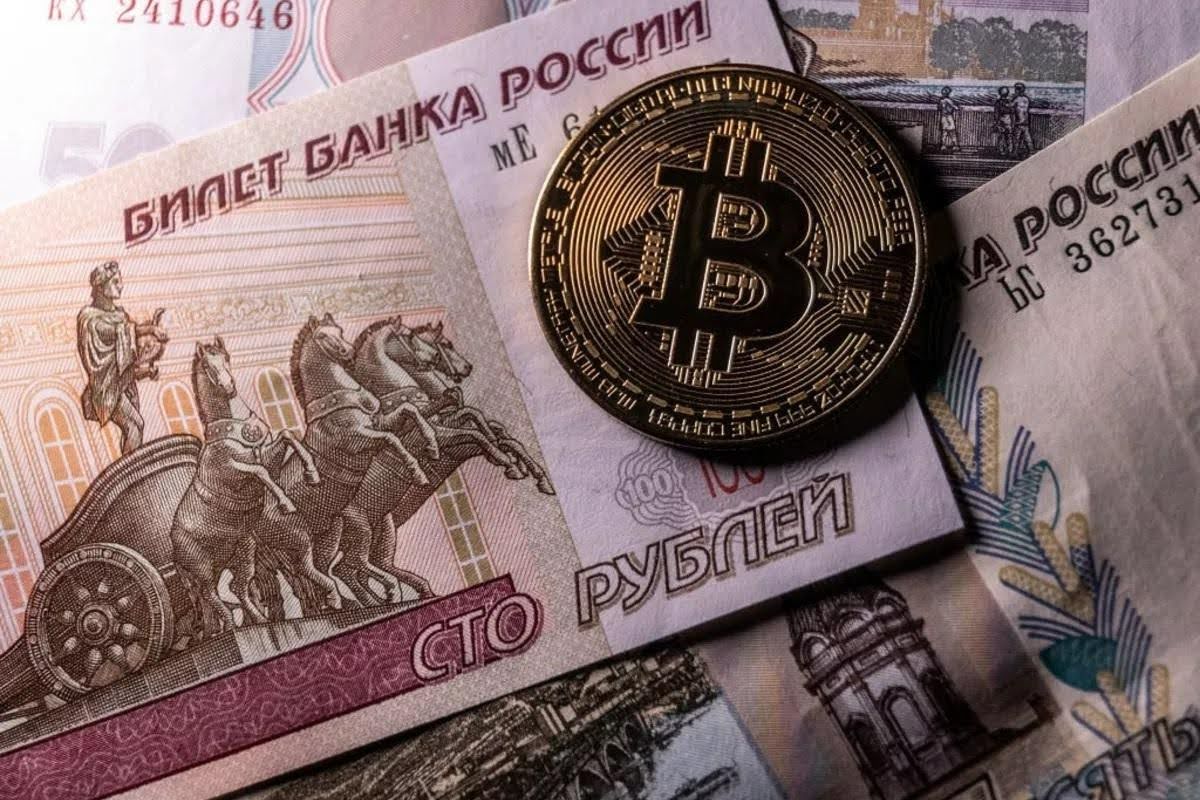
The Bank of Russia has unveiled draft regulations that would introduce tighter controls over retail cryptocurrency investment while opening a regulated path for a small set of highly liquid digital assets. Under the proposed framework, non-qualified investors would be able to buy no more than 300,000 Russian rubles worth of approved cryptocurrencies per year through each intermediary — an amount equivalent to a few thousand U.S. dollars at recent exchange rates — while Bitcoin (BTC), Ethereum (ETH) and Tether's USDT would form the initial list of assets available for public exchange trading. The draft instruction fills in the retail-access details of a legal framework that has taken shape rapidly over the past two years: Russia legalized industrial crypto mining in August 2024, opened an experimental regime allowing cryptocurrency for cross-border settlements, and adopted a federal law in August 2025 that recognizes crypto as property while banning its use as a means of payment for goods and services. The central bank's public consultation on the draft instruction runs from August 17, 2026 to August 24, 2026 (Bank of Russia announcement).
Bitcoin, Ethereum and USDT make the initial list
Under the draft rules, only cryptocurrencies meeting specific liquidity and market-history requirements would be permitted for public trading on exchanges. The initial list comprises Bitcoin (BTC), Ethereum (ETH) and Tether's USDT — respectively the two largest cryptocurrencies by market capitalization and the largest stablecoin.
The regulator said its selection is based on factors including market capitalization, average daily trading volume and price-history data from foreign markets. Eligible cryptocurrencies must have a minimum of five years of market trading data available on other markets, a criterion that favors established, liquid assets over smaller or newer tokens.
The framework is designed to limit retail investors' exposure to crypto assets that can carry unpredictable and volatile prices.
Retail purchases capped at 300,000 rubles per intermediary
As set out in the proposed rules, non-qualified investors would be able to purchase up to 300,000 Russian rubles worth of qualified cryptocurrencies per intermediary per year. The limits would apply independently across different categories of intermediaries, such as brokers, crypto exchange services and asset managers, meaning the restriction operates at the intermediary level rather than as a single aggregate annual cap per investor.
The Bank of Russia described the measure as a form of consumer protection for retail participants entering the crypto market. The cautious sizing is consistent with the central bank's long-standing posture toward crypto: in a January 2022 report it proposed banning the issuance, circulation and mining of cryptocurrencies outright, and the current draft marks a shift from prohibition toward tightly rationed, regulated access.
Qualified investors get wider access
The draft framework establishes differentiated treatment for qualified investors, who would be permitted to purchase cryptocurrencies traded on both exchange and over-the-counter markets without the proposed retail purchase limit.
The rules would create a clear distinction between the two investor categories: retail investors face restrictions on access, while more experienced and sophisticated investors gain access to a wider variety of crypto assets.
All investors, including registered investors, would be required to undergo tests and review the risks of investing in cryptocurrencies before engaging in such investments, according to the rules. The testing requirement extends the suitability-testing model the Bank of Russia already applies to non-qualified investors buying complex financial instruments in the securities market.
Public consultation open until August 24
The asset-selection and limit proposals are contained in a draft regulatory instruction that is currently under discussion. The Bank of Russia's public consultation on the draft document started on August 17, 2026 and will run until August 24, 2026, allowing industry stakeholders to provide feedback before the framework proceeds to implementation. The instruction is intended to put into practice the retail-access provisions of the federal cryptocurrency law in force since the start of 2026, under which crypto transactions for non-qualified investors are confined to platforms operating within the regulated perimeter, and its final wording will determine how the eligible-asset list and the per-intermediary cap operate in practice.
The proposal would open the way to a regulated model for Russia's crypto market and technology, with Bitcoin, Ethereum and USDT designated as the assets for public trading, broader access granted to qualified investors and increased restrictions placed on retail investors.

