Bank of Korea Surveys 31 Banks and Brokerages on Cryptocurrency Risk Exposure
Key Takeaways
- •The Bank of Korea is surveying 18 banks and 13 brokerages to assess their exposure to cryptocurrency risks, requiring disclosure of crypto operations, staffing, budgets, and investments in domestic and overseas digital asset companies.
- •The questionnaire tests scenarios including a temporary suspension of South Korea's largest crypto exchange after a major hack, a sharp price decline followed by prolonged trading slowdown, and spillover from losses at another financial institution.
- •The survey started before last week's reported $6.3 billion hack of Binance, which US authorities attributed to North Korean hackers, and responses are reportedly due Wednesday.
- •Financial firms are continuing stablecoin preparations — including KB Financial Group's won-pegged stablecoin pilot in May and Kakao Pay and KakaoBank's September partnership with Fireblocks — while disagreements over issuance rights delay the Digital Asset Basic Act.
- •In October, the Financial Services Commission proposed tougher cybersecurity requirements after identifying deficiencies at 130 of 555 financial companies, following security incidents involving 16 firms including crypto exchanges.
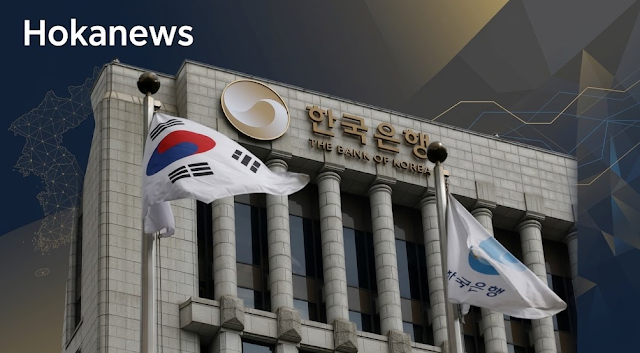
The Bank of Korea has launched a survey of 31 financial institutions — 18 banks and 13 brokerages — to assess their exposure to cryptocurrency-related risks, according to The Herald Business and Yonhap, citing financial industry sources. Participating institutions have been asked to disclose details of their cryptocurrency-related operations, staffing, budgets and investments in domestic and overseas digital asset companies.
The review comes as South Korean financial firms explore stablecoin services and digital asset infrastructure, while regulatory disagreements continue to delay progress on the country's proposed Digital Asset Basic Act.
Central Bank Examines Major Crypto Risk Scenarios
The questionnaire examines how financial institutions might be affected if South Korea's largest cryptocurrency exchange by market share temporarily suspended operations following a major hack or similar incident. Other scenarios include a sharp cryptocurrency price decline followed by a prolonged slowdown in trading activity, as well as the potential consequences of another financial institution suffering substantial losses from a cryptocurrency-related event.
Taken together, the scenarios map the main ways crypto stress could reach regulated lenders and brokers: disruption at a dominant trading platform, market-wide price and volume shocks, and spillover from losses at another institution.
Financial firms are also being asked about their reasons for entering the virtual asset market, the nature of their business activities, and the amount of capital they have invested in cryptocurrency companies operating in South Korea and abroad.
The survey began before last week's reported $6.3 billion hack of Binance. However, the incident illustrates the type of security-related disruption being examined by the central bank. US authorities have attributed the attack to North Korean hackers.
Responses to the survey are reportedly due on Wednesday.
Financial Firms Press Ahead With Stablecoin Preparations
The Bank of Korea's review comes as domestic financial institutions continue exploring stablecoin products and supporting infrastructure despite delays in the country's virtual asset regulatory framework.
KB Financial Group completed a pilot involving a won-denominated stablecoin — a digital token pegged to the South Korean won — in May. In September, Kakao Pay and KakaoBank partnered with Fireblocks to explore digital asset infrastructure.
The Bank of Korea has advocated a bank-led approach to stablecoin issuance. However, disagreements over which institutions should be allowed to issue the tokens have complicated work on the proposed Digital Asset Basic Act. A Bank of Korea official told The Korea Herald that financial institutions were preparing independently even as legislation governing virtual assets progressed more slowly than the market had expected.
Regulators Sharpen Focus on Financial Cybersecurity
South Korean regulators have also moved to strengthen cybersecurity oversight across the financial sector. In October, the Financial Services Commission proposed tougher security requirements after identifying deficiencies at 130 of 555 financial companies. The proposed measures include more frequent vulnerability assessments and greater accountability for senior executives, and they follow security incidents involving 16 companies, including cryptocurrency exchanges.
The central bank's survey and the Financial Services Commission's proposals address different aspects of financial-sector risk, but both underscore the growing regulatory focus on cybersecurity and the potential consequences of digital asset-related incidents for financial institutions. With survey responses reportedly due Wednesday, and with both the Digital Asset Basic Act and the FSC's proposed security requirements still pending, the next milestones for South Korea's institutional digital asset sector are close at hand.
Source: Cointelegraph

