Bank of Korea Expected to Raise Rate to 3.25% as Chip Boom Fuels Growth and Inflation
Key Takeaways
- •The Bank of Korea is widely expected to increase its benchmark rate by 0.25 percentage point on Thursday, bringing it to 3.25 percent, the highest level since October 2024.
- •Korea's economy grew 3.4 percent year-on-year in the third quarter, well above the central bank's 2.6 percent forecast, powered by stronger-than-expected semiconductor exports.
- •Consumer inflation eased to 2.8 percent in October from 2.9 percent in September but stayed above the BOK's 2 percent target, while core inflation held at 2.8 percent.
- •A anticipated Federal Reserve rate hike in December could widen the interest rate gap, risking capital outflows and renewed downward pressure on the won.
- •The BOK is expected to raise its growth forecasts, with the Korea Development Institute and IMF projecting 2026 growth of 3.8 percent and 3.9 percent, respectively, up from the BOK's previous 3.3 percent estimate.
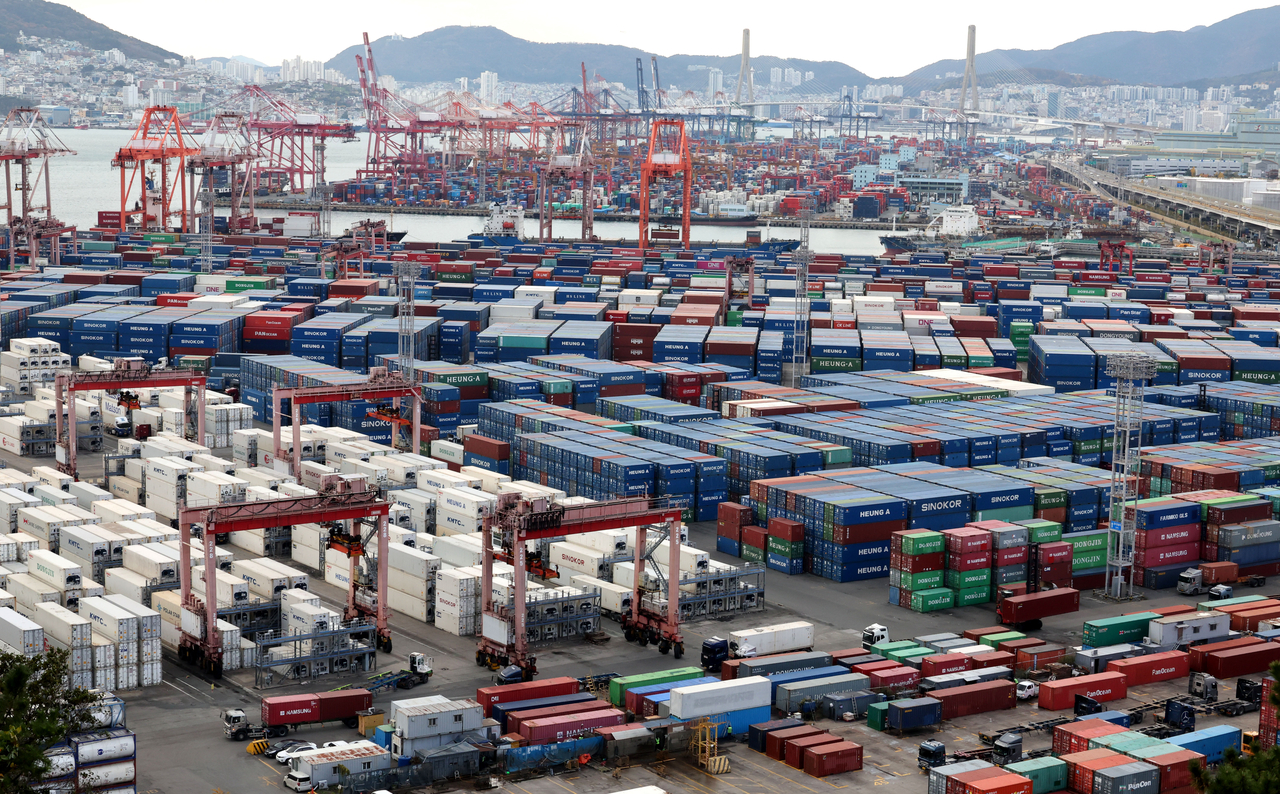
The Bank of Korea is widely expected to lift its benchmark interest rate by 0.25 percentage point at its meeting on Thursday, as resilient growth fueled by a semiconductor boom adds to inflationary pressures in the economy.
The central bank held its base rate steady at 3 percent at its October meeting, citing the need to assess the effects of its rate hikes in May and July. Markets, however, anticipate a move this week. A quarter-point increase would take the benchmark rate to 3.25 percent, its highest level since October 2024, resuming a tightening cycle that has been on hold since the July hike.
Korea's robust economic expansion, driven by a stronger-than-expected semiconductor export boom, strengthens the case for a rate hike. At a press conference following the previous rate-setting meeting, BOK Gov. Shin Hyun-song said the next decision would be based on third-quarter economic growth and October inflation data — indicators that have since underscored both strong momentum and persistent price pressure.
Powered by booming chip exports, the economy grew 3.4 percent year-on-year in the third quarter, significantly exceeding the central bank's forecast of 2.6 percent. Consumer inflation edged down to 2.8 percent in October from 2.9 percent in September but remained above the BOK's 2 percent target. Core inflation, which excludes food and energy, held at an elevated 2.8 percent.
"Exports and investment, led by the semiconductor sector, remain strong, while the domestic demand recovery is gaining traction, keeping economic growth stronger than expected," said Ahn Ye-ha, an analyst at Kiwoom Securities. "With resilient growth also adding to demand-side inflationary pressures, the BOK is expected to raise the rate further."
External conditions add to the tightening case. The US Federal Reserve is also expected to raise its target rate by 0.25 percentage point at its December meeting, adding pressure on the BOK to tighten monetary policy. Although the won has recently strengthened against the dollar, a widening of the interest rate gap could accelerate capital outflows and renew downward pressure on the Korean currency.
The BOK is also expected to raise its growth forecast for 2026. Its previous projection stood at 3.3 percent, but annual growth would reach 3.6 percent even if the economy recorded zero growth in the fourth quarter, making an upward revision all but inevitable. The Korea Development Institute and the International Monetary Fund have already upgraded their projections for Korea to 3.8 percent and 3.9 percent, respectively, and the central bank is expected to follow suit.
The BOK's 2027 outlook is drawing close attention. The central bank had previously forecast 2.9 percent growth, reflecting earlier views that expansion would slow after this year's exceptional semiconductor-driven surge. Expectations have since shifted as major institutions raised their own projections. The KDI, in particular, lifted its forecast for next year's growth to 3.9 percent, up 1.7 percentage points from its estimate three months earlier.
"Except in highly unusual circumstances, the gap between the KDI's and the BOK's growth forecasts has generally been within 0.1 percentage point. The BOK could also deliver a sizable upward revision to its 2027 outlook, in line with the KDI's projection," said Kim Chan-hee, an analyst at Shinhan Securities.
With the decision resting on data the governor flagged in advance, attention on Thursday will center not only on whether the benchmark rate reaches 3.25 percent but also on how far the bank's updated growth projections move toward the upgraded views of the KDI and the IMF.
Source: Korea Herald

