Bank of England handed new objective to drive payments and digital currency innovation
Key Takeaways
- •The Bank of England will receive a new secondary objective focused on innovation in payments and digital currencies.
- •The Treasury plans to implement the change through amendments to the Financial Services and Markets Bill.
- •The Bank will be required to report annually on progress against the new objective.
- •The move follows Labour’s National Payments Vision, which promised reforms to support open banking and fintech.
- •The Payment Systems Regulator is being abolished and its functions are set to be consolidated into the Financial Conduct Authority by 2027 at the earliest.
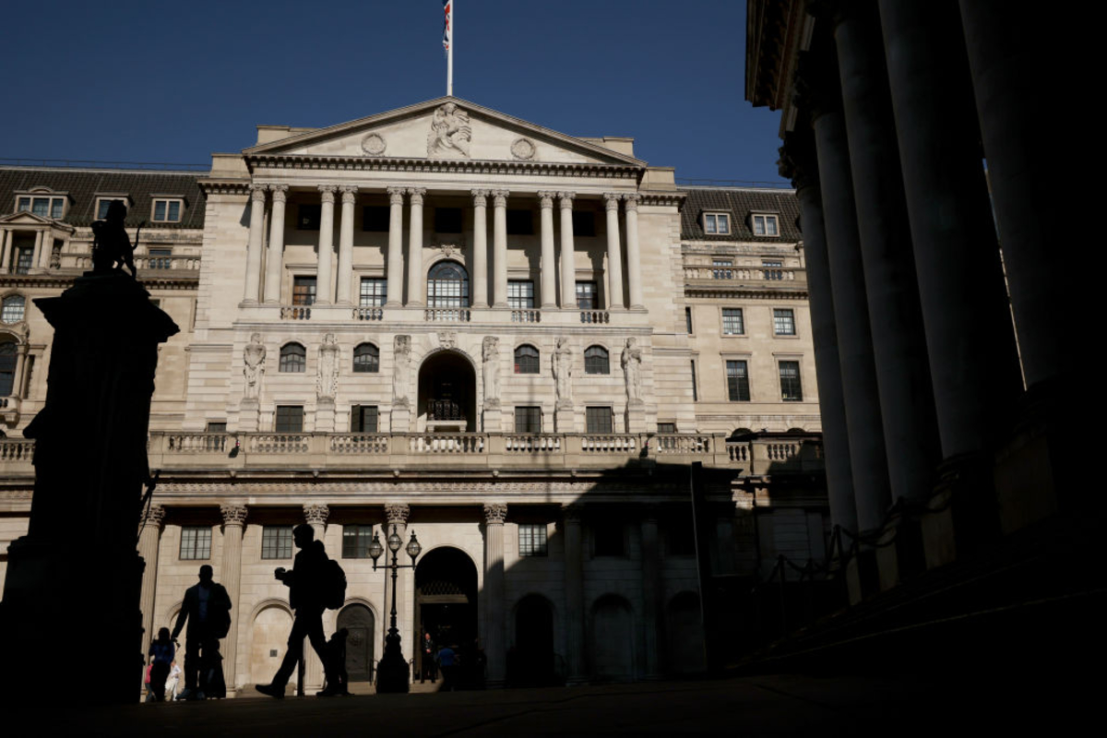
The Bank of England will be held to account on its progress in modernising UK payments regulation after ministers handed the central bank a new objective.
The Bank is to be given a new secondary objective to support innovation in payment systems and new forms of digital currencies, sitting alongside its primary goal of financial stability. The mandate mirrors the secondary growth and international competitiveness objectives handed to the Financial Conduct Authority and the Bank’s own Prudential Regulation Authority under the previous Financial Services and Markets Act. It also lands on ground the Bank already occupies: it operates the CHAPS high-value settlement system, is part-way through a multi-year renewal of its real-time gross settlement (RTGS) infrastructure, and has spent several years examining a retail central bank digital currency — a “digital pound” — with the Treasury, though no decision to build one has been taken.
The Treasury is set to implement the changes through amendments to the Financial Services and Markets Bill, which heads to the House of Lords for scrutiny in September. The Bank will report against the objective annually.
City Minister Lucy Rigby said: “Whilst financial stability will always remain the Bank’s primary objective, this secondary objective will support the Bank to continue to drive innovation in payments and digital finance, ensuring that the UK remains a global leader in financial services.”
Payments overhaul faces criticism over progress
Labour came to power promising an overhaul of the payments sector, with updated regulation designed to support innovation. Former Chancellor Rachel Reeves unveiled her National Payments Vision (NPV) in her 2024 Mansion House address, saying the plan would include “decisive action to progress opening banking and support our fintech businesses”.
Progress has thus far remained sluggish, however, and the programme has faced criticism for shaping up to be more of a “reshuffle than a reform”. The Bank’s new annual reporting will give Parliament and industry a formal, public measure of delivery against that overhaul.
The Payments Association, the industry body for the payments sector, last year sounded the alarm on its relationship with the FCA and the Bank of England, calling on the government to ensure the Bank has veto rights over the City watchdog.
Last March, Labour axed the Payment Systems Regulator (PSR), which was brought into existence in 2013 to police the designated interbank systems — including Bacs and Faster Payments — that process the bulk of UK retail payments, as part of its bid to drive growth.
In a Treasury Committee hearing earlier this year, David Geale, managing director at the PSR, said the abolition of the body would not formally come to fruition until the first quarter of 2027 at the earliest.
Questioned on whether there had been any “practical difference” since the announcement that the PSR would be consolidated into the Financial Conduct Authority, Geale said “[staff] were largely doing the same thing”.
“I would anticipate as we consolidate further into the FCA there will be some efficiencies,” Geale told lawmakers.
The PSR chief said some efficiencies had already been achieved by not replacing senior colleagues who had departed the regulator. He added that the Budget the PSR had for the year was £28m, which it expects to come “reasonably under”.
At the City and Financial Global’s Payments Regulation and Innovation Summit in February, chair Natalie Lewis, who serves as head of payments at Travers Smith, applauded recent regulatory progress but said the industry was still “waiting for the coin to drop”.

