Why the Bank of England Museum Is a One-of-a-Kind City Attraction
Key Takeaways
- •The Bank of England Museum traces the institution’s history from its 1694 foundation to the present day.
- •Visitors can see major artifacts including the original bank charter, a tally stick, early cheques, and a gold bar worth £1.2 million.
- •The museum includes exhibits on security, forged bank notes, and the history of note forgery, including Operation Bernhard.
- •Displays also address the Bank’s links to slavery, including records of plantations with nearly 600 enslaved Africans in the 1780s.
- •The museum is free to enter and is open Monday to Friday from 10am to 5pm, with late opening until 8pm on the third Thursday of each month.
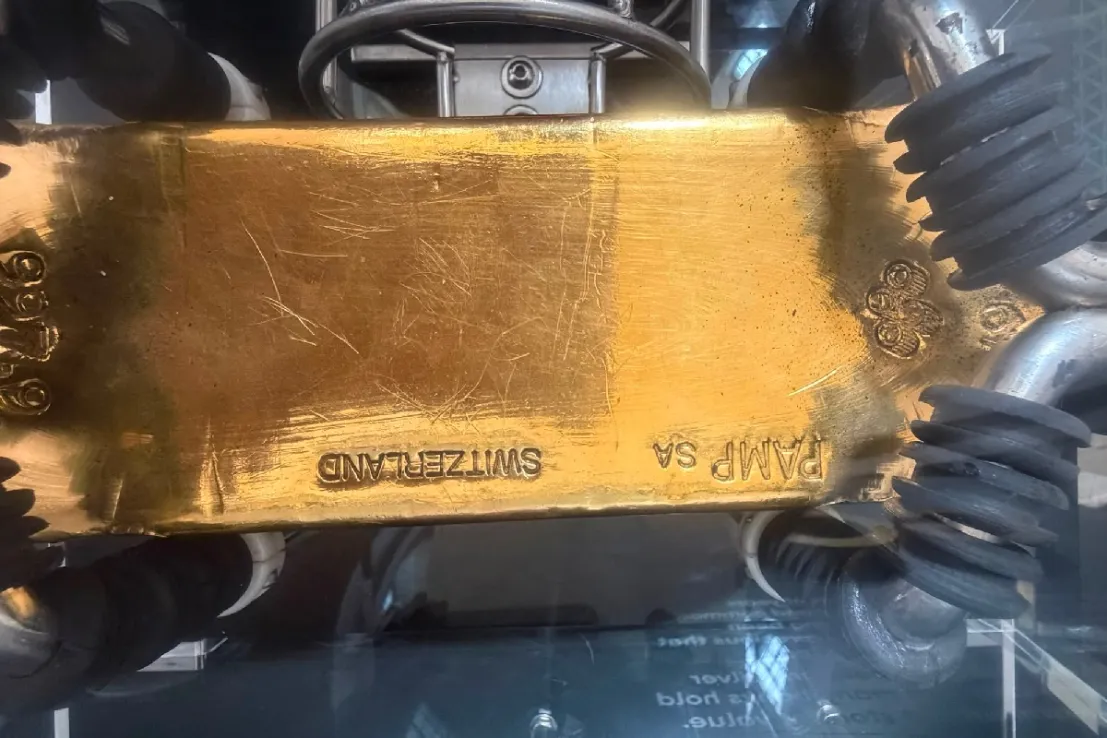
Where else in the country can a visitor walk into a museum and, without any guard present, lift a gold bar worth £1.2 million? Welcome to the Bank of England Museum, one of the City’s hidden gems.
Beyond the gold bar, and the reminder that 400,000 is stored beneath you, the museum is a treasure house that traces the Bank’s history from its foundation in 1694 by William and Mary to the present day. The first governor was Robert Houblon, although the idea for the Bank’s creation came from the Scotsman William Paterson. Today, the museum hosts regular exhibitions of imaginative art, recycled notes and, currently, a display about bees’ relationship to money and the surprisingly widespread practice of honey fraud.
After the airport-style security, visitors should look up at the mosaics in the foyer. They were created by the Russian artist Boris Anrep, who also designed the National Gallery mosaics, and are based on historic British coinage. One mosaic behind security dates to Oliver Cromwell’s time and bears the motto Pax Quaeritur Bello, or “Peace through War.”
The banking hall, redesigned to echo the original 18th-century legacy of architect John Soane, resembles the Gringotts hall and contains architectural plans, early cheques and Royal declarations. Among them is a speech from Charles II apologising for defaulting on his debts, leading up to the Bank’s foundation. Younger visitors can also try interactive games that show, for example, the effects of monetary policy on inflation.
Bank of England’s treasures
When the Bank’s interior was demolished and remodelled in the 1930s, leaving only Soane’s curtain wall, architectural writer Pevsner described it as “the greatest architectural crime, in the City of London, of the 20th century.” That history helps explain why the museum doubles as both an archive of financial change and a record of how the institution has been physically remade over time.
Further inside, visitors can see the original bank charter and a tally stick used as a record of debt. The burning of old tally sticks, incidentally, led to the Houses of Parliament burning down in 1834.
A massive chest on display dates to the Bank’s earliest days at Mercers’ Hall. Nearby are examples of correspondence with George Washington, a satire on the ease of note forging that led to hundreds of executions before security was tightened, and records of the Bank’s possession of plantations with almost 600 enslaved Africans in the 1780s, a stark reminder of the City’s history.
The rotunda contains the gold bar, as well as a display about Kenneth Grahame, the writer of The Wind in the Willows, who appears to have been bullied out of the bank after he confronted an armed robber.
Other sections explain the Bank’s current security measures and display one of the infamous Operation Bernhard Nazi forged bank notes, which were almost perfect and were made by Jewish concentration camp prisoners forced to produce them.
Another display on gold itself includes the small bar presented to Elizabeth II on her coronation. The exhibition then moves on to the Big Bang, the Crash, Northern Rock, some of the famous subscribers and much more, placing the museum’s older objects alongside turning points that shaped modern banking and public confidence in the institution.
The Bank of England Museum is free to visit and open Monday to Friday from 10am to 5pm, and until 8pm on the third Thursday of every month.

