Bank of England Holds Interest Rates at 3.75% Amid Middle East Risks
Key Takeaways
- •The Bank of England kept its benchmark rate unchanged at 3.75 per cent in a split 6-3 vote, with the hawkish minority growing larger than markets anticipated.
- •Governor Andrew Bailey cautioned that ongoing Middle East conflict could cause inflation to rise again later this year despite recent easing to 2.6 per cent.
- •The Bank forecasts inflation will remain around 3.2 per cent in early 2027 before declining to the two per cent target by the end of that year.
- •Under an adverse scenario with oil prices at $100 per barrel, inflation could peak at 4.5 per cent, which would likely trigger interest rate increases.
- •The MPC's forecasts incorporated Prime Minister Andy Burnham's early policy measures, including VAT removal from energy bills and a £2 bus fare cap, though their impact on inflation was assessed as marginal.
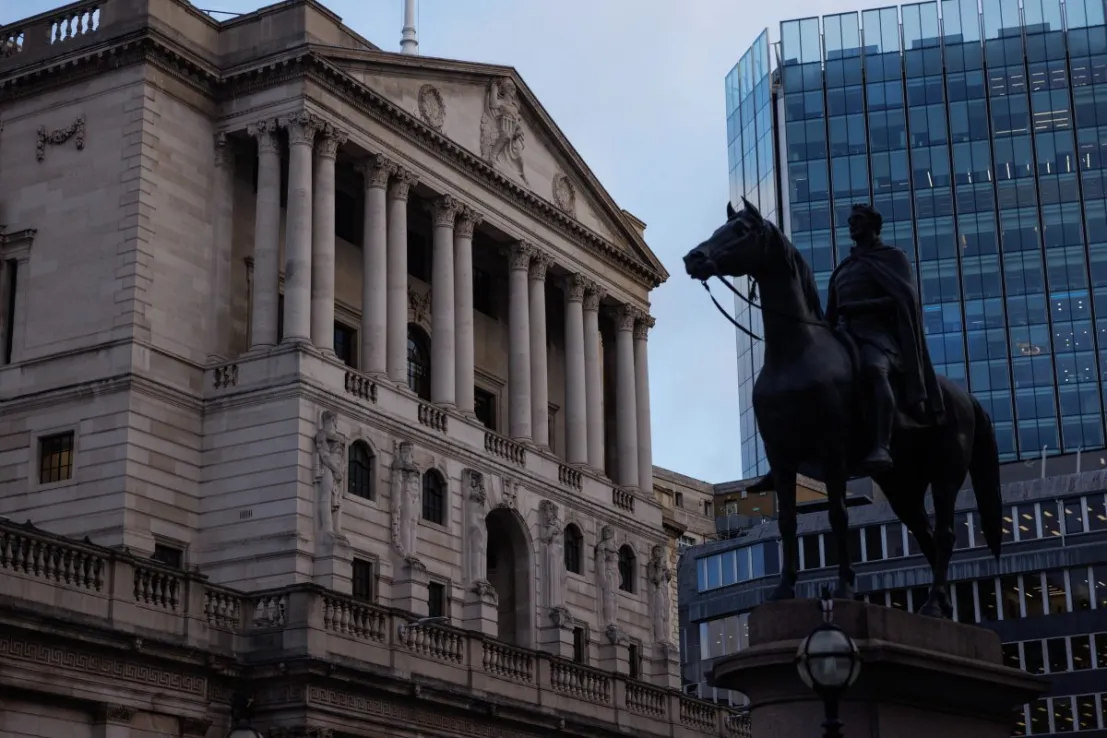
The Bank of England has maintained its benchmark interest rate at 3.75 per cent following a split 6-3 vote by the Monetary Policy Committee (MPC), as recent inflation data came in better than economists had anticipated. However, policymakers cautioned that monetary policy could shift if geopolitical risks reignite price pressures in the coming months.
The decision on Thursday saw external MPC member Catherine Mann join fellow external member Megan Greene and the Bank's chief economist Huw Pill in voting for a 25 basis point rate increase. The hold was broadly in line with market expectations, though some City institutions had anticipated only two of the nine committee members would support a hike. The three-member hawkish minority represents a notable shift, narrowing the gap between those favouring a hold and those pressing for further tightening.
Mann cited the deterioration in US-Iran relations following last month's ceasefire agreement to the Iran war as the primary factor behind her vote to raise rates.
Officials noted that latest figures showing inflation easing to 2.6 per cent provided the Bank with some breathing room, enabling the MPC to maintain its current policy stance. However, minutes from the meeting indicated that those voting to hold rates believed "policy strategy could change" should inflation exceed expectations, particularly in the event of a re-escalation of conflict in the Middle East.
Governor Andrew Bailey said it was "too early" to conclude that the UK was entering a prolonged period of elevated inflation, reiterating his commitment to returning consumer price growth to the Bank's two per cent target.
"Inflation has fallen faster than we'd expected, but the conflict in the Middle East continues to mean high and volatile energy prices," Bailey said. "That will cause inflation to rise again later this year."
"However the conflict unfolds, our job is to make sure any increase in inflation is temporary," he added.
The Bank projects inflation to remain at approximately 3.2 per cent in the early part of 2027 before declining to the target rate by the end of that year.
Rate-setters warned that renewed trade disruption across the Gulf region could keep energy prices elevated for an extended period, feeding through to higher inflation and prompting workers to seek larger wage increases. Additional risks to the UK's inflation trajectory include disruptions at oil and gas refineries worldwide, supply chain problems stemming from heatwaves, and shortages in AI hardware.
The Bank flagged concerns over so-called "second-round effects," where rising inflation and wage growth reinforce each other. Under the Bank's central scenario, in which oil prices stabilise at around $70 per barrel, these effects would add roughly 0.2 percentage points to consumer price index (CPI) inflation.
Employers are expected to negotiate pay settlements with staff at the start of next year, around the time inflation is projected to peak. The Office for National Statistics' regular average earnings data will serve as a key barometer for whether these second-round effects are materialising.
Under a more "adverse" scenario, should oil prices return to $100 per barrel and decline more gradually, inflation would peak at 4.5 per cent. Officials indicated the MPC would likely raise interest rates in such circumstances. A previous scenario outlined in April had suggested six rate hikes could occur if oil prices sustained levels around $130 per barrel.
Higher yields on UK government bonds, which reflect rising market interest rates and increased borrowing costs, have also contributed to slowing price growth. Bailey noted that market curves "are weighing on any nascent inflation pressures." For households, the sustained higher rate environment continues to shape mortgage refinancing costs and consumer credit terms, though the hold avoids an immediate increase in variable-rate borrowing.
The energy price shock stemming from the Middle East conflict is not expected to significantly dampen growth prospects. GDP growth for this year is forecast at 1.1 per cent, even under the more adverse oil price scenario, while unemployment is projected to peak at approximately 5.3 per cent under the central judgment.
Nevertheless, underlying growth in the UK economy is expected to slow in the latter half of this year as businesses struggle to gain momentum.
The Bank's forecasts incorporated Prime Minister Andy Burnham's early policy measures, including removing VAT from energy bills and capping bus fares at £2, though these policies were assessed as having only a marginal impact on reducing inflation. The MPC's next scheduled meeting will provide an updated assessment of whether the inflation path is tracking the central forecast or drifting toward the adverse scenario, with particular attention on energy market movements and preliminary wage settlement data.

