Balaji Srinivasan’s Network School Acquires Farcaster, Sparks Backlash Over Wave of Bans
Key Takeaways
- •Balaji Srinivasan's Network School acquired Farcaster from Neynar on Thursday and rebranded the platform as the Network State Protocol.
- •Several users reported their accounts were set to read-only the same day for past posts that broke the new rules, drawing criticism from figures including former Eigen Labs India lead Kunal Gandhi.
- •Srinivasan said the platform aims to become 'the Singapore of social media,' enforcing a shared code of conduct through human and AI review of millions of posts, with an appeals process in place.
- •Users who decline the new 'social smart contract' retain read-only access but keep their keys, funds, followers, and post history, and can move to other clients since the underlying protocol remains open.
- •The acquisition is Farcaster's second change of ownership this year and follows Malaysia's revocation of Network School's Forest City business licence, after which Srinivasan announced plans for a campus in Kazakhstan.
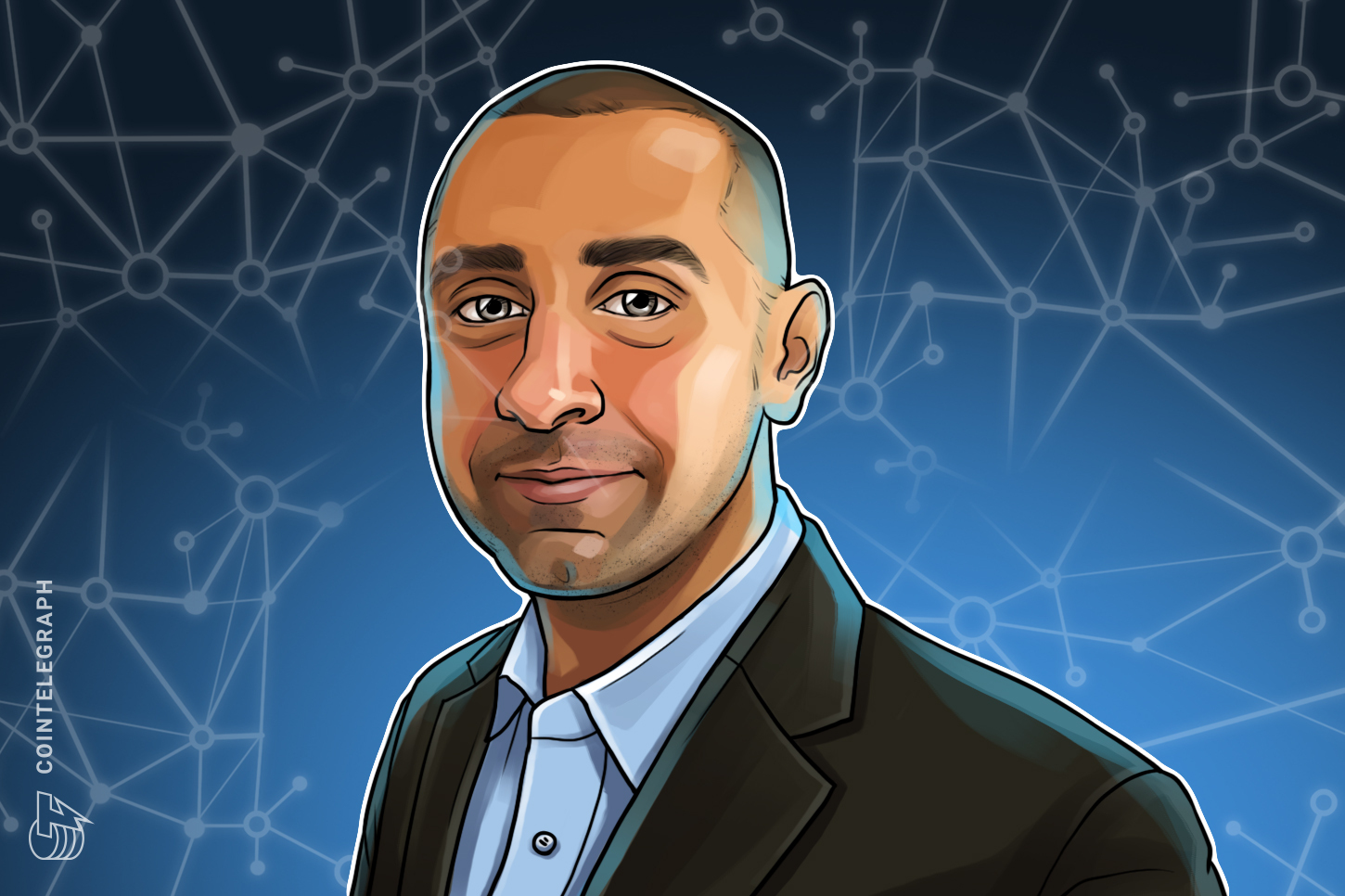
Balaji Srinivasan, a former Coinbase chief technology officer, has taken control of the decentralized social platform Farcaster through his Network School — and its first order of business has already sparked a backlash. On Thursday, Network School announced it has acquired Farcaster from Neynar and rebranded the platform as the Network State Protocol. The same day, several users said on X (example post) that their Farcaster accounts had been restricted to “read-only” as a result of previous posts that broke the platform’s new rules.
The clash highlights a defining feature of decentralized social media: the underlying protocol can be open to anyone, while the apps built on top of it set their own rules.
“I know most of these folks. They shaped Farcaster with their quirks and wit,” said Kunal Gandhi, former India ecosystem lead at Eigen Labs. “Obliterating accounts from the get-go for past posts is pretty silly. Goes against the ethos of decentralized social.”
The overhaul is the latest attempt to find a sustainable direction for Farcaster, which is changing hands for the second time this year. Co-founder Dan Romero said the platform had 250,000 monthly active users in December 2025.
Balaji wants the ‘Singapore of social media’
In a post on Farcaster on Thursday, Srinivasan said the bans were part of plans to turn the reference app into “the Singapore of social media” — a positive-sum community of techno-optimists operating under a shared code of conduct. One of the first steps, he said, was to institute “law and order.”
“In the pre-Internet world, it was simply unheard of to run up to a stranger and start cursing at them. We’re restoring that offline norm online,” he wrote.
“Much like how President Bukele jailed a small fraction of repeat offenders to essentially eliminate crime in El Salvador, we’ve moderated out the small fraction of repeat offenders that have been muted or blocked by many accounts to stop random attacks within this Farcaster reference client,” Srinivasan said.
He added that both humans and AI were used to review millions of posts to determine which accounts to ban, noting that an appeals process is in place.
Rewarding “pro-social behavior”
Under Network School’s vision for the Network State Protocol, users opt into a “social smart contract” authorizing its core team to set the app’s rules. The accompanying “Network Code” classifies violations as digital felonies, misdemeanors or infractions, with penalties ranging from warnings and suspensions to bans — and the rules apply to past posts as well as new ones.
The code also promises rewards for constructive behavior, including teaching others, sharing projects and disagreeing civilly, though it does not specify what those rewards entail.
Network School said an open-weight AI model will apply the rules, with some manual judgment calls, and that it eventually wants to warn users of potential violations before they post. How the appeals process performs in practice, and whether the unspecified rewards take concrete form, are key details to watch as the new rules take effect.
The underlying Farcaster protocol will remain open, according to the announcement. Users who decline the contract will have read-only access to the main app but will retain their keys, funds, followers and post history, allowing them to move to another client. Srinivasan described this ability to join, leave or build competing clients as “decentralized democracy.” That split — one open protocol with many competing clients on top — is what sets decentralized social networks apart from centralized platforms such as X, where a single company controls both the network and the app.
The ambition extends beyond social media. Network School said its goal is for the online community to take physical form through meetups and pop-up events, ultimately developing into startup cities and network states — the vision Srinivasan laid out in his book The Network State.
The acquisition comes months after Malaysian authorities revoked Network School’s Forest City business licence and ordered it to cease operations, citing alleged licensing and premises-use violations. Srinivasan subsequently announced an agreement to establish a campus in Kazakhstan.
Farcaster’s previous change of ownership also came with a notable financial development: the platform moved to return $180 million to investors following the Neynar takeover.
Source: Cointelegraph

