Average Job Search Tops 27 Weeks as Long-Term Unemployment Reaches Highest Share Since 2021
Key Takeaways
- •The average U.S. unemployment spell exceeded 27 weeks in October on a seasonally adjusted basis, the longest duration outside the pandemic period since 2016.
- •About 2 million Americans have been out of work for at least 27 weeks, accounting for 27.6 percent of all jobless workers in October, the highest share since late 2021.
- •Government unemployment benefits generally end after 26 weeks, meaning the average unemployed person now takes longer to find a job than their benefits last.
- •Federal Reserve Bank of Richmond researchers warn that extended unemployment can become a self-perpetuating cycle, as time out of work may erode skills, thin networks, and deter employers.
- •The data comes amid a 'low-hire, low-fire' job market, with recent developments including Disney eliminating thousands of jobs and further layoffs at American Express.
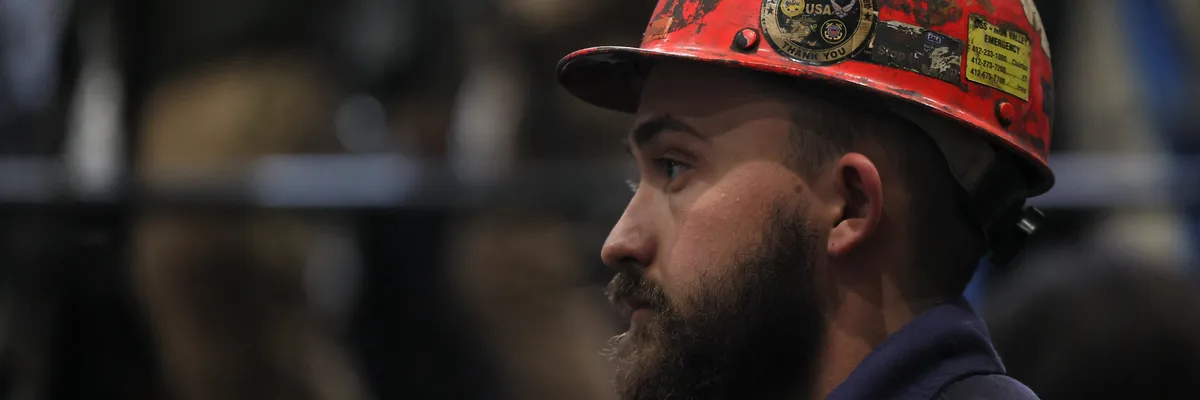
Average unemployment spells in the United States have stretched past 27 weeks, leaving workers who lose their jobs with diminished prospects of finding a new one quickly. The development adds to a drumbeat of economic anxiety for American households already reporting that paychecks are failing to keep pace with inflation.
"A disturbing employment trend is hiding beneath the latest strong job numbers," reports CNBC. "Americans who lose their jobs these days are facing a harsh new problem: It's getting harder to find another one quickly."
According to the Bureau of Labor Statistics' Friday jobs report, the average jobless worker's bout of unemployment surpassed 27 weeks in October on a seasonally adjusted basis — a statistical adjustment that strips out recurring seasonal hiring patterns so individual months can be compared on even footing — the equivalent of a job search lasting nearly seven months and moving toward the 12-month mark of a full year. CNBC noted it is "the longest outside of the pandemic period since 2016, when the U.S. labor market was finally getting back on track after the 2008 financial crisis."
"About 2 million Americans have been without work for at least 27 weeks," CNBC reported, citing the BLS data. "People in this category are referred to as the 'long-term unemployed' and accounted for 27.6 percent of all jobless workers in October, the highest share since late 2021." Put another way, more than one in four jobless Americans in October had already spent at least 27 weeks — more than six months — searching for work.
"...[T]here is no mistake in the trend," said Cory Stahle, senior economist at hiring platform Indeed.
The workers stuck on the sidelines are a casualty of what CNBC described as Trump's "low-hire, low-fire" job market, in which "companies are hesitant to lay workers off, but aren't adding them either."
Research shows that Americans who experience long-term unemployment face depleted savings, lower earnings potential over time and declining mental health. Worse, former employees who are unemployed for extended periods risk falling into a "self-perpetuating cycle," according to Federal Reserve Bank of Richmond researchers.
"Time spent unemployed may itself reduce the probability of finding a job, perhaps because skills depreciate, networks thin or employers interpret long unemployment durations as a negative signal," the researchers warned.
Seven months out of the workforce also marks the jarring point at which workers lose the ability to claim most — if not all — of their government unemployment benefits, which generally end after 26 weeks in a year.
"Now, the average unemployed person takes longer to find a job than their benefits would last," Stahle said. "That is a really key point of this."
The figures arrive alongside highly publicized reports that Disney is eliminating thousands of jobs, as well as news of further layoffs at American Express — developments that make clear why workers are picking up a soured feeling about the Trump economy. The BLS refreshes these figures each month, so upcoming employment reports will show whether the average search keeps stretching — and whether the long-term unemployed share climbs further from its highest level since late 2021.

