Australia Launches Feasibility Study for New Oil Refinery to Cut Fuel Import Reliance
Key Takeaways
- •Australia has launched a feasibility study for a new oil refinery that could be the first built in the country in six decades.
- •Prime Minister Anthony Albanese said the refinery could strengthen national fuel resilience and reduce vulnerability to global disruptions.
- •Australia still imports most of its transportation fuel, leaving the market exposed when shipping routes tighten or overseas supply is interrupted.
- •Fuel supply conditions worsened in March after the Hormuz crisis and a fire at one of Australia’s two refineries.
- •The government cut fuel excise for three months and arranged additional diesel and jet fuel deliveries to ease shortages.
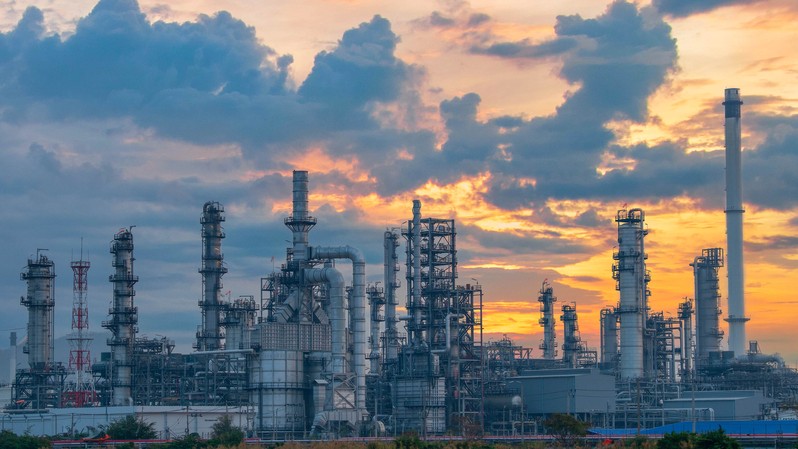
Australia’s government has launched a feasibility study for an oil refinery that, if approved, would be the first facility of its kind built in the country in six decades.
Prime Minister Anthony Albanese said a new refinery would strengthen Australia’s fuel self-sufficiency and reduce its exposure to future oil shocks, Reuters reported.
“One of the things that building national resilience does is it makes Australia less vulnerable to the impact of events around the world,” Albanese said. “We want to make sure that we get the right location but we want to make sure as well that it's a project that stacks up, that can go forward.”
The Albanese government has strongly backed a transition away from oil, coal and gas toward wind and solar. Australia is also a major gas and LNG producer, but it still relies on imports for most of its transportation fuel supply, leaving the domestic market exposed when shipping routes tighten or overseas supply is disrupted.
That supply picture worsened in March amid the Hormuz crisis and after a fire broke out at one of the country’s only two refineries. Australia then struggled to secure fuel while keeping prices affordable.
At the end of March, the Australian federal government halved the fuel excise on gasoline and diesel for three months to ease the financial burden on consumers as fuel prices surged.
In April, the government said it had secured about 100 million liters of additional diesel, with two shipments arriving from Brunei and South Korea. It said those cargoes were the first of the expected deliveries arranged under its new Strategic Reserve powers. Later, jet fuel shipments from China followed.
Even so, fuel supply security in Australia remained precarious, which made a local crude processing facility appear to be the most logical solution.
By Irina Slav for Oilprice.com

