AstraZeneca Explores $400bn Merger with US Rival Bristol Myers Squibb
Key Takeaways
- •AstraZeneca has held discussions with Bristol Myers Squibb in recent months about a potential merger worth roughly $400 billion.
- •Any deal would likely involve a combination of cash and shares, though talks could still be delayed or fall through entirely.
- •Bristol Myers Squibb is seeking acquisitions to offset upcoming patent losses for major drugs such as Eliquis and Opdivo.
- •A transaction of this magnitude would be one of the largest pharmaceutical deals on record and would draw close regulatory scrutiny from US and EU authorities.
- •AstraZeneca has stated it intends to keep its headquarters in Cambridge and maintain its London listing despite an ongoing strategic shift toward North America under CEO Pascal Soriot.
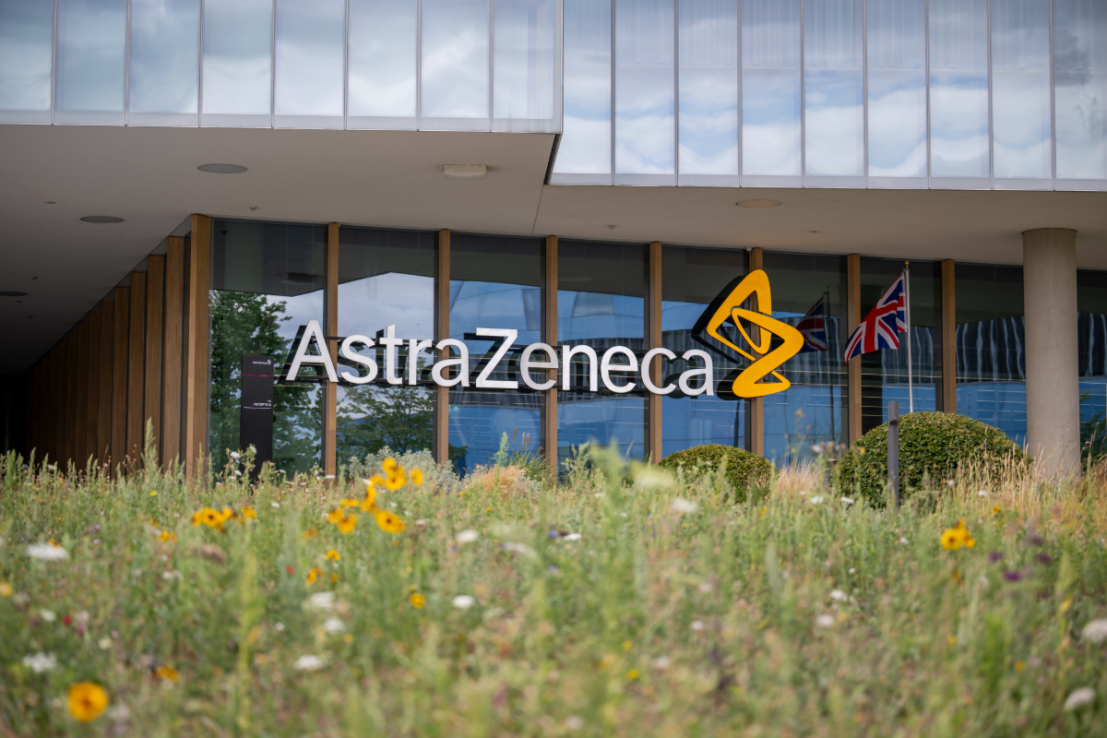
AstraZeneca is exploring a roughly $400bn (£300bn) merger with US rival Bristol Myers Squibb, a transaction that would create one of the world's largest pharmaceutical groups.
According to reports in the Financial Times, the FTSE 100 giant has held talks with Bristol Myers Squibb in recent months regarding a possible tie-up. People familiar with the matter told the newspaper that the discussions could lead to a deal in the near future, though they also risk being delayed or collapsing entirely.
Any potential transaction would likely consist of a combination of both cash and shares, those people said.
AstraZeneca, the UK's second most valuable listed company behind only HSBC, holds a market valuation of approximately £196bn. New York-listed Bristol Myers Squibb has a market value of roughly $133bn (£98.6bn).
The talks come at a time when large pharmaceutical companies are under pressure to replenish their pipelines ahead of patent expirations for blockbuster drugs. Bristol Myers Squibb faces the loss of patent protection for several major revenue drivers in the coming years, including the blood thinner Eliquis and the immunotherapy Opdivo, pushing the company to pursue acquisitions and partnerships. AstraZeneca, which has built a fast-growing oncology franchise around drugs such as Enhertu and Tagrisso, has itself been pursuing a revenue target of $80bn by 2030 through a combination of internal development and dealmaking. A merger of this scale would rank among the largest pharmaceutical transactions on record and would likely attract close scrutiny from competition regulators in both the United States and the European Union.
AstraZeneca's share price declined 7.1 per cent in early trading to 11,726p per share. Over the past twelve months, the group's share price has risen 13.4 per cent, while Bristol Myers Squibb has gained 43.8 per cent.
AstraZeneca's Pivot Toward North America
The prospective deal has also raised questions about AstraZeneca's ties to the UK, as chief executive Sir Pascal Soriot continues to steer the company toward North America. Soriot has previously described AstraZeneca as a "very American company."
Last September, the drugmaker upgraded its listing on the New York Stock Exchange, enabling US investors to purchase shares directly. The move placed its US listing on par with its London listing, a development widely viewed as a setback for the struggling UK market.
The group subsequently struck a $50bn deal with Donald Trump's administration to invest in US manufacturing and transatlantic research facilities. The company currently operates 23 sites across 11 US states, spanning research and development through to manufacturing.
However, Britain's biggest drugmaker has insisted it intends to remain headquartered in Cambridge and retain its London listing. In April, the company pledged to invest £300m into its UK operations, coming just months after it cancelled planned investments in a new laboratory in Cambridge and a site in Macclesfield.

