Asian Markets Decline as KOSPI Slumps; AI Stocks Weigh on Regional Indices
Key Takeaways
- •South Korea's KOSPI fell 5.6% as investors resumed selling heavyweight AI and semiconductor stocks, reversing Friday's record 18% surge.
- •Samsung Electronics and SK Hynix each declined approximately 7% despite strong earnings results that still fell short of elevated market expectations.
- •Oil prices dropped after President Trump announced Strait of Hormuz negotiations would begin, pressuring energy stocks such as Woodside Energy and INPEX Corp.
- •Australia's S&P/ASX 200 rose about 0.5%, outperforming the region as gains in financials and industrials offset weakness in energy shares.
- •Markets are closely watching upcoming data releases including the RBI rate decision, China's July trade figures, South Korea's inflation report, and U.S. nonfarm payrolls.
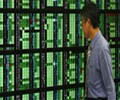
Asian equities extended losses on Monday, with South Korea's KOSPI plunging more than 5%, as a renewed wave of selling in artificial intelligence-linked technology shares outweighed easing Middle East tensions, lower oil prices, and firmer U.S. equity futures. The selloff underscores how tightly correlated Asian indices have become to the global AI investment cycle, particularly in markets where semiconductor manufacturers dominate benchmark weightings.
Oil prices remained under pressure after U.S. President Donald Trump announced that negotiations over the Strait of Hormuz would commence on Monday, fueling hopes for a diplomatic breakthrough with Iran and alleviating concerns about energy supply disruptions.
Wall Street offered some support following strong earnings from Microsoft and Alphabet, which lifted sentiment late last week. Nasdaq 100 Futures rose approximately 0.9%, while S&P 500 Futures gained 0.6% during Asian trading hours.
KOSPI Leads Regional Selloff as AI Heavyweights Tumble
South Korea's KOSPI slumped 5.6%, coming off a record 18% surge on Friday, as investors resumed offloading the market's heavyweight AI stocks. The benchmark had already endured a 22% plunge in July—its steepest monthly decline since the 2008 financial crisis—driven by concerns over AI valuations that triggered a broad correction. The volatility reflects the concentrated risk embedded in the KOSPI's structure: when the chipmakers that anchor the index fall, the broader market has limited breadth to absorb the impact.
Samsung Electronics fell 7.2% despite reporting a more than 250-fold jump in semiconductor profit last week and announcing multi-year supply agreements with major data-centre operators. SK Hynix also dropped 7% as investors continued reassessing its record quarterly earnings, which fell short of elevated market expectations. The sell-now-ask-questions-later dynamic in semiconductor shares mirrors a pattern seen across global AI-exposed equities, where even robust results have failed to satisfy valuations that priced in perfection. Together, the two chipmakers account for more than half of the KOSPI's market capitalization.
Japan and China Also Weaken
Japanese markets traded lower after the Bank of Japan reinforced expectations for gradual policy normalization last week while keeping rates unchanged. The Nikkei 225 declined 1%, and the broader TOPIX lost 1.2%. Sony Group dropped nearly 6%, with Murata Manufacturing and Renesas Electronics also declining, offsetting gains of nearly 7% in Kioxia Holdings and more than 4% in TDK Corp.
Chinese markets were comparatively resilient despite weakness in technology shares. The Shanghai Shenzhen CSI 300 fell 0.6%, while the Shanghai Composite lost 0.5%. Singapore's STI index slipped 0.5%.
Hong Kong's Hang Seng edged 0.1% higher as Alibaba surged more than 5% following the unveiling of a new flagship AI model, while Tencent gained over 2%.
Oil Retreat Pressures Energy Stocks; Australia Outperforms
Falling crude prices weighed on energy producers after President Trump said Strait of Hormuz negotiations would begin on Monday, reviving hopes for a diplomatic breakthrough with Iran. Brent crude extended Friday's losses, easing concerns about another energy-driven inflation shock.
Among major movers, Australia's Woodside Energy fell about 3%, Santos lost more than 2%, and Japan's INPEX Corp declined roughly 2%, tracking weaker oil prices.
Australia's S&P/ASX 200 outperformed the region, rising approximately 0.5% as gains in financials and industrials offset weakness in energy stocks. Separately, Cotality data showed Australian home prices fell for a second consecutive month in July, as higher borrowing costs and uncertainty surrounding proposed tax changes accelerated the housing downturn.
Focus Shifts to Central Bank Decisions and Economic Data
Attention now turns to the Reserve of India later this week, with India's Nifty 50 rising nearly 1%. DBS economists expect the RBI to leave interest rates unchanged while maintaining a balanced stance, arguing that easing food inflation gives policymakers room to wait.
Markets will also monitor China's July trade data, South Korea's inflation report, and Friday's U.S. nonfarm payrolls report. With semiconductor valuations under scrutiny and central banks across Asia calibrating policy stances, the coming week's data prints may set the tone for whether the AI-driven correction deepens or stabilizes.
Source: Investing.com via Hellenic Shipping News

