Surging Asian Gold Demand Signals Structural Wealth Shift, Banks and Analysts Say
Key Takeaways
- •Central banks worldwide added more than 1,000 tonnes of gold to their reserves in both 2022 and 2023, marking the highest consecutive annual totals on record.
- •Asian-based gold ETFs accumulated over 74 tonnes of gold valued at $12 billion during the first half of the year, setting a first-half inflow record.
- •Hong Kong's gold storage capacity is projected to increase by approximately 2,000 tonnes over the next three years as major banks expand their vaulting operations.
- •A newly launched Hong Kong gold clearing and settlement system could begin shifting the global gold trade center from London toward Asia.
- •Asia already accounts for roughly 60 percent of global consumer gold demand, positioning the region as a potential global hub for vaulting, clearing, and settlement services.
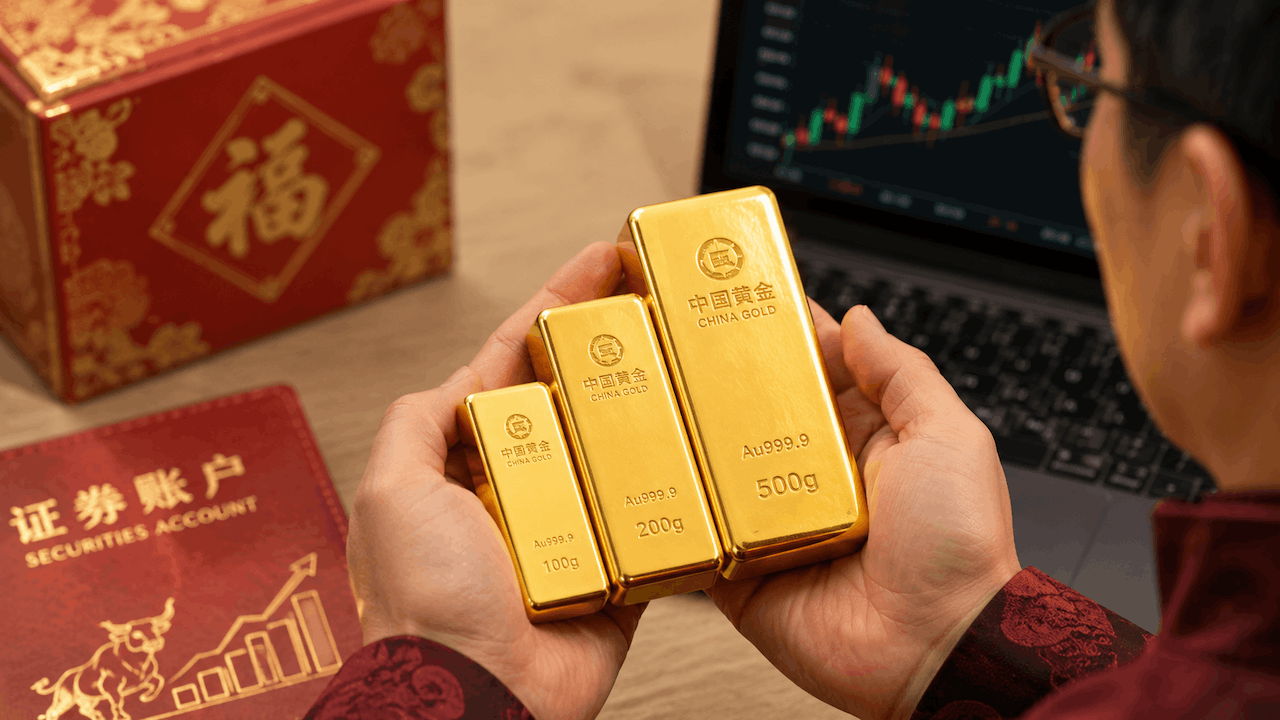
Asian banks have significantly expanded their gold product and service offerings in recent months, a trend that industry observers describe as reflective of a deeper reallocation of capital. According to The Banker, these developments represent "a structural wealth shift in wealth allocation."
The expansion comes as gold has repeatedly set new record highs in 2024 and 2025, driven in part by sustained central bank purchasing — particularly from the People's Bank of China, which has been among the world's most consistent official-sector buyers. Central banks globally added more than 1,000 tonnes of gold to reserves in both 2022 and 2023, the highest consecutive annual totals on record, according to World Gold Council data.
New products and innovations across the Asian gold market range from fractionalized gold investment platforms to new ETF offerings and expanded vaulting capacity. DBS in Singapore, for instance, now offers fractionalized gold trading through a retail app, enabling investors to purchase tokens backed by as little as 1 gram of gold.
HSBC recently announced plans to increase its gold storage capacity in Hong Kong to 200 tonnes. According to official sources, HSBC is not alone in this expansion. Officials say gold storage capacity in the Chinese special administrative region is expected to increase by approximately 2,000 tonnes over the next three years.
Record ETF Inflows
Asia has also seen a major surge in gold-backed ETF offerings. The region recorded the highest ETF gold inflows globally through the first half of the year, with Asian-based ETFs accumulating over 74 tonnes of gold. Valued at $12 billion, these inflows set a first-half record.
Perhaps the most significant development in the Asian gold market was the launch of a new Hong Kong-based gold clearing and settlement system, which could begin shifting the center of gold trade from London and the West toward China and the East. London, home to the London Bullion Market Association (LBMA), has served as the dominant hub for wholesale gold trading and price benchmarking for decades. Standard Chartered's global head of sales and structuring described the shift as "a fundamental structural shift in wealth allocation," citing rising demand for gold from central banks, institutional investors, and retail consumers.
Long-Term Conviction, Not a Short-Term Play
While the recent rise in gold prices has contributed to these developments, KPMG China's head of banking and capital markets in Hong Kong, Jia Ning Song, told The Banker that the buildout is not merely a response to a temporary bull market.
"Nobody constructs vaulting capacity, clearing memberships and tokenization platforms — multiyear, capital-intensive commitments — to monetize a 12-month rally. The investments now being made in Hong Kong's gold ecosystem are geared towards conviction in multi-decade demand," Song said.
Song explained that nearshoring investments appeal to Asian investors because local clearing venues allow banks to quote and settle gold during Asian trading hours, rather than routing transactions through London and contending with significant time zone differences.
"As credit risks become more topical, gold's minimal counterparty risk is proving especially attractive. We anticipate the trend of nearshoring gold holdings into Asia will intensify," Song added.
Song characterized gold as "a fiat hedge," noting that weakening confidence in paper currencies — particularly the U.S. dollar — has driven portfolio diversification across Asia. He pointed specifically to rising global debt levels, which reached a record $353 trillion in the first quarter. The trend also aligns with broader reserve diversification among emerging market central banks, several of which have increased gold holdings as a share of total reserves over recent years.
Asia as a Global Gold Hub
World Gold Council head of Asia-Pacific Shaokai Fan said Asia has the potential to become "a global gold hub," anticipating growing demand for vaulting, clearing, and settlement services in Singapore, Hong Kong, and Shanghai. Asia already accounts for approximately 60 percent of global consumer gold demand.
Western investors largely sat out gold's bull run last year, only entering the market in significant numbers last fall. Morgan Stanley CIO Michael Wilson previously suggested switching to a 60/20/20 portfolio strategy, swapping half of the bond allocation for gold as a "more resilient" inflation hedge.
Given that most Western investors maintain little to no exposure to gold, even a modest increase in allocation could have a significant impact on prices.

