Asia-Pacific markets quiet ahead of Warsh speech; Tokyo inflation supports BOJ hike case
Key Takeaways
- •Federal Reserve Chair Kevin Warsh is scheduled to deliver his closely watched Jackson Hole keynote at 10 a.m. US Eastern time, leaving Asia-Pacific markets subdued ahead of the address.
- •Tokyo's core consumer price index rose 1.8% year on year in August, exceeding the 1.7% forecast and moving closer to the Bank of Japan's 2% target, which strengthened expectations for a September BOJ rate hike.
- •A poll found that 90% of economists anticipate the Reserve Bank of New Zealand will raise interest rates at its September 2 policy meeting.
- •US Central Command said American forces cleared sea mines laid by Iran's Islamic Revolutionary Guard Corps from the Strait of Hormuz's international shipping lanes, but analysts believe some mines may remain and Iranian officials are preparing conditions for reopening the waterway.
- •The Wall Street Journal reported that Nvidia has halted certain deals under its AI Compute Partnership financing programme over internal concerns about potential antitrust scrutiny, after the company disclosed $36 billion in related commitments.
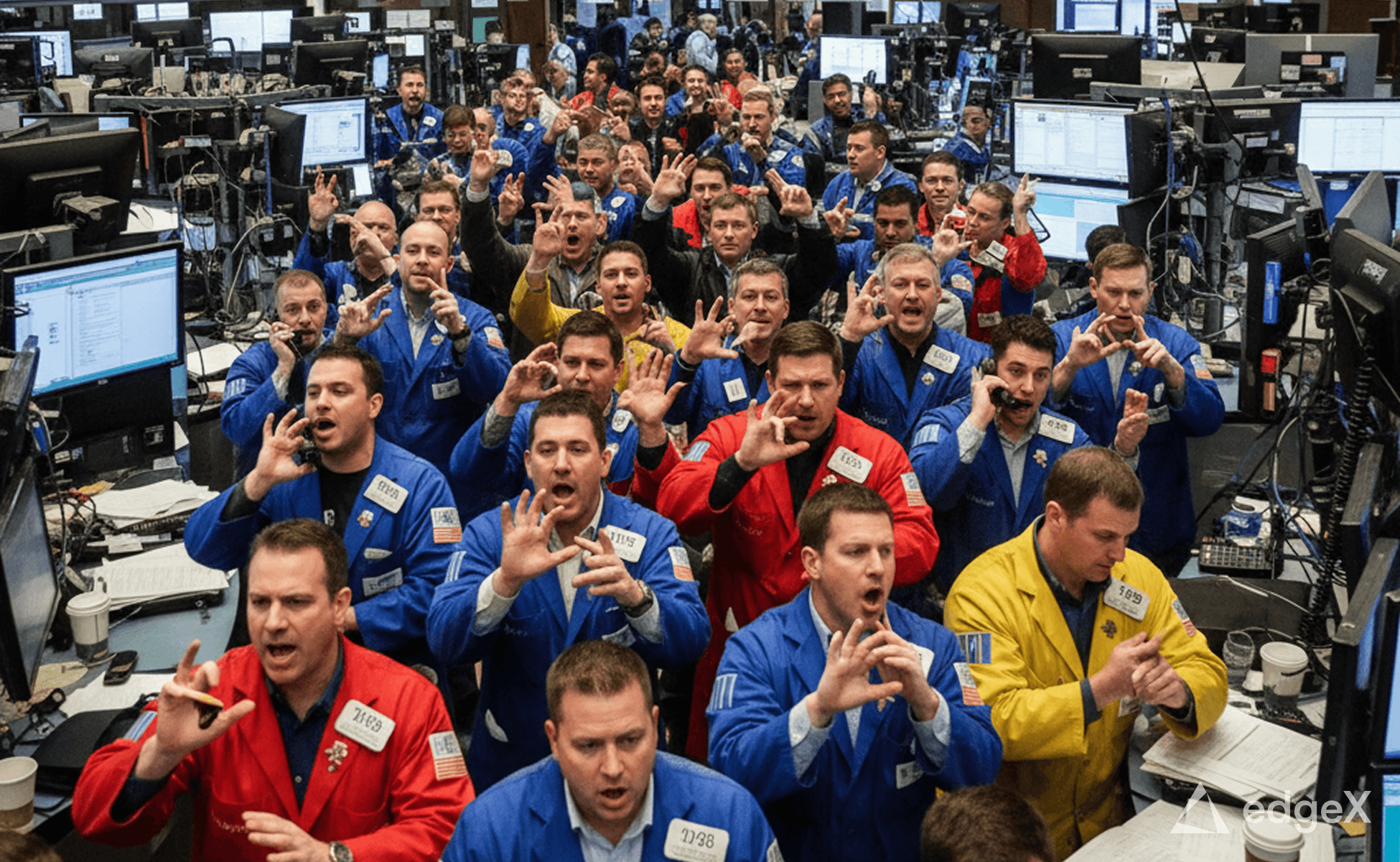
Asia-Pacific markets were subdued on Friday as investors awaited Federal Reserve Chair Kevin Warsh's Jackson Hole keynote later in the day. The annual symposium hosted by the Federal Reserve Bank of Kansas City has been used by past chairs to preview shifts in the policy outlook, which helps explain why the address is one of the most closely watched events on the trading calendar.
A poll showed that 90% of economists expect the Reserve Bank of New Zealand to raise rates on September 2, while a preview from BNZ said inflation and growth strength point to further RBNZ tightening. New Zealand consumer confidence held near flat as households braced for the policy decision.
In Japan, yen weakness returned to focus as Finance Minister Satsuki Katayama and Bank of Japan Governor Kazuo Ueda prepared to attend next week's G20 meeting in Asheville, North Carolina. Markets are watching for a possible sideline meeting with US Treasury Secretary Scott Bessent following last month's joint intervention to support the yen. G20 finance gatherings have long served as a venue for currency diplomacy, so any readout from the two officials would be parsed for signs of continued coordination.
Tokyo inflation data also strengthened the case for a September BOJ hike. Tokyo's figures are released weeks ahead of nationwide CPI and are widely treated as an early read on Japan's price trends, which gives them outsized weight in policy expectations. Tokyo's headline CPI for August 2026 rose 1.9%, in line with expectations and below the prior 2.0%. More importantly, Tokyo core CPI increased 1.8% year on year, beating the 1.7% forecast and moving closer to the BOJ's 2% target. The core-core measure, which excludes fresh food and energy, rose 2.0%.
Currency markets traded in narrow ranges. The yen was slightly softer, while the Australian dollar and New Zealand dollar posted modest gains. Regional equities were a touch firmer, although gains were limited ahead of Warsh's speech.
In other market developments, the People's Bank of China set the USD/CNY reference rate at 6.7811, compared with an estimate of 6.7208. The daily fixing anchors the yuan's permitted trading band, and gaps between the official rate and analyst estimates are watched for signals of official tolerance for currency moves. Friday's setting implied a weaker guidance level than the market anticipated.
In the United States, Federal Reserve officials continued to flag inflation risks ahead of Warsh's Jackson Hole debut. The symposium agenda was also in focus as traders looked for clues on the policy outlook.
Oil prices were modestly lower after US Central Command said American forces had cleared sea mines from the Strait of Hormuz's international shipping lanes. The strait is the world's most important oil chokepoint, with roughly a fifth of global petroleum liquids consumption normally passing through it, so conditions in the waterway bear directly on shipping and crude markets. CENTCOM's Adm. Brad Cooper said in a video address that the operation was an important step toward safer conditions in the waterway. He said the mines had been laid months earlier by Iran's Islamic Revolutionary Guard Corps. However, his wording did not indicate that all mines in the strait had been removed, and analysts said some may still remain. Iranian officials said they were preparing a list of conditions for reopening the Strait of Hormuz.
Company news also drew attention. Bloomberg reported that Stripe and Advent have ended their pursuit of PayPal. The Wall Street Journal reported that Nvidia has paused some deals under its AI Compute Partnership financing programme amid internal concerns about potential antitrust scrutiny. The report comes weeks after Nvidia disclosed $36 billion in related commitments, a figure that illustrates the scale of the financing effort around AI compute buildouts.
Elsewhere, Goldman Sachs said Gulf oil flows are recovering but remain well below pre-war levels, while US officials are expected to press G20 counterparts on growth, imbalances and Iran sanctions at talks in Asheville. UK business confidence rose to a five-month high in a Lloyds survey, and China's planner said it is accelerating support for infrastructure and private investment.
Federal Reserve Chair Warsh is scheduled to speak at 10 a.m. US Eastern time.

