Asia Economic Calendar: RBA Governor Bullock to Face Parliamentary Economics Committee on August 14, 2026
Key Takeaways
- •RBA Governor Michele Bullock will appear before the parliamentary economics committee on August 14, 2026, after the bank held the cash rate at 4.35% for an extended period.
- •RBA Assistant Governor Christopher Kent stated that monetary policy is restrictive and functioning as intended, though risks to the outlook continue to skew to the upside.
- •The PBOC set the daily USD/CNY reference rate at 6.7878, notably stronger than the Reuters consensus estimate of 6.7413, indicating an intent to guide the yuan firmer.
- •President Trump ordered new tariffs of up to 100% on drone imports, citing national security concerns.
- •China has become the world's largest auto exporter by volume, causing demand for car-carrier vessels to surge with ships booked years in advance.
Asia Economic and Event Calendar — Friday, August 14, 2026
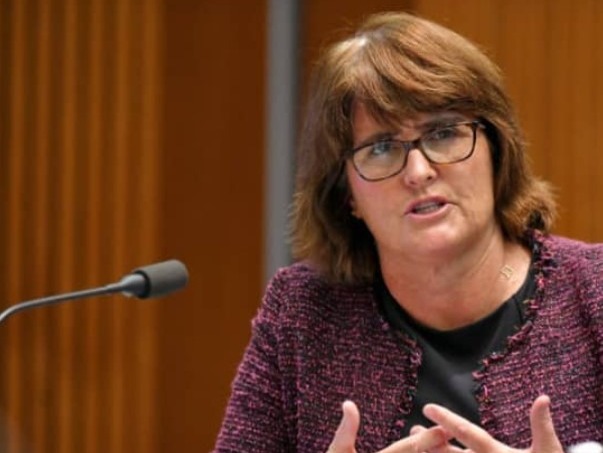
Reserve Bank of Australia Governor Bullock to Appear Before Parliamentary Economics Committee
Reserve Bank of Australia (RBA) Governor Michele Bullock is scheduled to appear before the House of Representatives Standing Committee on Economics on Friday, August 14, 2026. This appearance is part of the routine parliamentary scrutiny process that follows the RBA's monetary policy decisions. The RBA Act requires the Governor and Treasury officials to appear before the committee at least twice annually, and these sessions are closely watched by markets for any subtle shifts in tone or emphasis on inflation, employment, and the policy path.
The appearance comes after the RBA's August monetary policy meeting, in which the central bank held the cash rate steady at 4.35%, a decision announced earlier in the week. The hold extends a pause that has persisted since late 2023, reflecting the RBA's effort to bring inflation back within its 2–3% target band while preserving labor market gains. These post-decision parliamentary hearings are a standard practice providing legislators the opportunity to question the RBA leadership on the economic outlook, policy rationale, and emerging risks.
The event was listed on the economic calendar, although it had not appeared on the RBA's own official website at the time of reporting.
Prior Day: RBA Assistant Governor Kent on Policy Stance
On Thursday, August 13, 2026, RBA Assistant Governor Christopher Kent delivered remarks indicating that monetary policy is restrictive and working as intended, while noting that risks to the outlook continue to skew to the upside. The comments reinforce the RBA's public stance that inflation is moderating but not yet decisively beaten, a key reason the bank has maintained its restrictive setting rather than moving to ease. (Recap: RBA's Kent: policy is restrictive and working, but risks still skew higher)
PBOC Sets USD/CNY Reference Rate
The People's Bank of China (PBOC) set the daily USD/CNY reference rate at 6.7878, notably stronger than the Reuters consensus estimate of 6.7413. A fixing that is stronger than market expectations typically signals the PBOC's intent to guide the yuan firmer, often interpreted as resistance against depreciation pressure. The reference rate, also known as the daily fixing, is a key tool used by the PBOC to manage the yuan's exchange rate and signal its currency policy stance. The onshore yuan is permitted to trade within a 2% band on either side of the daily fixing.
(PBOC sets USD/CNY reference rate for today at 6.7878 vs. estimate at 6.7413)
Additional Regional Developments
Other notable developments across the Asia-Pacific region and globally include:
-
Gold buyers showed signs of losing momentum in the final stretch of the trading week. (Gold buyers lose momentum in final stretch of the week)
-
Bitcoin fell below the key $64,000 level, with attention turning to critical support thresholds. (Bitcoin loses key $64,000 level: The important support levels BTC must hold next)
-
Oil prices edged higher in a relatively muted session across Asia-Pacific markets. (investingLive Asia-Pacific Market news: Oil edges up, small move)
-
U.S. tariffs on drone imports: President Trump ordered new tariffs of up to 100% on drone imports, citing national security concerns. (Trump orders more tariffs, this time up to 100% on drone imports. Cites security.)
-
Baltic security situation: Latvia shot down a drone hours after issuing an air threat alert, while Finland restricted traffic in the Gulf of Finland. (Follow-up: Latvia shoots down drone hours after issuing air threat alert) (EUR risk: Latvia issues air threat alert, Finland restricts Gulf of Finland traffic)
-
China auto exports: Demand for car-carrier vessels has surged, with ships booked years in advance due to the volume of China's automobile exports. China has emerged as the world's largest auto exporter by volume, driven by strong demand for both internal combustion and electric vehicles in overseas markets. (There are not enough ships to carry China's huge car exports, car-carrier vessels booked years in advance)
-
Franklin Templeton maintained a bullish outlook on equities, with a tilt toward artificial intelligence and U.S. markets. (Franklin Templeton stays bullish on stocks, leans into AI and US)

