CLARITY Act Debate Intensifies as Arthur Hayes Questions Whether Bitcoin Needs New Regulation
Key Takeaways
- •Arthur Hayes argues that market dynamics, not regulation, are the primary driver of Bitcoin's success and that the CLARITY Act is unnecessary for the asset.
- •Hayes contends the proposed framework could favor well-resourced projects able to afford extensive legal representation, echoing concerns about compliance costs burdening smaller firms.
- •The House passed the CLARITY Act (H.R. 3633) 294-134 on July 17, 2025, and the bill remains pending in the Senate with a vote scheduled for September 15, 2026.
- •The bill aims to clarify the boundary between CFTC and SEC jurisdiction over digital commodities, covering oversight, reporting, trade monitoring, recordkeeping, and customer-asset commingling.
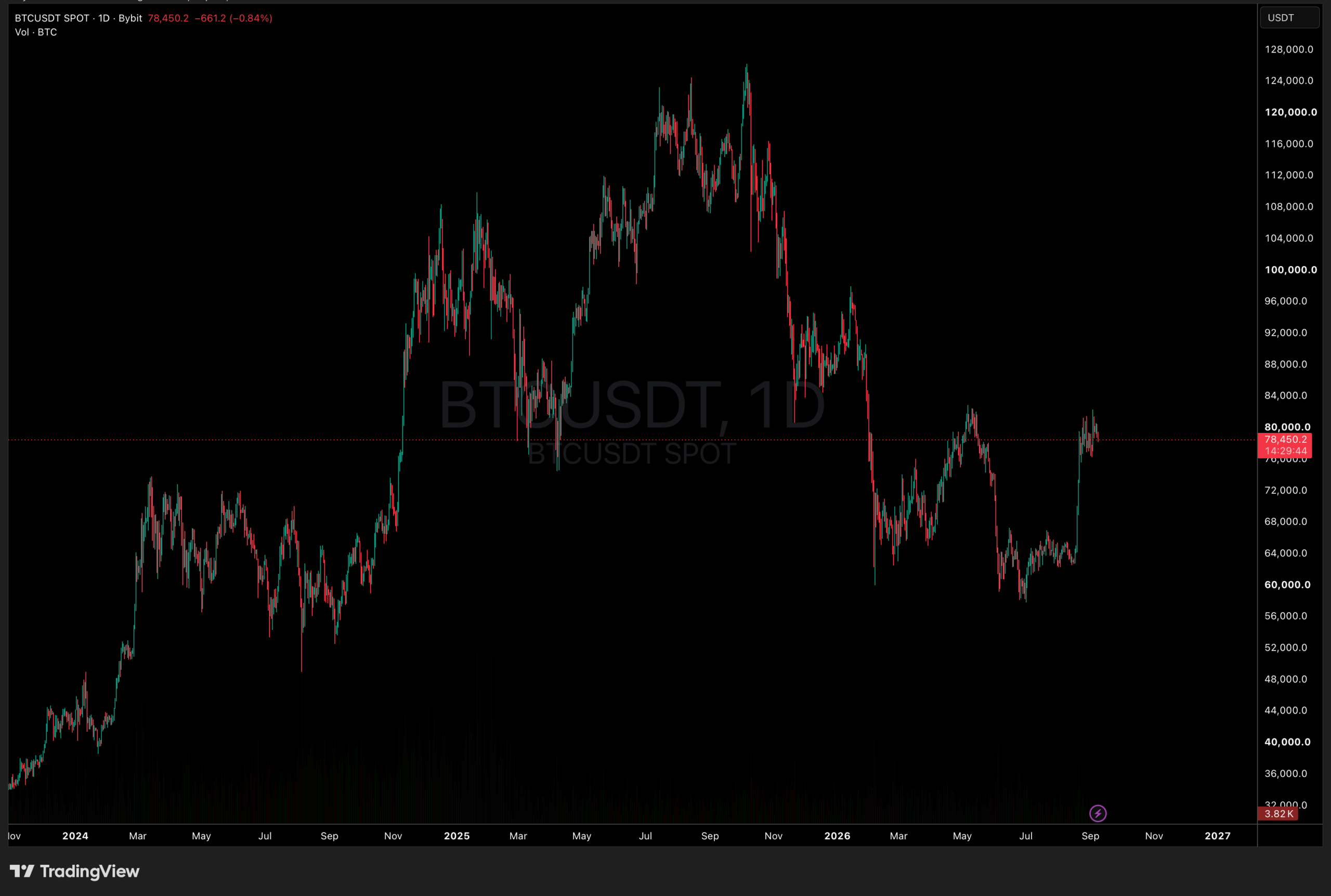
- •Bitcoin fell 1.55% in 24 hours to around $78,450 as strong U.S. jobs data and higher Treasury yields pressured risk assets, with the August CPI report due September 11.
A new debate has emerged around the Digital Asset Market CLARITY Act, this time sparked by BitMEX co-founder Arthur Hayes, who is questioning whether Bitcoin needs the legislation to succeed. Hayes argues that market dynamics, rather than regulation, are the central driver of Bitcoin's success.
Hayes's Argument
In an August 2026 video interview with Altcoin Daily (@AltcoinDaily), BitMEX co-founder Arthur Hayes (@CryptoHayes) said he doesn't hate the CLARITY Act — but described it as a moat-building tool for projects that spend more on… pic.twitter.com/jfrkmIHrwW
— Wu Blockchain (@WuBlockchain) September 8, 2026
Hayes pointed to Bitcoin's growth since its inception without a CLARITY Act as part of his case that such legislation is not necessary for the asset's success. He expressed skepticism toward the idea that a U.S. regulatory framework is a prerequisite for Bitcoin to thrive.
Hayes also reportedly argues that the proposed framework could favor projects able to afford extensive legal representation. Projects with greater legal resources may be better positioned to navigate a more formal regulatory environment than those without comparable resources. That concern echoes a long-running industry debate over compliance costs, which have historically weighed more heavily on smaller firms than on large, well-capitalized incumbents.
Where the Bill Stands
The discussion comes as the Digital Asset Market CLARITY Act, formally H.R. 3633, remains pending in the Senate. Congressional records show that the House passed the measure 294-134 on July 17, 2025. The record also lists an August 8, 2026 Senate action in which a cloture motion on the motion to proceed was presented; the bill had not passed the Senate in the cited record.
The legislation is intended to establish a regulatory framework for digital commodities. The Congressional Research Service summary says the bill addresses areas including Commodity Futures Trading Commission oversight of digital commodity transactions, certain Securities and Exchange Commission jurisdiction, reporting requirements, trade monitoring, recordkeeping, and customer-asset commingling. Those provisions provide context for the debate, but they do not settle Hayes's broader argument about Bitcoin's drivers. The bill's core aim of clarifying the boundary between CFTC and SEC jurisdiction addresses a question that has shaped U.S. crypto enforcement actions for years, and its outcome will be watched closely by exchanges, custodians, and token issuers that have operated under mixed or uncertain signals from the two agencies.
JUST IN: White House crypto advisor Patrick Witt says Clarity Act doubters will be proven wrong.
Senate vote scheduled for Sept. 15. pic.twitter.com/RHWg1nWHSZ
— Bitcoin Archive (@BitcoinArchive) September 7, 2026
Liquidity, Macro Conditions and Bitcoin's Broader Debate
Bitcoin fell 1.55% over the past 24 hours to around $78,450, slipping below the $79,000 mark as strong U.S. jobs data and higher Treasury yields pressured risk assets. Traders are watching the August CPI report due September 11 for the next major catalyst, with the broader market still digesting how rate expectations are shaping short-term sentiment. The scheduled September 15 Senate vote adds a policy event to a calendar already shaped by macro data, giving market participants a near-term checkpoint on both fronts.
Against this backdrop, the debate over regulation versus market forces takes on added relevance. Hayes's market snapshot suggests regulatory measures may influence certain projects, while many traders believe Bitcoin's growth is driven by market conditions rather than legal frameworks. Bitcoin remains a focal point as traders and analysts consider how potential regulatory changes could affect the sector, and the ongoing debates over the CLARITY Act could influence regulatory sentiment and shape how market participants assess Bitcoin's direction.
