Army leadership vacuum deepens after Dan Driscoll resigns amid clash with Pete Hegseth
Key Takeaways
- •Dan Driscoll has resigned as Army secretary and is expected to depart in the coming days.
- •His exit leaves the Army with no Senate-confirmed leaders in either civilian or military roles.
- •Gen. Christopher LaNeve has been serving as acting chief since Gen. Randy George was fired without explanation.
- •Hegseth has fired or forced out at least six senior officers, reducing the Army’s four-star general ranks from 10 to five.
- •Critics say the leadership gap comes as the Army faces heavy operational demands in the Middle East and support for Ukraine.
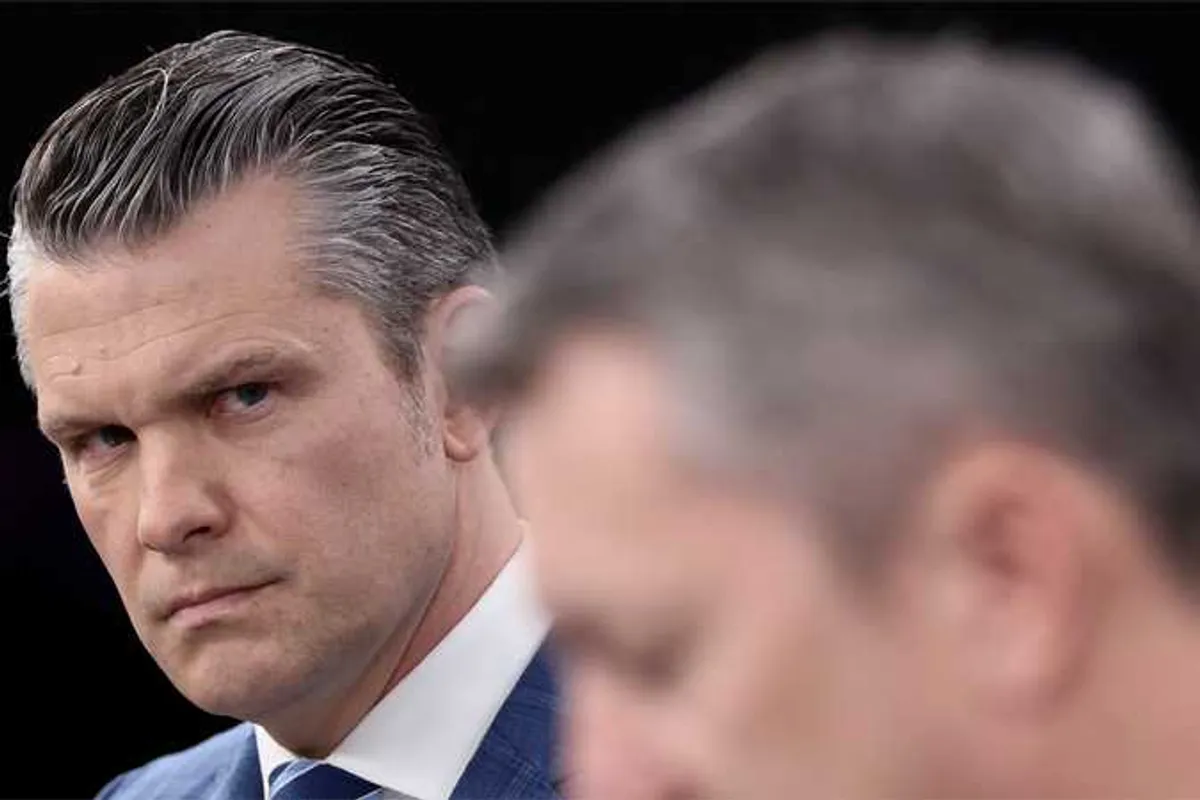
The Army now has zero Senate-confirmed leaders, civilian or military, after Secretary Dan Driscoll resigned following months of open conflict with Defense Secretary Pete Hegseth.
Driscoll submitted his resignation to President Trump and is expected to leave in the coming days, the Wall Street Journal reported. The move capped a bitter feud with Hegseth over the Army's direction.
His departure leaves the service in an unprecedented leadership vacuum, the report added. Gen. Christopher LaNeve has been serving as acting chief since Hegseth abruptly fired Driscoll's close ally, Gen. Randy George, without explanation.
The White House offered a positive assessment of Driscoll's exit, crediting him with strengthening the Army under Trump's leadership.
"The United States Army is more powerful than ever thanks to his work alongside the Commander-in-Chief and Secretary of War," White House spokeswoman Anna Kelly said.
That account does not reflect the turmoil behind the scenes. Driscoll and George had worked closely together preparing the Army for drone-dominated modern warfare, and Driscoll had also played a leading White House role in Russia-Ukraine peace negotiations. But Hegseth's growing distrust of senior Army leadership, and his firing of George in a 15-second phone call earlier this year, left Driscoll increasingly isolated and barely on speaking terms with his own boss.
Until now, Driscoll had denied any plans to resign.
Driscoll's exit adds to a growing pattern of Hegseth purging or sidelining the Army's most experienced leadership. Hegseth has now fired or forced out at least a half-dozen senior officers, shrinking the Army's four-star general ranks from 10 to just five — the fewest in decades — even as the service faces its busiest operational period since Iraq and Afghanistan, defending U.S. troops from Iranian missile attacks in the Middle East and supporting Ukraine's fight against Russia.
With no confirmed civilian secretary and no confirmed chief of staff now running the Army simultaneously, critics warn the leadership gap could not come at a worse time, leaving the service to manage ongoing operations and long-term modernization without anyone in permanent, Senate-vetted command.

