Army Veteran Warns Trump's Military Leadership Is Undermining Armed Forces Through Politicization and Reckless Operations
Key Takeaways
- •Margaret Donovan, an Army JAG veteran, stated that Defense Secretary Pete Hegseth has politicized military promotions by overriding merit-based selection boards to reward perceived political loyalty.
- •Donovan characterized the opening strike of the Iran War, a bombing that killed 120 schoolgirls, as an operation that military lawyers would likely consider a violation of the law of armed conflict.
- •The Daily Mail reported in July that senior military officials including Hegseth and Gen. Dan Caine have been accused of withholding troops' observations from the president.
- •Macroeconomist Dean Baker calculated that the military's $1.5 trillion request to prosecute the Iran war would cost every American household an average of $4,600.
- •Former Bush administration official Joseph Bosco warned that Trump's transactional foreign policy and treatment of allies such as Ukraine and Taiwan risk diminishing America's global standing.
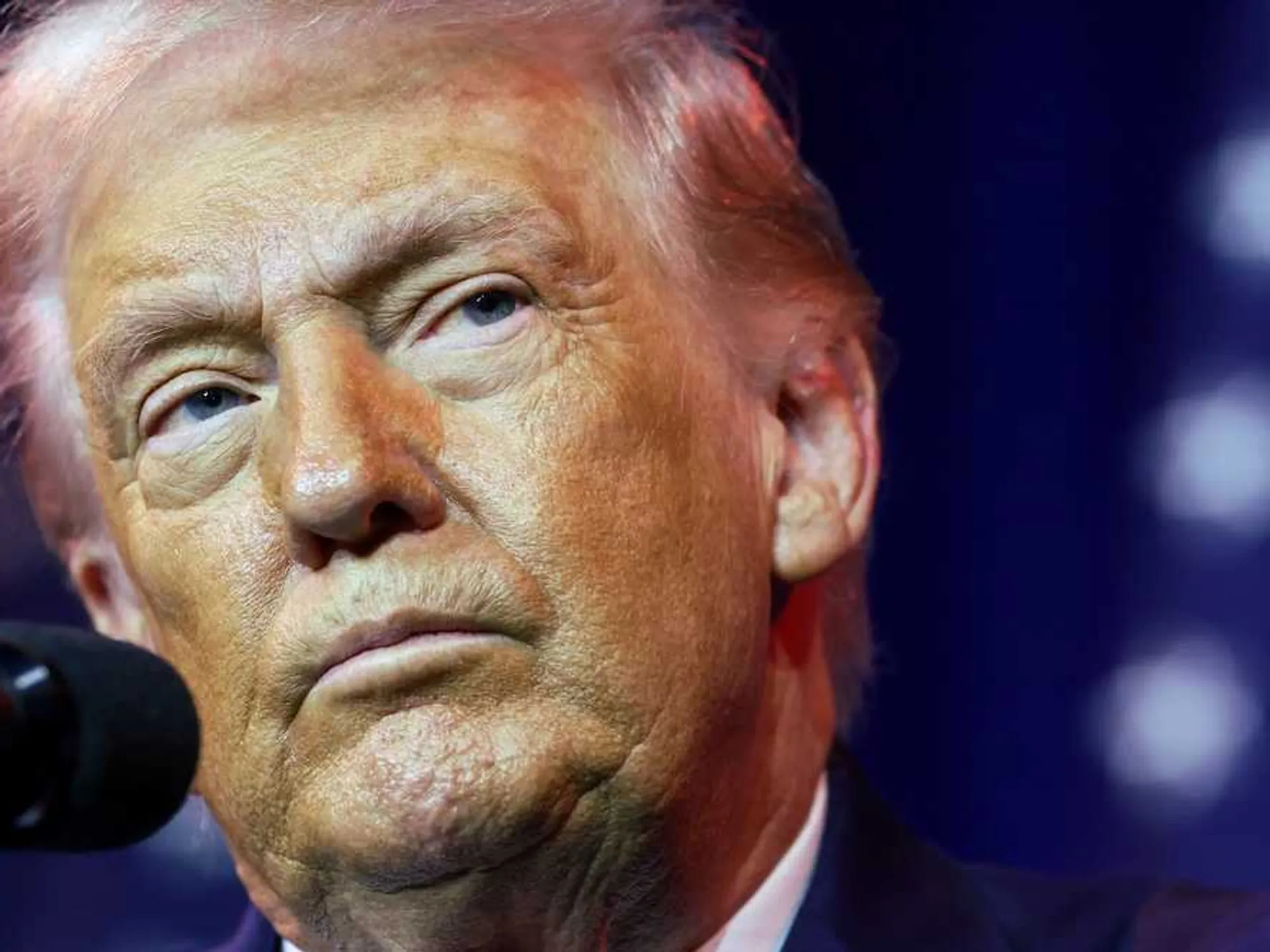
President Donald Trump's approach to the American armed forces is actively destroying the military, according to Margaret Donovan, a lawyer and Army JAG veteran, who detailed her concerns in an interview with The Bulwark's William Kristol on Thursday.
Donovan pointed to Secretary of Defense Pete Hegseth's leadership as a primary driver of the problem. "You know, you get somebody like Secretary Hegseth in charge of the Department of Defense, and that's what you get," she said, referencing a botched bombing in Iran that killed 120 schoolgirls.
"You get this harebrained operation, and the very first strike, something that, nearly every former military lawyer, probably current military lawyers, if they could speak freely would consider a war crime, or otherwise unauthorized under the law of armed conflict," Donovan told Kristol. The law of armed conflict, anchored by the Geneva Conventions, sets the legal framework governing the conduct of military operations, including distinction between combatants and civilians and proportionality in the use of force. "You have that, and lest you thought that was a fluke, that sort of rushing into an operation ill-prepared and not fully thought out in terms of your legal basis. We have February 28th, and so that's the opening of the Iran War."
Donovan argued that Hegseth has blatantly politicized the military at Trump's direction, eroding its long-revered meritocracy by rewarding or punishing soldiers based on their perceived political loyalties.
"It is completely unusual for the Secretary of Defense to go by name down a list of potential promotions and decide I'm just going to pick a few people that maybe he read about on his X feed or God knows what else, and pull them off," Donovan said. Under long-standing U.S. military tradition, officer promotions are vetted through service-specific selection boards that evaluate performance records, and senior promotions require Senate confirmation—a process designed to insulate advancement decisions from partisan interference. "It undermines the entire system that the military is built on, which is that you are promoted based on merit, based on your experience, and based on your capabilities. And not because, who knows what's informing Secretary Hegseth's men and most of the rest of the cabinet, it's whatever they see on their ex-feed that day."
She emphasized the deeply disruptive nature of these decisions, particularly when they affect decorated combat officers. "So it is very disruptive, I think, all the way down the line, because particularly when you see these officers that people owe their lives to, excuse me, quite literally, who have been to combat with these men and women, and seeing them get sort of picked off because the strong implication is that the secretary has deemed them politically dislikable. And there's just virtually no evidence of that in their military careers. It's extremely disruptive."
When Kristol asked about the broader consequences for the military, Donovan described herself as "extremely" worried. "I'm as worried as any other military veteran who's looking at this and is just kind of horrified by what is going on and hoping that everybody that is still in uniform is holding the line," she said. "And standing up for the principles and remembering the oath they took, whether they were an officer or enlisted."
Donovan, who served as a military prosecutor in the United States when not deployed overseas, also raised concerns about a two-tiered system of military justice. "You know, what I have seen especially with the sort of aviation misconduct over the past couple months, is if you are doing something that is deemed MAGA, or you are doing a flyover past Kid Rock's house, then you're fine. You're not going to get in trouble, and there's no military discipline for you. But there's a different standard for everybody else."
A separate July report by The Daily Mail found the military so politicized that top officials, including Hegseth and Gen. Dan Caine, Chairman of the Joint Chiefs of Staff, have been accused of withholding troops' observations from the president. "Two MAGA-connected Republican lawmakers, who were granted anonymity to speak candidly, have shared their concerns about Trump's military leaders," the Mail reported.
Also in July, macroeconomist Dean Baker calculated that the military's $1.5 trillion request to prosecute the Iran war would cost every American household an average of $4,600. For scale, the most recent annual U.S. defense budget authorization was approximately $886 billion, meaning the Iran war request would represent a sum well beyond a full year of baseline Pentagon spending.
Earlier, in February, Joseph Bosco, who served under President George W. Bush's Secretary of Defense Donald Rumsfeld, warned that the military is losing its greatness under Trump. He pointed to Trump's transactional approach to foreign policy and what he characterized as betrayals of longtime allies such as Ukraine and Taiwan.
"History will brand the U.S. failure to ensure Ukraine's victory and prevent Taiwan's fall as the time when America fell from greatness and her 'cunning' but miscalculating enemies plunged the world into a new global conflict," Bosco wrote in The Hill.

