Arizona Recovers $171,332 for 35 Cryptocurrency ATM Scam Victims Under New Consumer Protection Law
Key Takeaways
- •Arizona's attorney general said 35 crypto ATM scam victims received full refunds totaling $171,332.
- •The refunds were issued under a state law that took effect on September 26, 2025, and requires reimbursement when fraud is reported within 30 days.
- •The law also requires operators to show scam warnings, provide detailed receipts, and impose lower daily limits on new customers.
- •Authorities warned that victims should report suspected fraud quickly to remain eligible for reimbursement.
- •Officials said scammers often impersonate government, bank, tech support, or law enforcement personnel to push victims into using crypto ATMs.
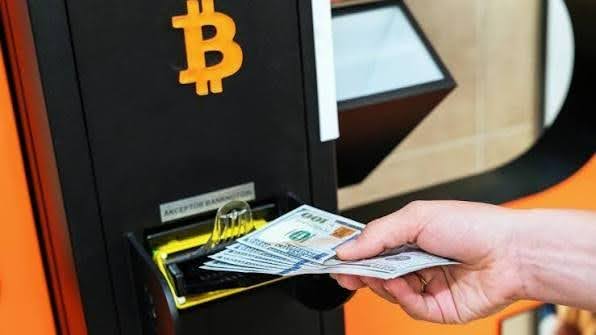
Arizona's cryptocurrency ATM consumer protection law is delivering measurable results less than a year after taking effect. The Arizona Attorney General's Office has announced that 35 victims of cryptocurrency ATM scams have recovered full refunds totaling $171,332 — averaging approximately $4,895 per victim — marking one of the first state-level frameworks in the United States designed specifically to combat crypto kiosk fraud.
Arizona's Crypto ATM Refund Program Returns Thousands to Victims
Attorney General Kris Mayes stated that the refunds were made possible through Arizona's Cryptocurrency Kiosk License Fraud Prevention law, which took effect on September 26, 2025. Under the legislation, crypto ATM or kiosk operators are required to issue refunds — including transaction fees — if a customer reports a fraudulent transaction within 30 days of its occurrence.
Victims are advised to contact either the Arizona Attorney General's Office or local police to file a complaint before the 30-day deadline. Authorities have emphasized the critical importance of timely reporting: victims may not be eligible for reimbursement unless they report within the window, even if fraud is subsequently confirmed.
The Attorney General's Office urged victims to retain transaction receipts and document key details, including the transaction amount, kiosk location, date, and a description of how the scammers initiated contact. The official press release is available on the Arizona Attorney General's website.
How Scammers Exploit Crypto ATMs
The proliferation of crypto kiosks — which number in the tens of thousands across the United States, with major operators including Bitcoin Depot, CoinFlip, and others — has made them an attractive vector for fraud, as transactions are processed rapidly, are irreversible, and are difficult to trace. Scammers frequently pose as government officials, bank representatives, tech support agents, or law enforcement officers. Victims are pressured into depositing cash into crypto ATMs or transferring funds to cryptocurrency wallets controlled by the criminals.
Arizona authorities reiterated that legitimate businesses and government agencies do not demand payment through cryptocurrency ATMs.
New Rules Add Layers of Protection
Beyond refunds, the law establishes several preventive measures. New customers face reduced daily transaction limits, and operators must display clear scam warnings on-screen before any purchase is completed. Kiosk operators are also required to provide detailed receipts for each transaction.
These steps reflect a broader regulatory trend toward targeted consumer protection measures rather than blanket restrictions on digital assets. The approach contrasts with broader debates over cryptocurrency regulation at the federal level, where comprehensive digital asset legislation remains under discussion.
Crypto ATM Fraud Remains a Growing Threat
The Federal Trade Commission (FTC) has previously warned that losses from crypto ATM scams have risen sharply in recent years, with older Americans being disproportionately affected. Criminals commonly exploit urgency, fear, and impersonation tactics to pressure victims into transferring funds immediately.
Arizona's refund program, as one of the first of its kind to produce documented consumer recoveries, may serve as a reference point for other states evaluating similar kiosk-level consumer protection frameworks.
