API Opposes Hormuz Toll Proposal, Citing Free Passage Concerns
Key Takeaways
- •The American Petroleum Institute has rejected a proposal for tolls on vessels passing through the Strait of Hormuz.
- •The proposed fee system is backed by Gulf actors and would apply to a route that handles a large share of global oil and LNG flows.
- •The API said the plan could threaten free tanker passage and affect broader shipping norms.
- •The dispute is tied to wider Iran-U.S./Israel tensions over maritime control and sanctions.
- •The U.S. has warned companies about sanctions risk if they follow Iranian fee demands.
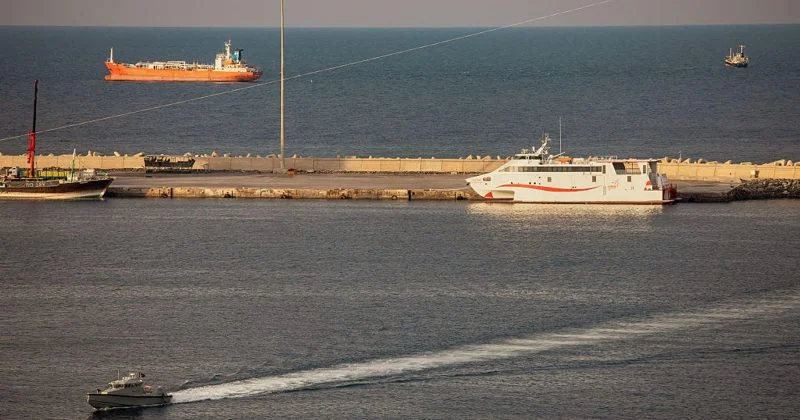
The American Petroleum Institute (API), a major U.S. oil trade group, has opposed a recent proposal for tolls in the Strait of Hormuz. Backed by Gulf actors, the proposal calls for a voluntary fee system for vessels passing through the critical maritime route, which handles a significant share of global oil and LNG flows and is closely watched because any change in access terms can affect shipping logistics and compliance decisions.
The API said the proposal raises concerns about free tanker passage and about the broader implications for global energy shipping norms. The plan has become part of the wider Iran-U.S./Israel confrontation over maritime control and sanctions, and the debate underscores how quickly a regional policy proposal can spill into the commercial rules that govern one of the world’s most important chokepoints.
The U.S. has previously warned firms about the risk of sanctions if they comply with Iranian fee demands, adding another layer of uncertainty for shippers, insurers, and energy market participants tracking how the proposal is handled.
Key Takeaways
The API’s opposition signals a strong U.S. industry position against Hormuz tolls and is consistent with lower odds of U.S. fees.
Market pricing shows a minimal probability of the U.S. implementing its own tolls in the Strait, with a 0.4% YES probability for July 31, 2026.
The API’s stance also aligns with ongoing diplomatic efforts to preserve free navigation in the Strait, which may reduce expectations for toll implementation.
What to Watch
Market participants will be watching for further statements from U.S. officials, including President Trump and Secretary of State Marco Rubio, as any change in their positions could affect market pricing.
Developments in Iranian policy on the toll proposal will also be important, especially if the fee system is formally adopted.
The expiration of a 60-day pause on Iranian tolls may provide another indicator of how the issue develops.
Get live prediction-market analysis, powered by Vera. Sign up for Vera.

