Anthropic IPO: Why the ANT Stock Rally May Not Last
Key Takeaways
- •Anthropic plans to price its IPO on Nov. 18 and begin trading on the Nasdaq under the ticker ANT on Nov. 19, with a potential valuation above $1 trillion.
- •The company reported roughly $17 billion in third-quarter revenue while disclosing $451.6 billion in computing commitments due before the end of 2030, a sum more than 26 times its latest quarterly revenue.
- •Anthropic estimates spending of more than $400 billion on data centers by 2030 and will likely need to raise capital through share sales that could dilute existing shareholders as losses climb.
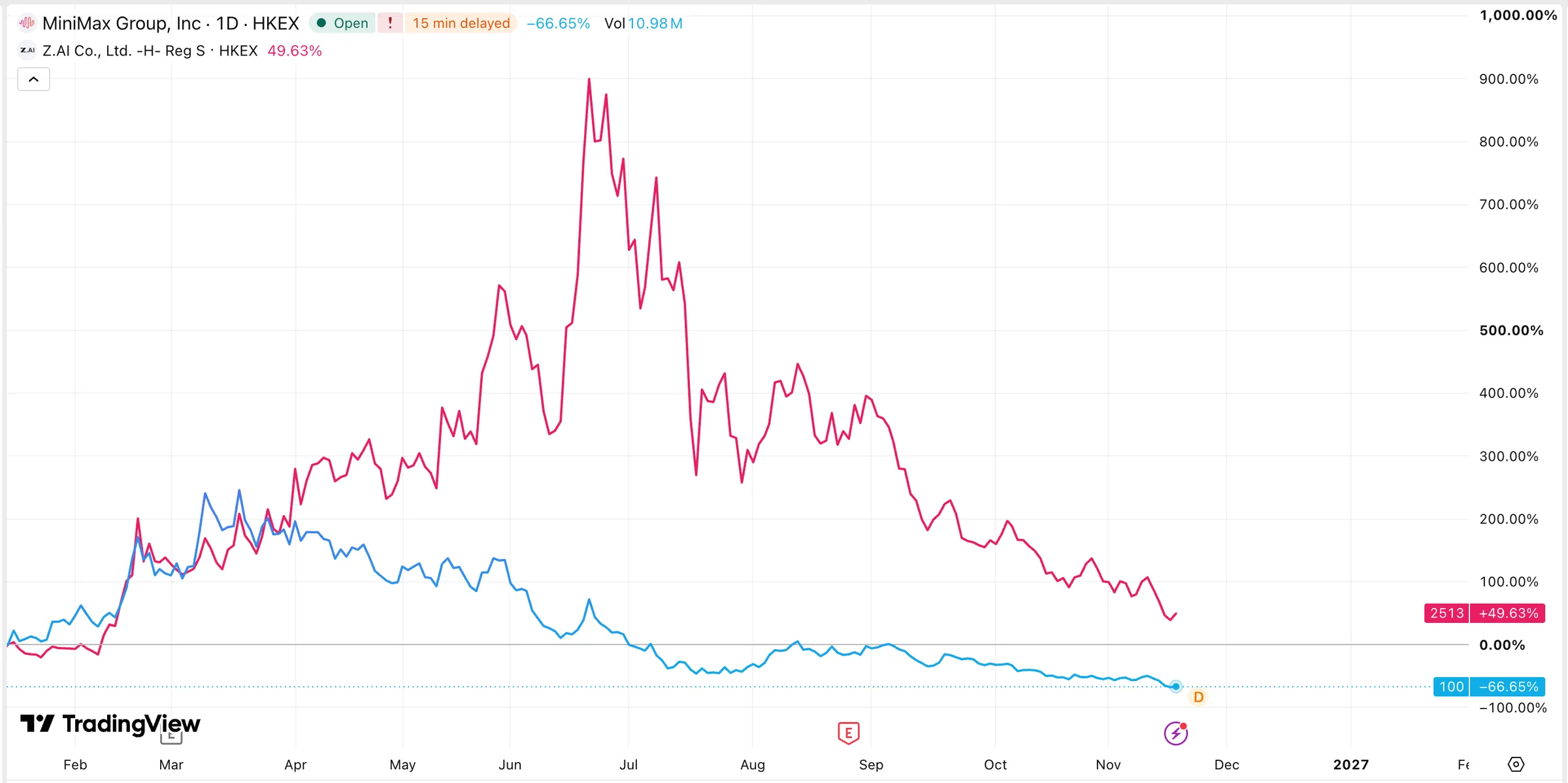
- •The listing arrives during a broad AI stock downturn, with companies such as MiniMax, Z.ai, Nvidia, and AMD falling sharply amid bubble warnings from figures including Michael Burry, Ray Dalio, and Ken Griffin.
- •Recent IPOs like Circle, Klarna, and Cerebras Systems surged after their debuts and later dropped steeply, and Financial Times data indicates investors who wait for post-IPO volatility to settle tend to achieve better results.
Anthropic's initial public offering approached its expected pricing date of Nov. 18 as investors weighed the company's rapid growth against its substantial infrastructure costs. The artificial intelligence company planned to begin trading on the Nasdaq under the ticker ANT on Thursday, Nov. 19.
Anthropic reported approximately $17 billion in third-quarter revenue, but its latest prospectus disclosed $451.6 billion in computing commitments due before the end of 2030 — a sum more than 26 times its latest quarterly revenue. Those obligations, alongside intensifying competition and a potential valuation above $1 trillion, could influence investor demand after listing. Where that valuation finally settles should become clear at the expected Nov. 18 pricing, the day before the first trade.
The Debut Comes as Most AI Stocks Fall
One reason the ANT rally may not hold is that much of the AI industry is declining. Chinese AI companies offer a clear example: MiniMax stock has plunged to $117.9, down more than 91% from its all-time high, while Z.ai has tumbled to $355, an 88% decline from its peak.
The same dynamic is playing out in the United States, where leading companies are in a strong sell-off. Nvidia, AMD, Marvell Technologies, and Lumentum have all continued their downward trends. Investors are increasingly worried that the AI bubble is about to burst following warnings from prominent figures including Michael Burry, Ray Dalio, and Ken Griffin. Given that AI stocks have historically been highly correlated, there is a risk that Anthropic shares will drop after an initial jump.
History Shows Initial IPO Surges Don't Last
Data shows that most newly listed companies surge at first and then fall once the hype fades. A report by the Financial Times found that investors who wait to buy until the dust settles tend to do better than those who invest shortly after the IPO.
Recent examples are plentiful. Circle Internet Group stock more than doubled after its IPO last year, jumping from about $60 to $300 as investors bet that its stablecoin market share would make it the next big thing in finance. Circle has since dropped to $54, and the total market capitalization of USDC stablecoins has fallen below $70 billion.
Klarna, the buy now, pay later (BNPL) giant, initially soared to $57 after its IPO last year before slumping to $14. Cerebras Systems more than doubled to a high of $386 after going public and has since fallen to its current $104. Other recent IPOs that have plunged include Medline, Figma, Bullish, SpaceX, and Gemini Space Station.
Rapid Growth, Major Risks
Anthropic's recently released S-1 filing shows it is one of the fastest-growing companies in the tech industry, with third-quarter revenue jumping to more than $16 billion.
However, the company faces several potential risks. It will need billions of dollars to fund its data center rollout, with its own estimate calling for spending of more than $400 billion by 2030. That means Anthropic will need to raise capital, including through share sales that would dilute existing shareholders, especially as losses climb.
Competition is another significant challenge, with rivals such as OpenAI and Moonshot among the threats. In the United States, Anthropic faces pressure from Meta Platforms, Google Gemini, and Grok. Perhaps more importantly, Chinese companies like Alibaba, Moonshot, DeepSeek, Z.ai, and MiniMax are gaining ground as open models become more popular and cost-effective. Data shows that the Kimi and Qwen models are highly competitive on performance, according to model leaderboards.
Regulatory risk looms as well, particularly as security incidents become more common. New rules are now anticipated after Democrats won the Senate and the House of Representatives.
This article provides general financial information, not investment advice. IPO shares can experience substantial volatility and capital losses. Investors should review the final prospectus and consult a qualified financial professional before making investment decisions.

