Anthropic's IPO Could Deliver $156 Billion to Charity, but the Money Has Yet to Move
Key Takeaways
- •Anthropic's IPO raised $81.34 billion through the sale of 980 million shares at $83 each, valuing the company at approximately $1.5 trillion when it began trading on Nasdaq under the ticker ANT on November 19.
- •At a share price of about $95, the company's philanthropic commitments are estimated at $156 billion, combining nearly $80 billion for the Public Benefit Fund with roughly $76 billion in employee pledges and corporate matching contributions.
- •None of the pledged money has yet reached charitable organizations, employee pledges are not legally binding, and typical IPO lock-up periods of around 180 days could delay share transfers.
- •Three Anthropic co-founders, who together hold 50.1% of shareholder voting power, will initially oversee the fund alongside Neil Buddy Shah, and the fund's LLC structure limits public disclosure of its grants.
- •Anthropic's projected $156 billion would equal roughly a quarter of the $617 billion that Americans donated to charity in 2025.
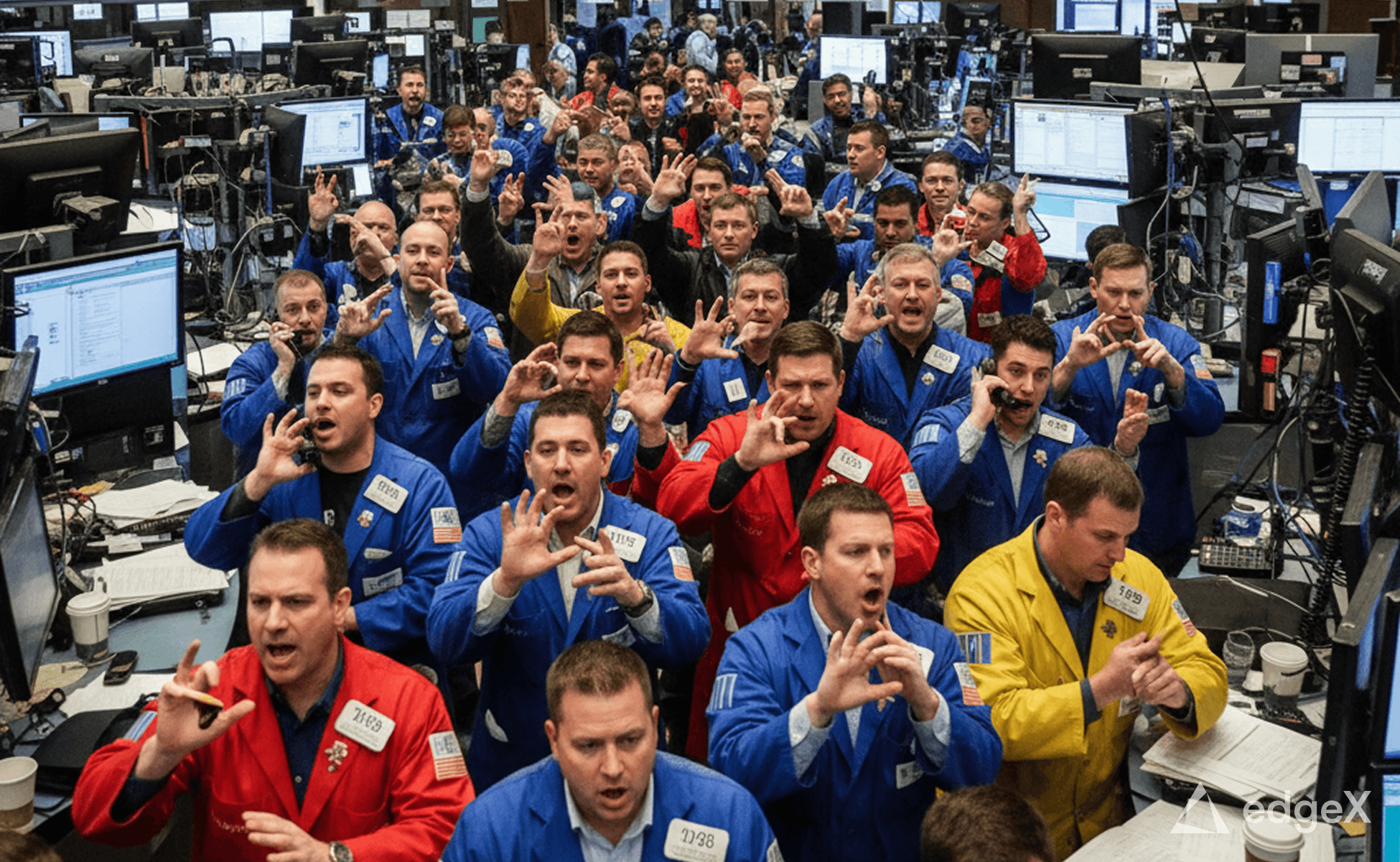
Anthropic has raised $81.34 billion through its initial public offering, and the artificial intelligence company's philanthropic commitments could ultimately be worth an estimated $156 billion for charitable causes. None of that money, however, has yet reached charitable organizations. The figure, calculated by TechCrunch, is based on the shares sold in the offering and on the company's stated promises rather than on donations actually delivered to nonprofits.
An $83 debut and a $1.5 trillion valuation
Anthropic sold 980 million shares at $83 apiece in its debut, lifting the company's valuation to roughly $1.5 trillion. The stock began trading on the Nasdaq exchange under the ticker ANT on Thursday, November 19.
When TechCrunch produced its estimate, ANT shares were trading at about $95, a level at which Anthropic's charitable commitments carry a potential value of $156 billion.
Where the $156 billion would come from
The potential windfall rests on two pillars.
The first is the Public Benefit Fund, a company-controlled LLC expected to receive close to 850 million shares, equivalent to 5% of Anthropic's shares, though the grant remains subject to shareholder consent. At $95 per share, that stake would be worth nearly $80 billion. Anthropic's board could also expand the allocation by an additional 2% for each 50% increase in the company's future valuation from a pre-defined level.
The second pillar, worth roughly $76 billion, combines employee donations with corporate matching. Employees have pledged an estimated $23 billion in shares, while Anthropic has committed a further $53 billion in matching contributions. According to its SEC filing, the company matches some employee donations at a three-to-one ratio.
The projections are closely tied to Anthropic's share price. At $83, the overall value drops to approximately $136 billion. At $110, it rises to $181 billion, and at $125 it climbs to $205 billion. These calculations assume the number of shares remains unchanged; any additional allocation to the fund would push the totals even higher.
Pledged shares are not grants
Several uncertainties hang over the $156 billion estimate. Employee pledges are not binding, and shareholders may have to wait before transferring their stock. IPO lock-up periods typically last 180 days, according to Bernstein — a span of roughly six months measured from the November 19 debut — and Anthropic's share price could move considerably during that window. Because the pledges are denominated in shares, their eventual value will depend on where the stock trades when they can be fulfilled.
Even after shares are donated, the money may not reach nonprofits immediately. Some donations could flow into donor-advised funds (DAFs), which distribute grants over time rather than all at once. The DAF Research Collaborative reported $327.87 billion in DAF assets in fiscal 2024, with a 25.2% payout rate.
Three co-founders decide, for now
Another open question is who controls the money. According to the Chronicle of Philanthropy, three Anthropic co-founders and Neil Buddy Shah will initially oversee the fund. The co-founders also hold 50.1% of shareholder voting power — a majority stake that gives them a decisive voice over whether the fund's share grant is approved — and their separate pledge to donate 80% of their own equity is not legally binding.
The fund's LLC structure gives its managers more flexibility than a traditional foundation but also limits public scrutiny. Unlike private foundations, LLCs generally are not required to disclose their grants publicly. The Chan Zuckerberg Initiative and Emerson Collective use similar structures, while the Gates Foundation publishes detailed financial reports. That leaves outsiders with little visibility into how Anthropic's charitable resources will actually be spent.
A $200 million bet on jobs — and bigger questions
Anthropic has already committed $200 million to studying and addressing AI's impact on workers. The company has also raised the possibility of giving money directly to affected communities, though no such program has been confirmed.
The potential scale is enormous. Americans donated $617 billion to charity in 2025, and Anthropic's projected $156 billion would equal roughly a quarter of that amount. Yet Dalberg estimates that $251.5 billion already sits in DAFs — part of a "new generation of giving" that the consultancy flagged among the philanthropic trends it is watching in 2026.
Anthropic's promise could still make a difference. What matters now is how much of the money reaches nonprofits, how soon it arrives, and who decides where it goes. The first concrete markers to watch are the shareholder vote on the Public Benefit Fund's share grant, the earliest movement of pledged shares once lock-up restrictions lift, and whether the fund chooses any disclosure beyond what its LLC structure requires.

