Anthropic study finds human attention is the bottleneck as staff manage 'an army of Claudes'
Key Takeaways
- •AI agents at Anthropic collectively surpassed human working hours for the first time in March, and by August agent hours exceeded human hours by a ratio of six to one.
- •Human attention has the constraint on agent productivity, with 80% of elapsed time in Claude sessions spent waiting for employee input or approval.
- •The share of interactive Claude sessions devoted to managing agents, or 'meta-work,' rose from 10% to 22%, and the median employee now spends 20% more time in meetings than a year ago.
- •Entry-level technical hiring has contracted sharply, with the share of junior technical hires falling from 27% to 9%, raising concerns about the loss of the traditional first rung of the career ladder.
- •Anthropic employees expect AI to be able to complete three-quarters of their work by 2030, far above the 28% predicted by other U.S. workers in a separate study.
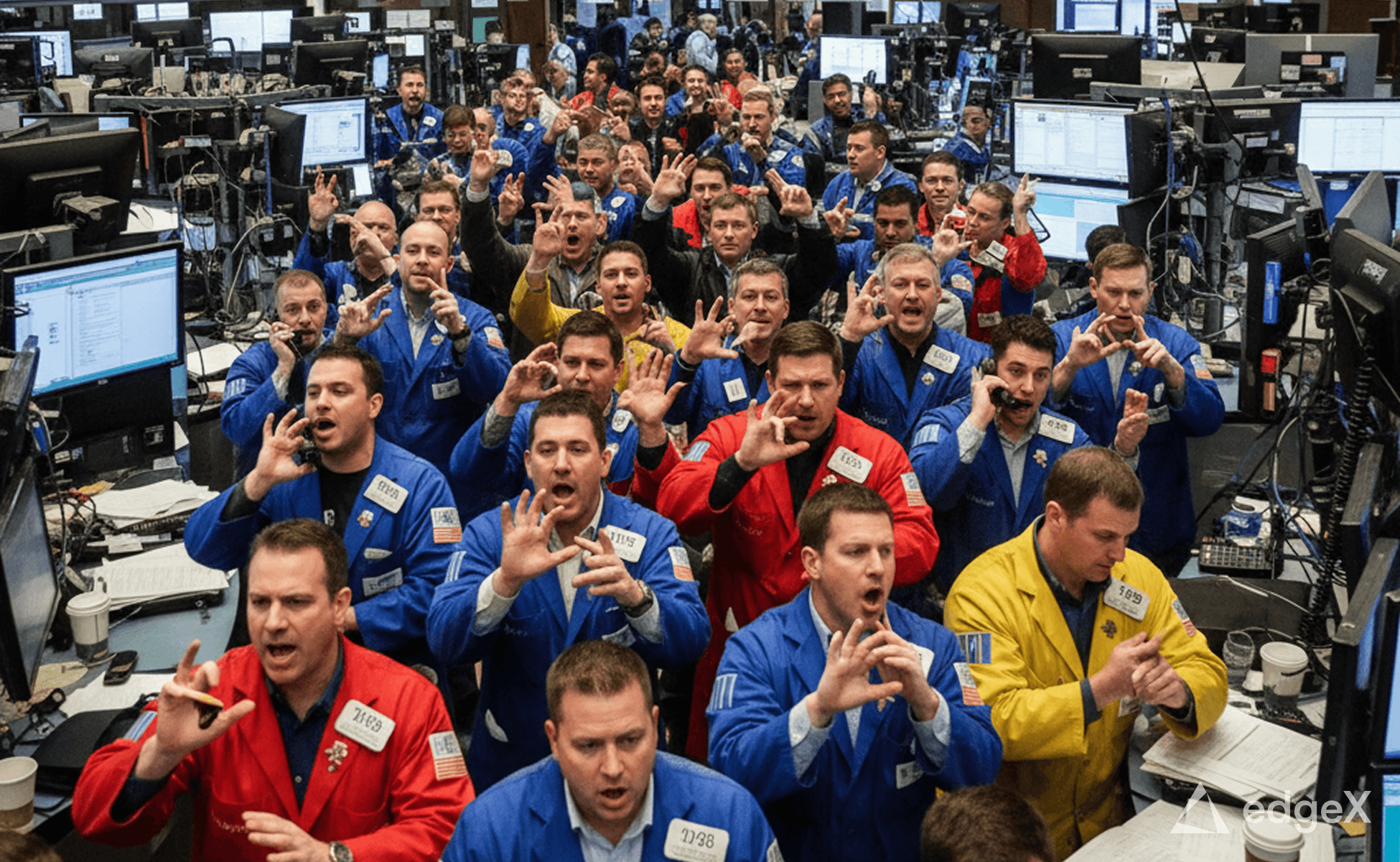
Anthropic has released an internal study of its own workforce, offering one of the earliest glimpses what an AI-dominated company might look like—and it involves minding a very large flock of bots.
According to the report, AI agents now move so quickly that 80% of elapsed time in Claude sessions consisted of agents waiting for a human's input. "This acceleration makes human attention the bottleneck for agent output," the report stated. In other words, the machines are no longer the limiting factor—how much work gets done depends on how quickly people can review, direct, and approve.
Even employees without supervisory duties increasingly behave like managers of multiple AI agents, which complete tasks but periodically demand direct attention. One employee described bot management as "an army of Claudes, with every one asking for my attention."
That bottleneck is the flip side of a sharp rise in output. Employees are producing more and moving faster, the company found. AI agents collectively surpassed human working hours for the first time in March, and by August agent hours outnumbered human hours six to one. Software engineers' code commits have grown fivefold over the past six months. Nontechnical staff, meanwhile, have personal agents monitoring their email and calendars, sending to-do lists assembled from messages, and briefing them on the purpose of upcoming meetings.
The changes have lifted some manual labor off employees' plates, but they have also reshaped the workday itself. Managing agents is becoming a job in its own right. The share of employees' interactive Claude sessions devoted to such "meta-work" climbed from 10% to 22%, according to the report. Even for nontechnical employees, reading everything their Claude agents produce would consume roughly half of the workweek. And private work conducted in unlogged meetings and direct messages is "invisible, confusing, and discouraged in an AI-heavy workplace," the report said.
The median employee now spends 20% more time in meetings than a year ago. Part of that stems from the company's growth—Anthropic now employs more than 3,500 people—and part from an emphasis on hiring for nontechnical roles. Yet meeting time is up 16% even among technical individual contributors, a sign that humans are devoting more of their days to coordination and decision-making while agents autonomously handle tasks such as repetitive coding.
The pace continues to ratchet up. As soon as a new model becomes available, Anthropic employees begin tackling harder problems, the report found. One employee described "eternal pressure at Anthropic to move as fast as possible and use Claude for everything."
Jobs redefined
In some cases, employees using AI have streamlined their own responsibilities out of existence. The report cites a product design team—formerly responsible for writing short pieces of copy for the company's website, including the greetings displayed on Claude.ai—that began using AI to draft the copy this spring. "The team then rotated into agent prompting and began writing model evals and prompts for Claude," the report read.
The phenomenon appears increasingly common at Anthropic as AI absorbs tasks. The company said in the report that employees with at least a year of tenure were 50% more likely to move across departments each month in 2026 than in 2025. Still, Anthropic said it has made an effort to identify at-risk jobs and reassign affected employees to other positions.
The hiring process is changing as well. Managers increasingly weigh applicants' autonomy and judgment over specific technical expertise, according to the report. Fewer entry-level workers are being brought on: the share of junior-level employees in technical departments fell to 14% from 21% in early 2025, and the share of junior technical hires dropped faster still, from 27% to 9%. Open positions for those junior roles have also plummeted since December, the report found. The entry-level contraction carries particular weight because junior roles have traditionally been the first rung of the career ladder—the place where new workers convert education into on-the-job experience.
The trend is likely to compound anxiety about AI-driven job displacement, which runs especially high among young people. A survey from recruiter platform iCIMS published earlier this year found that 51% of Gen Z respondents considered AI the greatest threat to their job security. A Deutsche Bank Research survey from last year similarly found that nearly one in five Gen Z workers worries AI will cost them their job within the next two years, compared with just one in 10 baby boomers who said the same.
The bigger picture
Looking ahead, Anthropic employees expect AI to absorb a growing share of their daily responsibilities. As of August, they said they expect AI to be able to complete three-quarters of their work by 2030, compared with a less optimistic 28% predicted by other U.S. workers, according to a separate Anthropic study—a 47-percentage-point gap that shows how differently the agent era looks from inside an AI-heavy workplace.
Whether the changes at Anthropic foreshadow the average future workplace remains unclear. The AI company commands enormous resources and is nearing a potential $2 trillion IPO that could break records, and it has embedded AI deeply in its workflows to an extent other companies may not match.
Still, the report sketches a picture of transformative change that could anticipate how companies and corporate roles evolve as AI adoption takes root. As tasks like writing code, identifying bugs, and drafting emails are automated away, Anthropic employees have found that big-picture work increasingly matters most. As one employee in the report put it, "That 20% that was strategic becomes 90% of the job."
This story was originally featured on Fortune.com.

