Deadly Fire Casts Doubt on Launch of Russia’s Amur Polymer Hub
Key Takeaways
- •The fire broke out in an auxiliary section of the complex’s pyrolysis unit while commissioning work was under way.
- •Seven people were killed and more than 130 were injured, including six Chinese nationals among the dead.
- •Preliminary assessments indicated that the complex’s main equipment was not damaged, but operations were suspended during the emergency response.
- •Amur GCC is jointly owned by Sibur and Sinopec and was preparing to start polyethylene production this month.
- •The complex is designed to become Russia’s largest base-polymers plant and is expected to export more than 90% of its output, mainly to Southeast Asia and China.
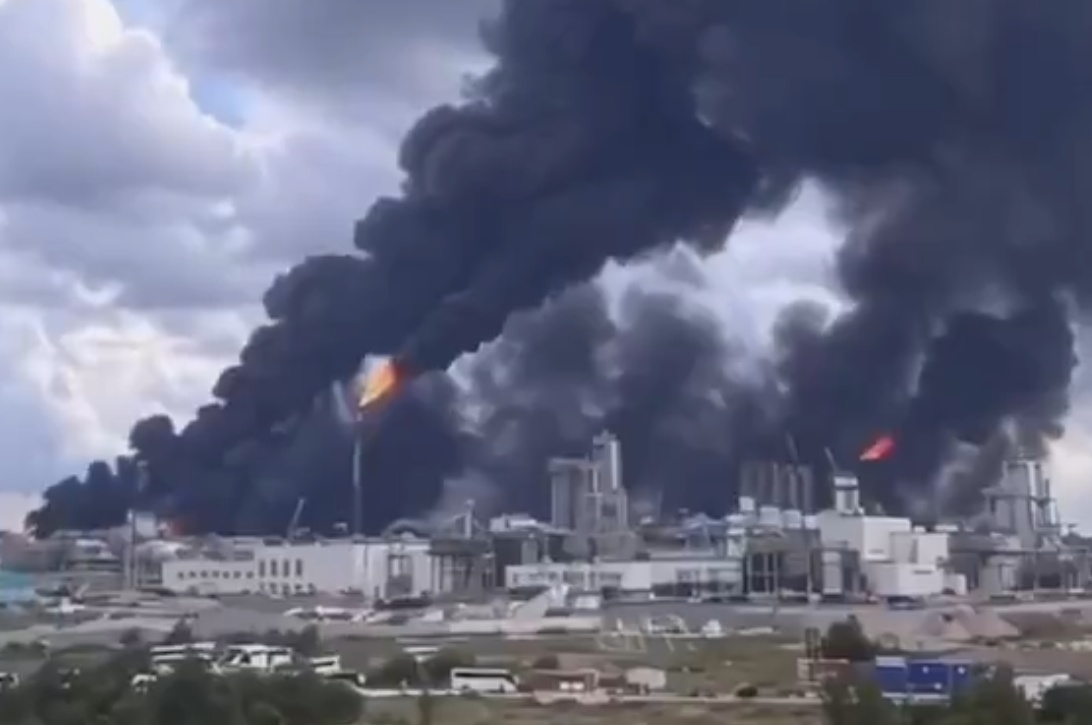
A deadly fire at Russia’s $12bn Amur Gas Chemical Complex has raised uncertainty over the imminent launch of a major new polymer export stream aimed largely at Asian markets through Russian Far East ports.
Seven people, including six Chinese nationals, were killed and more than 130 injured in Tuesday’s incident at the Sibur-Sinopec project near Svobodny in Amur Oblast.
The fire broke out in an auxiliary section of the complex’s pyrolysis unit while commissioning work was underway. The company said preliminary assessments indicated the main equipment had not been damaged. Operations were suspended while emergency teams carried out a controlled burn-off of remaining process gases.
Amur GCC is 60% owned by Sibur and 40% by China’s Sinopec. The project had been preparing to produce its first polyethylene this month, with all polyethylene lines expected to start by the end of the year and polypropylene production following in 2027.
When fully operational, the complex is designed to produce 2.3 million tonnes of polyethylene and 400,000 tonnes of polypropylene each year, making it Russia’s largest base-polymers facility. Sinopec has previously said total investment in the project is around $11.8bn.
More than 90% of Amur’s output is expected to be exported, with Southeast Asia and China the main markets. Sibur has agreements with FESCO and the port of Vladivostok for transporting finished Amur products in containers through Vladivostok to Asia-Pacific destinations, underscoring how closely the plant is tied to Russia’s Far East logistics network.
The cause of Tuesday’s fire remains unclear. Russian authorities have opened an investigation into possible breaches of industrial safety rules, while the company has formed its own commission. There is currently no evidence that Ukraine was involved.
Amur is located roughly 6,000 km from Ukraine, however, making the question notable. If Ukrainian involvement were eventually established, it would represent an extraordinary extension of Kyiv’s reach and by far its deepest known attack inside Russia.
Elsewhere, Ukraine’s campaign against Russian energy infrastructure intensified overnight after drones struck LUKOIL’s Nizhegorodnefteorgsintez refinery at Kstovo, where explosions were followed by a large fire. The refinery, one of Russia’s largest, has the capacity to process about 17 million tonnes of crude a year and produces gasoline, diesel, aviation fuel and lubricants.
The latest strike comes as fuel shortages across Russia become increasingly acute. Petrol availability reportedly fell to just 28% of filling stations last week, while rationing and purchase restrictions have spread across numerous regions. Moscow has also extended restrictions on diesel exports as repeated refinery attacks continue to squeeze domestic supplies.
