Altcoin Spot Volume Nears Four Times Bitcoin's, Highest Ratio Since September 2025, Glassnode Says
Key Takeaways
- •Altcoin spot trading volume has climbed to nearly four times Bitcoin's spot volume, its highest ratio since September 2025, according to Glassnode.
- •The surge in altcoin spot activity coincides with shrinking Bitcoin ETF inflows across multiple consecutive sessions, suggesting diverging behavior between crypto-native trading and institutional channels.
- •The spot-volume ratio measures where trading activity is concentrated, not price direction, market capitalization, or whether traders are net buyers or sellers.
- •The previous September 2025 peak in the ratio did not confirm an altcoin season and subsequently reverted as market conditions shifted back toward Bitcoin.
- •Durable confirmation of sustained capital rotation would require the ratio to persist across multiple sessions alongside net positive ETF inflows into altcoin products such as ETH, XRP, and Solana.
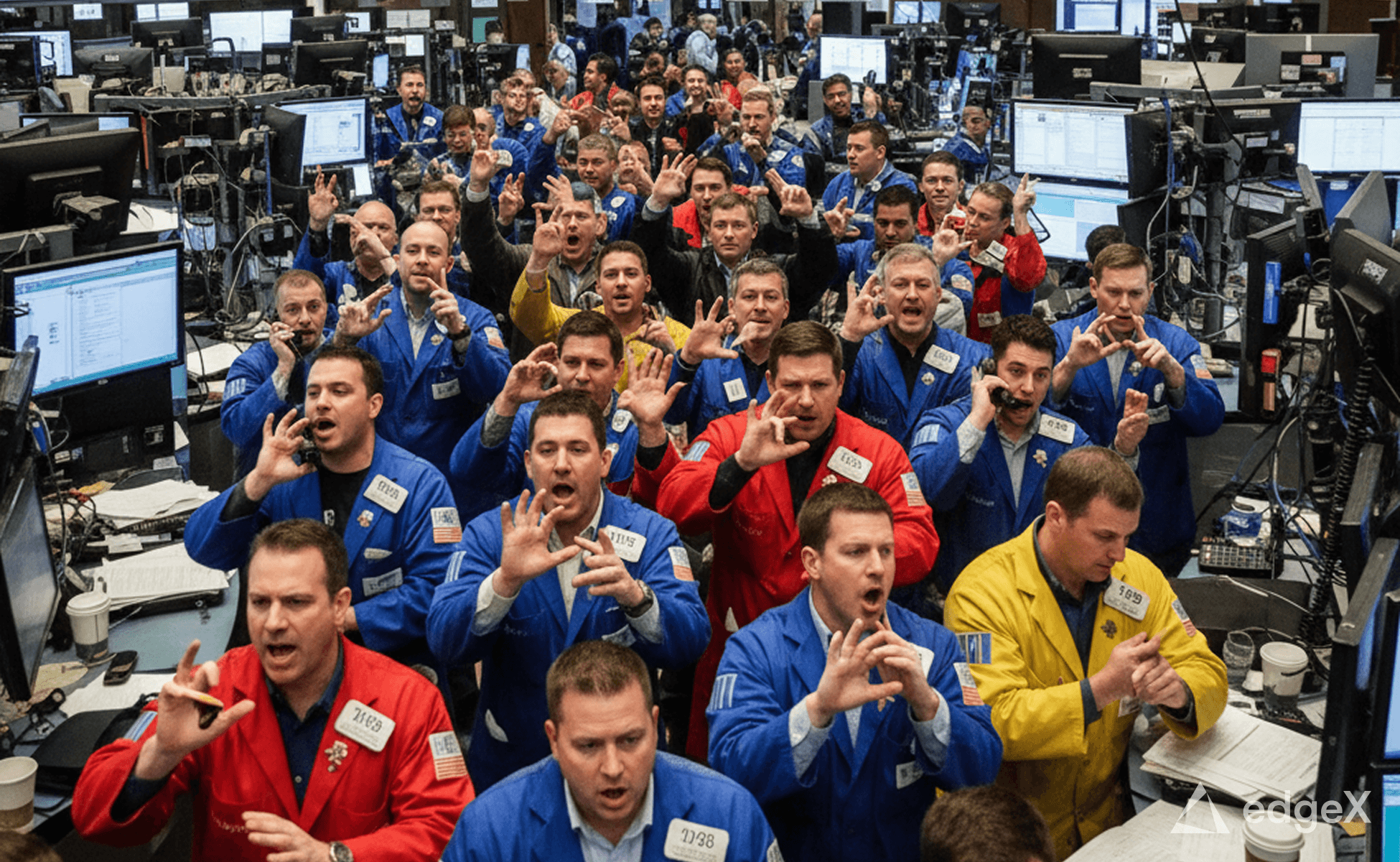
Altcoin spot trading volume has climbed to nearly four times Bitcoin's spot volume, reaching its highest ratio since September 2025, according to on-chain analytics firm Glassnode. The divergence marks a notable shift in where market participants are directing execution activity, even as the directional implications for altcoin prices remain unclear.
Altcoin Spot Volume Nears Four Times Bitcoin's
The altcoin-to-Bitcoin spot-volume ratio measures how much trading activity is concentrated in non-Bitcoin assets relative to Bitcoin itself on spot markets rather than derivatives venues. That distinction matters because spot trades involve the exchange of the underlying assets themselves, separating direct token turnover from leveraged positioning built on derivatives contracts. A ratio approaching 4x does not reflect market capitalization or price performance; it reflects where traders are placing orders at current prices across centralized and decentralized exchanges.
In its latest Week On-Chain report, Glassnode identified the current ratio as the most elevated since September 2025, suggesting that spot market participants have rotated execution activity away from Bitcoin and toward the broader altcoin complex. The September 2025 comparison is significant because that period coincided with a prior phase of heightened altcoin interest before market conditions shifted back toward Bitcoin dominance.
Coverage of the Glassnode data by CryptoSlate noted that the volume shift coincides with a period of shrinking Bitcoin ETF inflows across multiple consecutive sessions, a dynamic that adds context to where spot-market attention has migrated. The parallel between declining institutional ETF activity and rising altcoin spot volume signals a potential divergence in market behavior across different participant segments. The two gauges also track distinct channels of participation: ETF flows measure allocations through regulated exchange-traded products, while spot volume reflects trading across crypto-native venues. For additional context on recent ETF flow dynamics, BlackRock-led Bitcoin ETF inflows have shown periodic rebounds even during broader cooling phases.
What the Volume Shift Could Signal
Elevated volume measures trading activity, not price direction or sustained capital rotation. High altcoin-to-Bitcoin spot volume can reflect capital rotating beyond Bitcoin, but it can equally reflect speculative churn: traders cycling through altcoins at higher velocity without committing sustained capital. The Glassnode metric captures how much trading is happening in altcoins relative to Bitcoin, not whether those trades come from net buyers or net sellers. In other words, the reading shows where order flow is concentrated, not which side of the market is dominant.
The prior September 2025 high-water mark for the ratio did not, on its own, confirm an altcoin season (the term for a sustained stretch in which alternative cryptocurrencies broadly outperform Bitcoin); it marked a period of elevated activity that subsequently reverted. That precedent suggests the current reading is a signal worth monitoring rather than a directional forecast. Altcoin-specific ETF inflows for assets such as ETH, XRP, and Solana would provide more durable confirmation of sustained capital rotation if they were to accelerate in parallel.
For the ratio to carry forward-looking weight in the AI-crypto compute context, the more meaningful question is whether activity is concentrating in infrastructure-adjacent tokens, such as decentralized compute networks or oracle layers, versus broadly speculative assets. Volume alone does not distinguish between the two. Whether the ratio persists and whether it broadens across a diverse set of altcoins, rather than concentrating in a handful of names, are the follow-on data points that would elevate the reading from a one-session anomaly to a structural shift.
Elevated spot volume can also reflect heightened volatility rather than demand, as traders increase position turnover during uncertain price periods. A sustained move in the ratio, confirmed over multiple sessions alongside net positive ETF flows into altcoin products, would constitute a stronger evidence base. Until then, macro factors including Treasury yields and Federal Reserve positioning remain active variables capable of redirecting spot activity back toward Bitcoin on short notice.
Disclaimer: This article is for informational purposes only and does not constitute financial or investment advice. Cryptocurrency and digital asset markets carry significant risk. Always do your own research before making decisions.

