Airtel Africa Begins New Share Buyback Phase to Cancel Up to 12 Million Shares
Key Takeaways
- •Airtel Africa plans to repurchase and cancel up to 12 million ordinary shares by December 22, 2026, in the latest tranche of a buyback programme introduced in May.
- •Citigroup has been appointed to carry out the share purchases on the market, excluding the Nigerian Exchange, before transferring them to the company for cancellation.
- •The first phase was completed in September, with roughly $108.7 million spent to buy back and cancel 24.5 million shares, according to half-year results.
- •About 0.33% of the company's shares remain available under the 1% mandate, and full execution of this phase would bring the programme to its ceiling.
- •Cancelling repurchased shares lowers the outstanding share count and can improve earnings per share, although this does not guarantee a rise in the share price.
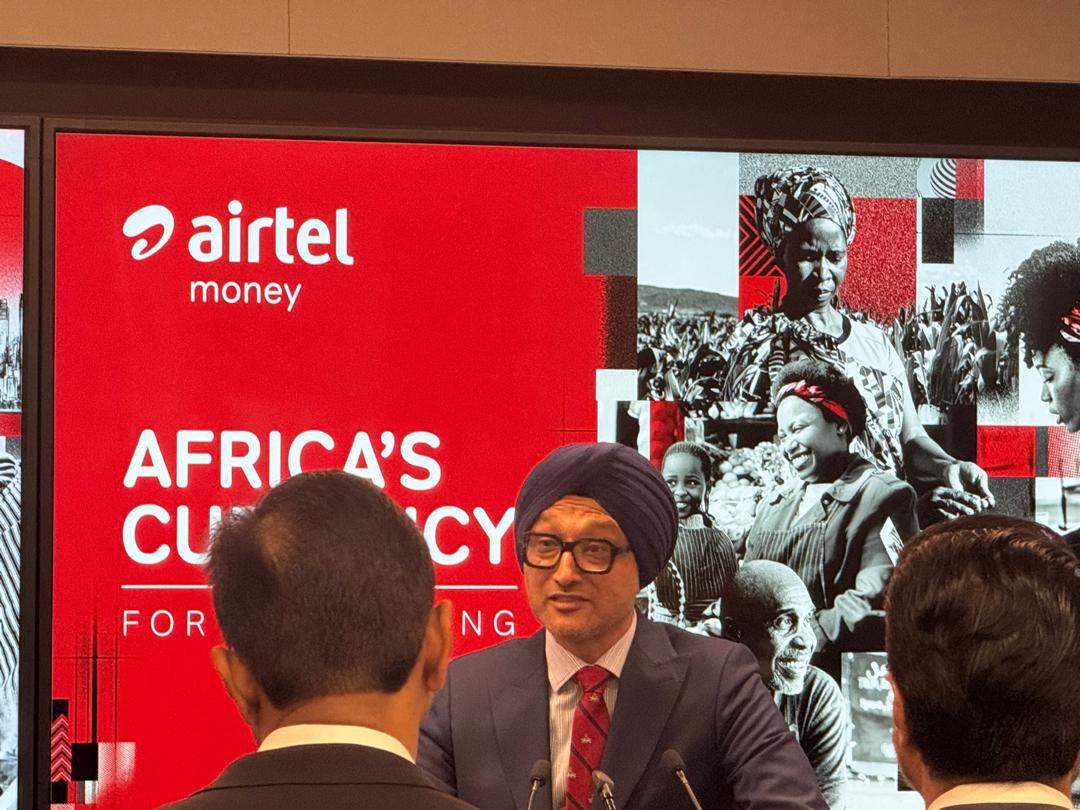
Airtel Africa has announced a new phase of its share buyback programme, under which it plans to purchase and cancel up to 12 million of its ordinary shares by December 22, 2026. The initiative was disclosed in a circular released by the company on November 5, 2026, and filed with the Nigerian Exchange, where it is available here. Airtel Africa provides mobile telecommunications and mobile money services across multiple African markets.
The new tranche follows the completion of the programme's first phase in September. Originally introduced in May, the buyback allows Airtel Africa to repurchase up to 1% of its total shares. After the first phase ended, approximately 0.33% of the company's shares — roughly 12 million — remained available for repurchase.
To execute the transactions, Airtel Africa has appointed Citigroup (Citi), which will buy the shares on the market before transferring them back to the company for cancellation. Once cancelled, the shares will no longer be counted as part of Airtel Africa's total issued shares. Delegating purchases to an appointed intermediary is a standard practice for on-market buybacks.
The current phase is set to run until December 22, 2026, unless it is completed earlier. The company also noted that the share purchases will not take place on the Nigerian Exchange (NGX). Airtel Africa's shares also trade on the London Stock Exchange, where the company has been listed since its June 2019 initial public offering.
A share buyback occurs when a company uses its own funds to repurchase shares from investors. Companies pursue the strategy for several reasons, including returning cash to shareholders and reducing the number of shares in circulation. In Airtel Africa's case, the repurchased shares will be cancelled rather than held for future use, reducing the total number of outstanding shares once the exercise is complete.
A lower share count increases the percentage of the company owned by remaining shareholders. If a company has 100 shares and an investor holds 10 of them, that investor owns 10% of the company. If the company then buys back and cancels 10 shares, only 90 remain — meaning the investor's 10 shares would represent about 11.1% of the business.
For Airtel Africa shareholders, the impact will be more modest, since the company is targeting only about 0.33% of its total shares in this phase. Nevertheless, with fewer shares on the market, earnings per share (EPS) can improve. EPS measures how much profit is attributed to each share. If a company's profit remains unchanged while its share count decreases, EPS can rise even without any growth in overall earnings.
An increase in EPS, however, does not guarantee that the share price will rise or that all investors will profit. The final outcome depends on several factors, including the price Airtel Africa pays for the shares, its overall financial performance, and how investors perceive the business.
According to its half-year results, Airtel Africa has so far spent around $108.7 million to buy back and cancel 24.5 million shares under the first phase of the plan. The programme forms part of a broader strategy to return cash to shareholders and manage the company's capital effectively. If the current tranche is executed in full, the roughly 0.33% remaining under the mandate would be used up, bringing the programme to the 1% ceiling set when it was introduced in May.
It is worth noting that funds used for buybacks cannot be deployed for other purposes, such as expanding operations, launching new services, or reducing debt. Investors should therefore weigh the buyback against the company's overall financial health before making any decisions.

