Airtel Africa to spend much of $1.1 billion capex on fibre and spectrum in 2026
Key Takeaways
- •Airtel Africa will direct most of its $1.1 billion capital expenditure for 2026 toward fibre rollouts and spectrum acquisition to expand coverage across its 14 African markets.
- •The Nigerian Communications Commission approved the renewal of Airtel's 900MHz spectrum licence for $37 million (₦50.5 billion at ₦1,365/$1), covering a 10-year term from December 2031 to November 2041.
- •Quarterly revenue rose 31% year-on-year to $1.85 billion, driven by $750 million in data revenue and $640 million in voice revenue.
- •Airtel Africa's customer base grew from 169.4 million to 189 million, with data customers approaching 90 million and average revenue per user rising from $2.8 to $3.3.
- •CEO Sunil Taldar identified infrastructure vandalism as a major threat to network quality, with operators recording an average of 500 fibre cuts per week in the first three months of the year.
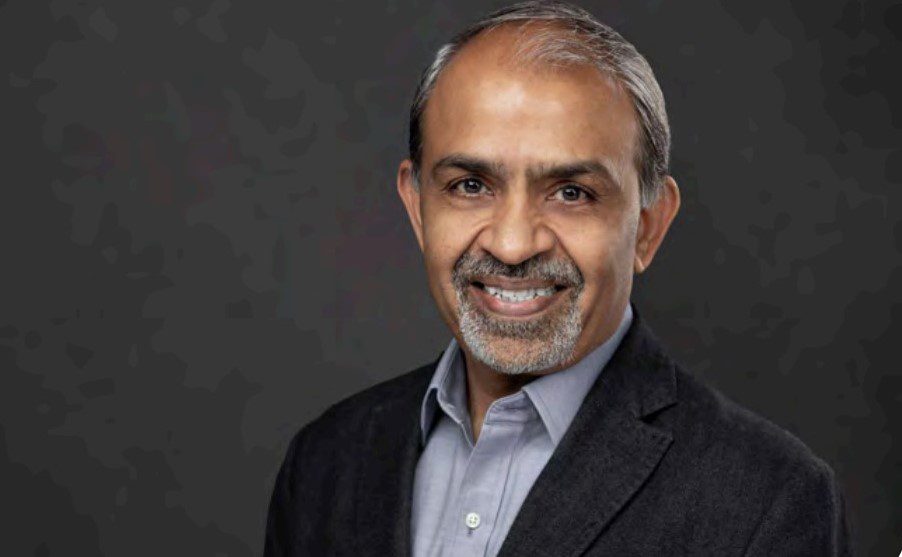
Telecoms company Airtel Africa has said most of its $1.1 billion capital expenditure (CAPEX) for 2026 will be directed toward fibre rollouts and spectrum acquisition as it works to improve network quality across its 14 African markets.
In an interview with Arise News during the Business Report programme on Friday, Airtel Africa CEO Sunil Taldar said the company wants to improve customer experience and use new infrastructure to deepen internet penetration.
Africa is seeing strong growth in smartphone adoption, which is driving higher internet usage. As a result, subscribers need fast and stable 4G and 5G networks to support data consumption. For operators, that means network coverage and capacity upgrades remain central as demand shifts further toward data-heavy services, including home broadband.
“ If you look at Africa, we see a huge opportunity in Africa with smartphone penetration. To realise this opportunity, what we need to do is to expand coverage. So our capital expansion goes into expanding coverage, first and foremost, ” the CEO said.
Taldar said telecom operators must continue investing in new infrastructure and upgrading existing systems to keep pace with the growth in telecom users. He added that a large share of Airtel Africa’s $1.1 billion capex will go toward spectrum and fibre optic cable.
“To add data capacity to support this continuously growing demand for data, we need to manage this entire consumption growth trend in our transport market, from massive markets to fibre.”
“Big investment is going into acquiring new spectrum wherever spectrum is available. So this is for our mobile growth. Then what we’re also seeing is that home broadband is another emerging opportunity in Africa.”
In its Q2 2026 earnings report, the company said it had secured regulatory approval from the Nigerian Communications Commission (NCC) for the renewal of the 900MHz spectrum licence of its Nigerian subsidiary.
Under the agreement, the 900MHz spectrum renewal fee has been set at $37 million, with payment to be made in naira of ₦50.5 billion at an exchange rate of ₦1,365/$1.
The renewed operating licence will be valid for 10 years and will take effect upon the expiry of the current term. The existing licence, signed in February 2021, runs from December 1, 2021, to November 30, 2031, while the new agreement will run from December 1, 2031, to November 30, 2041.
Taldar has also pointed to fibre cuts and vandalism of connectivity equipment as a major threat to network quality, alongside retained earnings growth, divestment activity and funding plans for new telecom infrastructure.
During the interview, he warned that damage to fibre cables, theft of batteries, cables and diesel, and damage to generators are contributing to repeated network outages.
Despite telecom infrastructure being designated as critical national assets, vandalism continues. In the first three months of the year, telecom operators recorded an average of 500 fibre cuts per week.
Taldar called for stronger efforts to curb damage to national infrastructure and urged Nigerians to raise the alarm whenever they see people damaging or stealing telecoms equipment.
The company’s revenue for the quarter rose 31% year-on-year to $1.85 billion, driven by data revenue of $750 million and voice revenue of $640 million. Revenue from mobile money operations stood at $404 million, while revenue from other services was $129 million.
Airtel Africa’s customer base across its 14 African markets increased from 169.4 million to 189 million, while its data customer base approached 90 million. The operator reported average revenue per user of $3.3, up from $2.8 a year earlier.

