Alphabet Falls, Intel Surges and Tesla Drops in AlphaSpace Weekly Recap
Key Takeaways
- •Alphabet raised its full-year capital expenditure guidance to a range of $195 billion to $205 billion, up from $180 billion to $190 billion, contributing to a 7.13% single-day stock decline.
- •Intel recorded its strongest revenue growth rate in 15 years during the second quarter, with foundry segment sales rising 30.5% year over year.
- •The US government holds a 9.9% nonvoting ownership stake in Intel following an $8.9 billion investment made on August 22, 2025, and Intel shares have risen 320% since that agreement.
- •Tesla plans to commit $25 billion in capital expenditures for 2026, roughly three times its historical spending level, prompting a 14.5% stock drop to yearly lows.
- •Investor focus across multiple technology earnings has centered on the gap between artificial intelligence infrastructure spending and the timeline for meaningful revenue returns.
Earnings season accelerated sharply over the past week, and the pace is set to remain intense next week with results expected from companies including Amazon (AMZN), Meta (META), and Microsoft (MSFT).
Yahoo Finance AlphaSpace highlighted several notable stock moves from the week, including sharp reactions in Alphabet (GOOG, GOOGL), Intel (INTC), Tesla (TSLA), and SpaceX (SPCX). The common thread across several of the moves was investor scrutiny of how much companies are spending to build or expand artificial intelligence infrastructure, and how quickly those investments may translate into revenue growth.
Alphabet shares fall after capex outlook
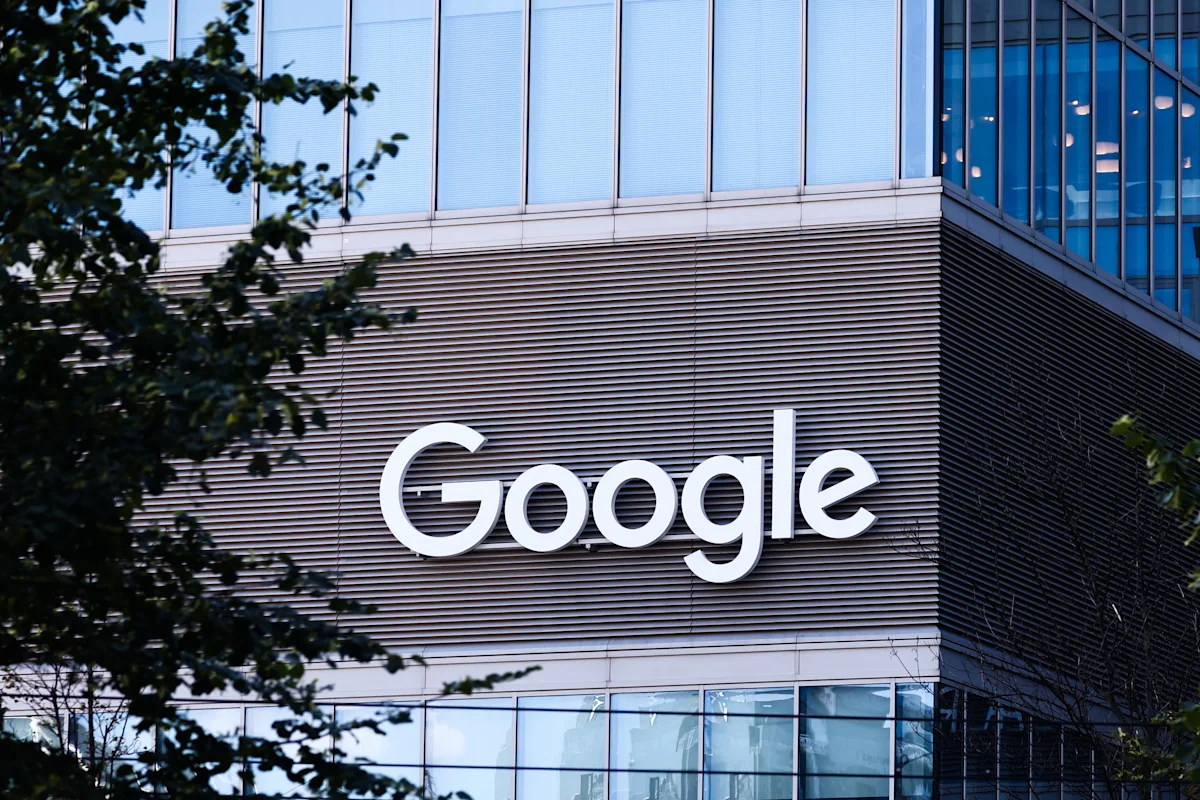
Alphabet's second-quarter earnings report included several positives tied to artificial intelligence, but investors focused heavily on the company's capital spending plans.
The Google parent reported second-quarter capital expenditures of $44.9 billion, slightly above Wall Street forecasts of $44.7 billion. The company also raised its full-year capital expenditure guidance to a range of $195 billion to $205 billion, up from a previous range of $180 billion to $190 billion. Executives said on the earnings call that a "significant" increase is expected in 2027.
For Alphabet and other large technology companies, capital expenditures have become a central earnings-season metric as AI investment requires data centers, servers, networking equipment, and advanced chips. That has made spending guidance an important signal for investors evaluating margins and cash generation alongside AI-related growth opportunities.
Alphabet stock fell 7.13% on Thursday, wiping out about $293 billion in market value that day. According to AlphaSpace data, the post-earnings sell-off pushed the shares below the key 200-day moving average.
The move put renewed attention on Alphabet CEO Sundar Pichai, who is often low-profile in public communications.
Intel posts strongest revenue growth in 15 years
Intel (INTC) delivered a second-quarter report that marked a notable improvement for the chipmaker.
The company recorded its strongest revenue growth rate in 15 years during the quarter. Revenue across all business segments exceeded Wall Street forecasts. Intel's chipmaking operations also continued to recover, with sales in the foundry segment rising 30.5% from a year earlier.
The foundry business remains an important part of Intel's broader turnaround effort, as the company seeks to compete in contract chip manufacturing while maintaining its core processor business. The segment's performance is also watched closely because advanced semiconductor manufacturing has become a strategic priority for both the technology industry and US policymakers.
The quarter also drew attention back to the US government's equity stake in Intel, which was taken on Aug. 22, 2025.
Under that agreement, the Trump administration converted previously awarded but not yet disbursed CHIPS Act and Secure Enclave funding into an $8.9 billion investment in Intel common stock. The transaction gave the federal government a 9.9% nonvoting ownership stake in the company. Including earlier CHIPS Act payments, the total federal commitment to Intel reached $11.1 billion.
Since that agreement, Intel stock has risen 320%, according to AlphaSpace.
Tesla declines as spending plans draw scrutiny
Concerns about the pace of artificial intelligence spending among major technology companies also extended to Elon Musk's Tesla (TSLA).
Tesla said it plans to commit $25 billion in capital expenditures for 2026, roughly three times its historical spending level. The company also expects a significant increase in 2027 as Musk ramps up production of Optimus and robotaxis.
Those plans place Tesla within the same broader debate facing other AI-linked companies: large upfront spending can support new products and infrastructure, but it also increases investor focus on execution timelines, cash flow, and the eventual scale of commercial adoption.
Tesla stock dropped 14.5% on Thursday. The shares are now trading at their lows for the year. Musk's newly listed SpaceX (SPCX) was also cited as trading at yearly lows.
Brian Sozzi is Yahoo Finance's executive editor, host of the Power Players with Brian Sozzi podcast, and a member of Yahoo Finance's editorial leadership team. Follow Sozzi on X at @BrianSozzi, Instagram, and LinkedIn. Tips on stories can be sent to brian.sozzi@yahoofinance.com.

