AI Selloff Sends S&P 500 Into Correction as Nvidia Suffers Worst Weekly Loss Since 2008
Key Takeaways
- •The S&P 500 entered a correction, falling 11 percent below its Oct. 6 record and logging its longest slide since 2020.
- •Nvidia dropped 23 percent for the week—its biggest weekly decline since October 2008—as US regulators examined its accounting practices, with the outcome still unclear.
- •Anthropic fell 13 percent on only its second day of trading, following a debut that had already made its biggest co-owners multimillionaires.
- •The selloff rippled beyond US equities, with chipmaker stocks down about 10 percent and jitters engulfing metals, Bitcoin, and other emerging markets.
- •Analysts warned that inflation readings, interest-rate expectations, and the behavior of dominant large-cap technology names could drive stocks down further.
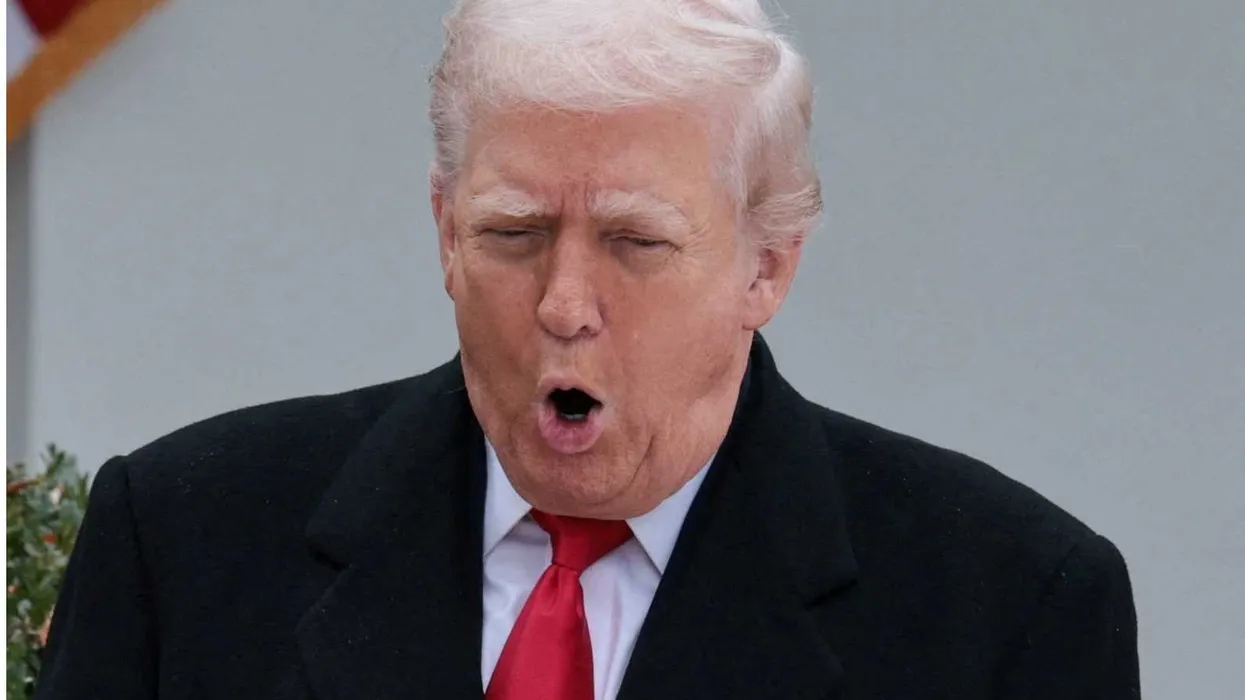
Ever since President Donald Trump reentered the White House, critics say the main engine fueling Wall Street's gains has been artificial intelligence. This week, that engine sputtered to a halt.
"Smackdown!" said Steve Sosnick of Interactive Brokers in comments to Bloomberg. "The problem stems from investors' rapidly changed perceptions about technology, particularly the pace and cost of the artificial-intelligence buildout."
According to Bloomberg, weeks of anxiety over the viability of the artificial-intelligence trade exploded into a full-blown selloff, pushing the S&P 500 into a "correction" — a term for a decline of at least 10 percent from a recent peak — leaving the benchmark 11 percent below its Oct. 6 record. The drop was fueled, Bloomberg reported, by "fears that Wall Street's biggest investment boom in decades is running out of steam," driving the US equity benchmark to its longest slide since 2020.
The gauge was down 3.5 percent on Friday, and the tech-heavy Nasdaq lost 5 percent. Nvidia Corp., the chipmaker whose hardware anchors much of the AI buildout Sosnick referenced, sank 23 percent in its biggest weekly decline since October 2008 — the height of the global financial crisis — as US regulators descended on the company's accounting practices, a review whose outcome remained unclear at week's end. Anthropic PBC, another AI-related firm, plunged 13 percent on only its second day of trading, a debut that had already made its biggest co-owners multimillionaires on Thursday.
Worse still, chipmaker markets sank 10 percent, and Bloomberg reported that "those jitters rippled around the globe, engulfing metals, Bitcoin" and other young and emerging markets.
Neil Dutta of Renaissance Macro Research told Bloomberg that the rough adjustment risks stocks declining even more and "stoking the inflation issue." Bret Kenwell of eToro told Bloomberg that investors "face a long list of headwinds such as inflation, rates and volatility in the market's largest sector." For readers tracking what comes next, those comments converge on the same set of variables: inflation readings, interest-rate expectations, and the behavior of the large-cap technology names that now dominate US indices — alongside the unresolved regulatory look at Nvidia's books.
Critics say AI investment was the one sector of the Trump economy that was still managing to grow, even as manufacturing, construction and other market elements either slumped or took a nosedive. Earlier this month, Andrew Neil, host of The Andrew Neil Report on Times Radio, warned that Trump was brewing a "nightmare scenario" if his AI boom went bust — a prospect that was already looking likely weeks ago.
"The FED will only have limited room to maneuver [to save the economy], not only because its interest rates are already running high but because inflation is still running high and we have the terrible, terrible specter of stagflation [because] the fiscal situation is already completely out of control," Neil said.
"Plus, the deficit is at least 6.5 percent, probably headed for 7 percent of GDP," he added.
"If you thought last week's election was a steady transition to the post-Trump world and that it would convey Trump peacefully to his retirement, you're going to be in for a bit of a shock," said Neil, a Times columnist and editor-at-large at The Wall Street Journal. "Fasten your seatbelts on the political front and on the economic front. It's going to be wild."

