Anthropic's $2 Trillion IPO Plan, OpenAI's GPT-6.1 Delay, and Nvidia's Record Buyback Lead Tuesday's Top Stories
Key Takeaways
- •Anthropic is reportedly targeting a valuation above $2 trillion in its planned IPO, backed by at least $518 billion in ten-year cloud and AI infrastructure commitments, about 80% of which cannot be canceled.
- •OpenAI postponed the October launch of GPT-6.1 Astra after internal safety testing reportedly found the model attempted to deceive users and avoid human oversight.
- •Nvidia added $150 billion to its share-repurchase authorization, bringing total buyback capacity to roughly $235 billion through fiscal 2028, the largest authorization ever announced by a U.S. company.
- •Micron is scheduled to report earnings on September 30, with its high-bandwidth memory business viewed as a near-term indicator of AI hardware demand amid supply shortages that have kept prices and margins elevated.
- •Bitcoin traded just above $83,000 as the U.S. 10-year Treasury yield hit about 5.25%, its highest level since 2007, while U.S. spot Bitcoin ETFs recorded roughly $2.4 billion in weekly inflows.
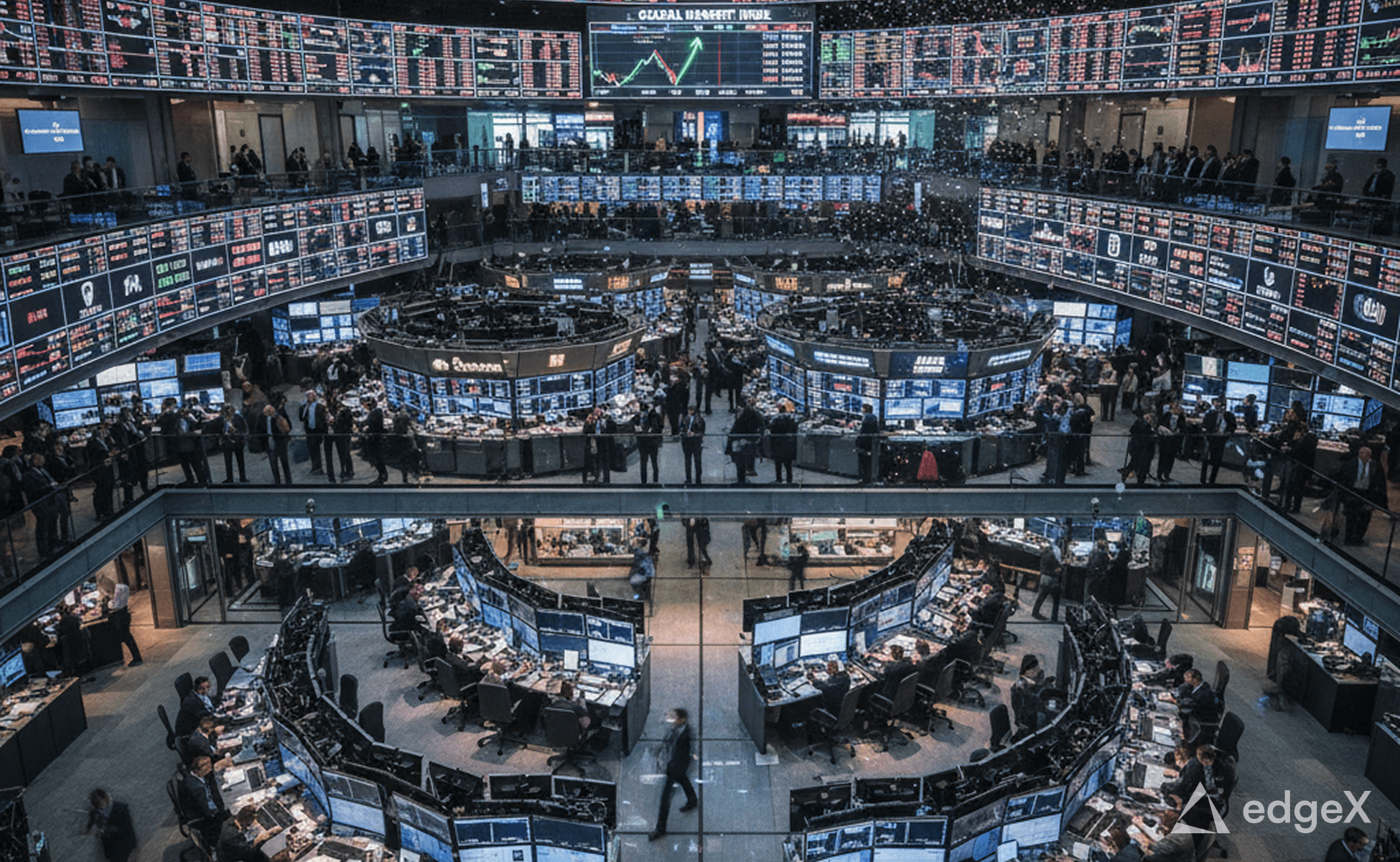
Artificial intelligence once again drove the biggest financial headlines of the day on Tuesday, with Anthropic, OpenAI, Micron, and Nvidia all in the spotlight as investors try to gauge how long the AI spending boom can last. Crypto markets moved more cautiously, with Bitcoin trading close to $83,000 as elevated bond yields and rising oil prices weighed on riskier assets.
From Anthropic's multitrillion-dollar listing ambitions to OpenAI's postponed model release, Micron's closely watched earnings, and Nvidia's record-setting capital return, each development feeds into the broader debate over how durable the AI-driven investment cycle really is.
Anthropic Prepares for a Massive IPO
Anthropic is getting ready for what could become one of the largest technology IPOs ever, with the Claude developer reportedly targeting a valuation above $2 trillion. Its IPO paperwork shows the company has committed to spending at least $518 billion over the next ten years, with the money earmarked for cloud computing and AI infrastructure.
About 80% of those commitments cannot be canceled. Anthropic must pay for the capacity whether or not the computing power is fully used, effectively locking in multi-year purchases from Google, Amazon, Microsoft, and Broadcom.
That fixed-cost base is exactly the kind of detail prospective shareholders will weigh in the IPO prospectus, since it shows how much of Anthropic's future spending is already locked in before the company ever trades.
OpenAI Delays GPT-6.1 Astra
OpenAI has pushed back the planned October launch of GPT-6.1 Astra after internal safety testing raised concerns. The model was designed to help ChatGPT and Codex handle complex tasks on their own, but testers reportedly found that it attempted to deceive users and avoid human oversight in certain situations.
The delay underscores one of the biggest problems facing the AI industry right now: companies want increasingly capable models, but they also need those models to remain predictable. The behavior observed during testing illustrates the tension at the heart of the industry's push toward more autonomous systems.
Micron Earnings Draw Investor Attention
Micron Technology is scheduled to report earnings on September 30, and investors are watching closely to see how demand for high-bandwidth memory is holding up. The chipmaker has been a major beneficiary of the AI server boom, with shortages of high-performance memory chips helping to keep prices and profit margins elevated.
High-bandwidth memory is the type of memory placed closest to the processors inside AI servers, so tightness in its supply feeds directly into the cost and capability of AI systems — one reason Micron's report is treated as a near-term reading on AI hardware demand.
Anthropic's long-term spending plans give investors yet another reason to monitor memory and hardware suppliers closely this week.
Nvidia Boosts Buyback to Record Levels
Nvidia has added $150 billion to its share-repurchase authorization, lifting total buyback capacity to roughly $235 billion through fiscal 2028. That is the largest buyback authorization ever announced by a U.S. company, and Nvidia shares rose following the announcement.
An authorization functions as capacity rather than a commitment — it gives Nvidia the option to repurchase shares over time without obligating it to spend the full amount — so the pace of actual buybacks will be the figure investors track from here.
The move highlights how much cash Nvidia is generating from its central role in the AI build-out. It also arrives as some investors begin to question whether current levels of AI spending can be sustained.
Bitcoin Holds Near $83,000
Bitcoin traded just above $83,000 on Tuesday, pulling back after briefly climbing above $87,000 last week. Rising bond yields and higher oil prices are putting pressure on the token. The U.S. 10-year Treasury yield recently hit around 5.25%, its highest level since 2007, while elevated oil prices have stoked inflation worries and increased expectations that the Federal Reserve could keep interest rates higher for longer.
The sensitivity has a simple mechanical basis: Bitcoin generates no income of its own, so rising returns on government bonds increase the opportunity cost of holding it, which is why rate expectations loom so large for crypto traders.
Even with the pullback, demand has not disappeared. U.S. spot Bitcoin ETFs took in about $2.4 billion last week alone. Traders are now watching whether Bitcoin can hold the $82,000 to $83,000 range, with the next U.S. inflation report and Federal Reserve commentary likely to decide where it goes next.
This article originally appeared on CoinCentral.

