AI Data Centres and Defence Tech Lead Investment Wave as Software Faces Tighter Scrutiny
Key Takeaways
- •Amazon, Microsoft, Google, and Meta are collectively projected to invest more than $700 billion in AI infrastructure during the current year.
- •Ofgem has proposed new fees and stricter grid connection rules for large data centres after UK capacity applications surged from 41GW to 125GW in less than a year.
- •Defence technology companies attracted a record $4.1 billion in venture capital funding rounds this year, with defence mergers and acquisitions rising 56 per cent in the first half of 2026.
- •Lockheed Martin, Airbus, and BAE Systems have each made major commitments to defence tech, including a $100 million pledge, a €500 million fund, and a €50 million venture investment respectively.
- •Investors are shifting preference toward software companies with proprietary data and deep customer integration over firms whose products could be easily replicated by AI tools.
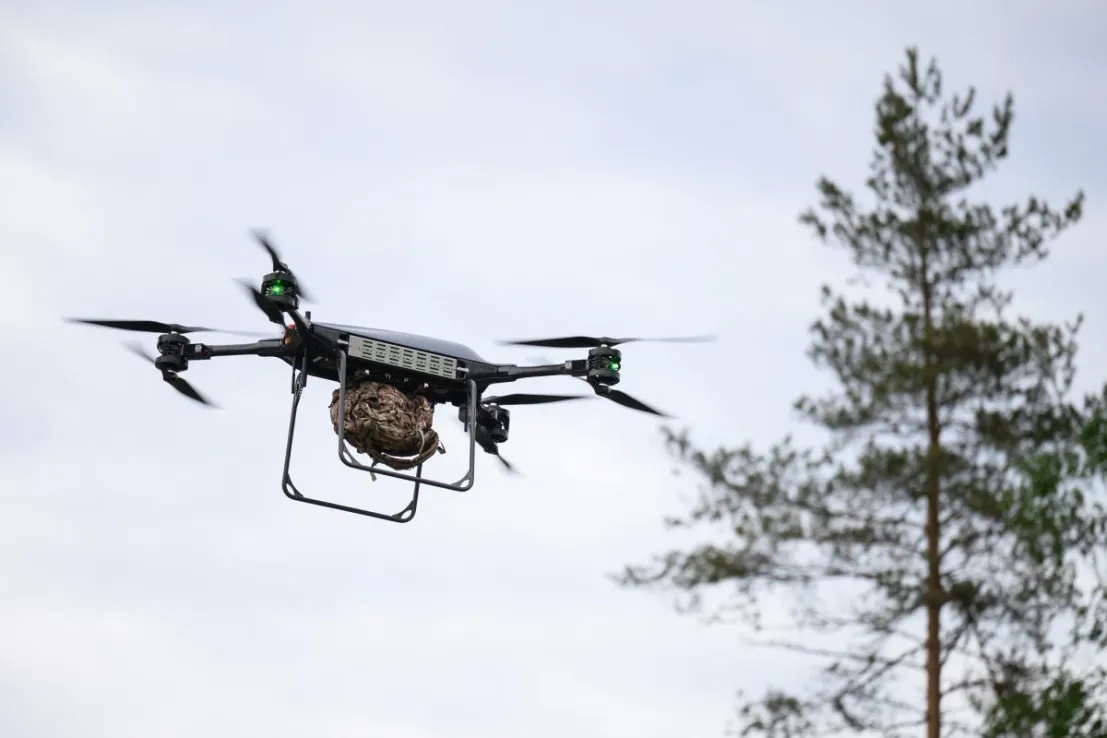
Data centres, energy infrastructure, and military technologies are attracting the bulk of technology investment capital, according to a new outlook from law firm A&O Shearman.
The report found that demand is surging for the physical infrastructure required to build and operate artificial intelligence systems, even as software companies come under heightened scrutiny over whether AI could render their products obsolete.
"There is enormous demand for the compute, data centres, semiconductors and energy infrastructure needed to support AI, alongside growing interest in defence technology, autonomous systems and quantum," said William Samengo-Turner, a partner at A&O Shearman.
Major technology companies continue to channel enormous sums into AI infrastructure. Amazon, Microsoft, Google, and Meta are collectively expected to spend more than $700 billion on AI infrastructure this year. Meanwhile, the United Kingdom is actively competing to attract new data centres and expand its domestic computing capacity, positioning itself alongside other European nations seeking to reduce reliance on US-based cloud providers.
London-based AI infrastructure firm Nscale has raised nearly $3.7 billion this year to scale its network of AI data centres. Separately, the City of London recently endorsed InvestConnect, a platform designed to connect over $3 trillion in global capital with UK infrastructure projects.
The rapid buildout is placing significant strain on Britain's electricity grid. This week, energy regulator Ofgem proposed new fees and stricter rules for large data centres seeking grid connections, following a surge in capacity applications from 41GW to 125GW in less than a year.
Matt Evans, chief operating officer and director of market programmes at techUK, told City AM that removing speculative projects from the queue was necessary, but cautioned that the proposed fees must not deter legitimate investment.
"We need a connections process that clears the queue of speculation, boosts our sovereign compute capacity and helps drive re-industrialisation rather than clearing the UK from investors' shortlists," Evans said.
Defence Technology Draws Fresh Capital
Investment in defence technology is also accelerating as governments worldwide increase military budgets and prioritise AI and autonomous systems. The trend has intensified as European NATO members push toward the alliance's 2 per cent of GDP spending target, with several countries committing to exceed it.
Research published this week showed that defence contractors including BAE Systems, Lockheed Martin, and Airbus have participated in a record $4.1 billion in venture capital funding rounds this year. Defence mergers and acquisitions rose 56 per cent in the first half of 2026.
These figures follow a series of major commitments across the sector. Lockheed Martin has pledged at least $100 million for UK and European defence tech start-ups. Airbus has backed a new €500 million defence fund, and BAE Systems has invested €50 million into two European venture funds focused on defence.
The UK government is also ramping up spending on military technology, with billions earmarked for drones, AI, and autonomous systems under its Defence Investment Plan. BAE Systems raised its earnings and cash flow guidance on Thursday following a string of contract wins, reinforcing continued demand across the sector.
Software Companies Face a Tougher Market
Samengo-Turner noted that AI is also compelling buyers to reassess how software companies are valued.
"The so-called 'SaaSpocalypse' is probably real, but it is not the end of software," he said.
Rather than paying a premium for businesses based solely on recurring subscription revenue, buyers are increasingly seeking companies with proprietary data, products deeply embedded in customers' day-to-day operations, and high switching costs that AI is unlikely to erode. The shift reflects an emerging divide in the software landscape between firms whose core capabilities are differentiated by unique datasets or deep integration with customer workflows, and those whose functionality AI tools may increasingly replicate.
Companies whose products can be easily replicated by AI are expected to face mounting pressure, while software businesses that leverage AI to enhance their offerings rather than compete against it are poised to attract the strongest investor interest.

