AI Data Center Boom Strains U.S. Power Equipment Supply to the Breaking Point
Key Takeaways
- •Wood Mackenzie estimates this year's U.S. transformer shortfall at 15% and the substation deficit at 8%.
- •A Trump executive order banning imports of Chinese bulk power equipment is expected to worsen the transformer shortage.
- •Hyundai Electric's order backlog grew 23% in the first half of the year to $8.5 billion, covering more than three years of production.
- •Data centers could absorb as much as 40% of U.S. power equipment supply over the next few years, competing with utilities for limited hardware.
- •Supply tightness in transformers, gas turbines, and cooling systems may slow the pace of the AI buildout because these products take time to manufacture.
Big Tech is wagering trillions of dollars on artificial intelligence, with a large share of that spending directed toward the data centers that will run large language models. Equity markets have priced much of this enthusiasm into Big Tech stocks, but the technology sector is not the only industry riding the AI wave. That wave ultimately runs on electricity—and on the equipment that carries it from generator to consumer.
Reports have already surfaced of a chip shortage triggered by the AI rush, along with higher overall compute prices resulting from AI-related demand growth in electronics. A more serious shortage, however, is unfolding in power equipment, as companies pledging hundreds of billions in AI investments want everything ready as quickly as possible—if possible, yesterday. It is not.
Transformers, a vital component of the grid, have been in increasingly short supply for at least two years. The shortage stems from rapid growth in electricity demand, driven mostly by the tech sector, combined with the inability to expand the grid quickly enough to match that growth. Large power transformers are among the slowest grid components to produce: they are typically built to order, rely on specialized materials such as grain-oriented electrical steel, and require skilled manufacturing labor, all of which limit how fast output can scale even when order books are full.
Transformers convert the high-voltage electricity that travels from power plants along transmission lines to substations into lower-voltage current that end consumers, including data centers, can use. According to Wood Mackenzie, this year's shortfall in transformers stands at 15%. There is also a shortage of substations, underscoring how essential power equipment has become; Wood Mackenzie estimates the substation deficit at 8%. The situation will be aggravated further by a recent executive order from President Trump banning imports of bulk power equipment from China, which removes a supplementary supply source that some U.S. buyers had turned to while domestic and allied producers were booked out.
"Outside the industry circle, people are talking about (graphics processing units), but within the circle, people most certainly question you about the lead time for generators and transformers," the chief executive of a digital infrastructure service provider told Reuters.
Reuters went on to report order books stretching years ahead for the world's biggest transformer makers. "We currently have an order backlog covering more than three years, with a substantial portion of production capacity for major power equipment secured for the coming three years," South Korea's Hyundai Electric told Reuters, noting that its order backlog rose by 23% over the first half of the year, reaching $8.5 billion.
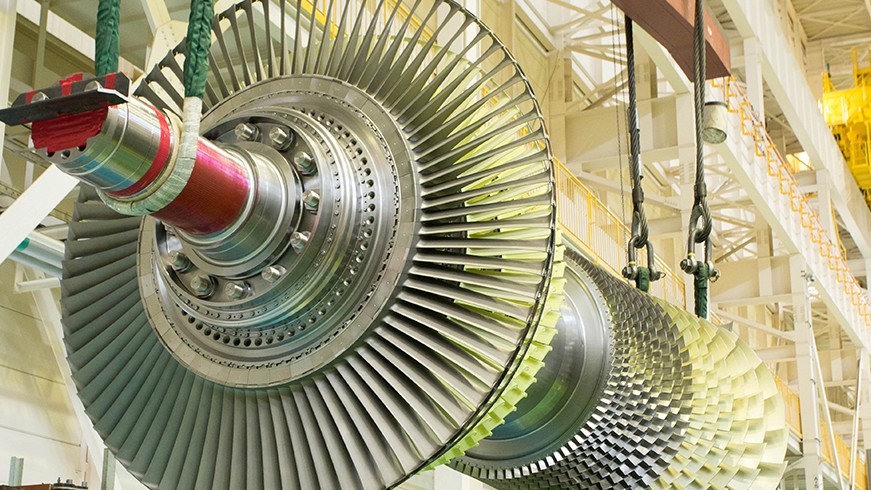
In other words, power equipment makers are benefiting from the same trends as gas turbine makers, with both driven by Big Tech's race to outdo rivals in artificial intelligence. The tightness in gas turbines and the squeeze on transformers and substations will both affect the pace of what many call the AI revolution, because gas turbines and transformers take time to manufacture. So do cooling systems.
"Power and cooling basically go hand in hand; so basically the more power you use, the more cooling you need to use because you generate heat," a senior Bank of America analyst told Reuters. According to a recent McKinsey report, cooling systems are the third industry set to enjoy a surge in demand thanks to Big Tech's AI ambitions. That surge, however, will likely produce further supply tightness, again due to physical constraints that prevent manufacturers from responding to clients as quickly as Big Tech would like.
These clients, according to Wood Mackenzie, will absorb as much as 40% of U.S. power equipment supply over the next few years. That share matters beyond the tech industry: utilities also need transformers and substations for routine grid maintenance, renewable interconnections, and electrification projects, so sustained competition from data center builders for the same limited equipment could leave other grid users waiting longer for their own hardware. The consultancy warned earlier this year that this could create a supply chain crisis, simply because the demand is urgent but the supply cannot be rushed—especially when manufacturers cannot be certain the current rate of demand will be sustained over a longer period.
By Irina Slav for Oilprice.com
